


Innovative Designs in Laparoscopic Linear Staplers for Improved Performance
Innovative Designs in Laparoscopic Linear Staplers for Improved Performance
Laparoscopic surgery has become a cornerstone of modern surgical practices, enabling minimally invasive procedures that reduce recovery times and improve patient outcomes. Among the critical tools in this domain are laparoscopic linear staplers, which play a vital role in tissue approximation and transection. Recent innova
Innovative Designs in Laparoscopic Linear Staplers for Improved Performance
Laparoscopic surgery has become a cornerstone of modern surgical practices, enabling minimally invasive procedures that reduce recovery times and improve patient outcomes. Among the critical tools in this domain are laparoscopic linear staplers, which play a vital role in tissue approximation and transection. Recent innovations in their design are set to revolutionize their performance, offering enhanced precision, reliability, and safety. This article provides an in-depth analysis of these advancements, focusing on their implications for surgical practices and patient care.
Understanding Laparoscopic Linear Staplers
Laparoscopic linear staplers are specialized surgical instruments designed to securely join tissues during minimally invasive procedures. Unlike traditional suturing methods, these staplers allow surgeons to complete complex tissue connections efficiently and accurately, significantly speeding up the surgical process. They are essential in various procedures, including gastrointestinal surgeries and thoracic operations.
The Mechanism Behind Laparoscopic Linear Staplers
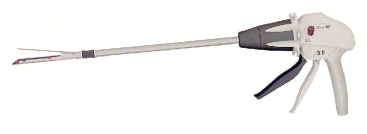
The mechanism of laparoscopic linear staplers is relatively straightforward but sophisticated. These devices consist of a firing mechanism that deploys a set of staples that simultaneously cuts and joins tissue. The design typically includes:
- A loading unit that houses the staples.
- An anvil that forms the stapled tissue.
- A cartridge that holds the cutting blade.
The interaction between these components allows for a cohesive closure of tissue layers, reducing the risk of leakage and complications post-surgery.
Benefits of Innovative Stapler Designs
Recent advancements in the design of laparoscopic linear staplers have introduced multiple benefits, including:
1. **Improved Ergonomics**: New designs focus on user comfort, minimizing hand fatigue during lengthy procedures.
2. **Enhanced Visibility**: Innovations such as integrated lighting systems provide better visualization of the surgical field, allowing for more precise placement of staples.
3. **Variable Staple Sizes**: Offering surgeons the ability to choose staple sizes tailored to specific tissue types enhances versatility and effectiveness.
Key Innovations in Laparoscopic Linear Stapler Technology
The landscape of laparoscopic linear staplers is rapidly evolving, with several groundbreaking features emerging in the latest models.
Smart Stapling Technology
One of the most significant innovations is the integration of smart technology that provides real-time feedback during surgeries. This feature helps surgeons make informed decisions about staple placement, ensuring the optimal closure of tissue. Smart staplers can monitor factors such as tissue thickness and elasticity, automatically adjusting the firing mechanism to deliver the perfect staple configuration.
Single-Use vs. Reusable Staplers
The debate between single-use and reusable staplers has been ongoing. While reusable staplers are more cost-effective in the long run, single-use designs are gaining popularity due to their reliability and reduced risk of cross-contamination. Innovative designs in single-use staplers now offer enhanced performance, making them a preferred choice in many surgical settings.
Automated Stapling Mechanisms
Automated stapling mechanisms are another leap forward, allowing for consistent and uniform staple deployment. This technology minimizes human error during surgeries, ensuring that each staple is applied correctly and securely, reducing the risk of complications.
Impact on Surgical Outcomes
The advancements in laparoscopic linear stapler designs have a profound impact on surgical outcomes. Enhanced precision, reduced operational time, and minimized patient trauma contribute to faster recovery and improved overall patient satisfaction.
Reducing Complications through Improved Design
Innovative staplers aim to reduce common complications associated with surgical procedures. By providing better tissue approximation and reducing the likelihood of leakage at staple lines, these designs help surgeons achieve better closure and diminish postoperative complications.
Patient-Centered Care and Faster Recovery
The shift towards patient-centered care is evident in the design of modern laparoscopic linear staplers. With features that promote faster recovery times and less postoperative pain, patients can return to their daily lives sooner, enhancing their overall experience.
Future Trends in Laparoscopic Stapler Designs
As technology continues to evolve, so too will the capabilities of laparoscopic linear staplers. Future trends may include:
1. **Integration with Artificial Intelligence**: AI could play a pivotal role in optimizing stapling techniques based on individual patient anatomy and surgical needs.
2. **Enhanced Imaging Technologies**: Advanced imaging could further improve visualization during procedures, allowing surgeons to operate with even greater precision.
Collaboration with Healthcare Professionals
Manufacturers are increasingly collaborating with surgeons to develop better designs that meet the practical needs of surgical teams. This collaboration ensures that innovations are user-friendly and aligned with real-world surgical practices.
Training and Implementation of New Designs
As new designs emerge, effective training programs will be essential for surgical teams. Ensuring that all operating room personnel are proficient in using the latest technologies will maximize the benefits of these innovations.
FAQs About Laparoscopic Linear Staplers
1. What are laparoscopic linear staplers used for?
Laparoscopic linear staplers are used to join tissues during minimally invasive surgeries, making them essential for various surgical procedures.
2. How do innovative designs enhance performance?
Innovative designs improve ergonomic handling, visibility, and precision during surgeries, leading to better patient outcomes.
3. Are single-use staplers better than reusable ones?
Single-use staplers offer advantages in reliability and reduced risk of contamination, but reusable staplers can be more cost-effective over time.
4. What are the common complications associated with stapling?
Common complications include leakage at staple lines and inadequate tissue approximation, which can lead to postoperative issues.
5. How is training provided for new stapler technologies?
Manufacturers often provide training programs to ensure surgical teams are proficient in the latest stapler technologies and maximize their benefits.
Conclusion
Innovative designs in laparoscopic linear staplers are reshaping the landscape of minimally invasive surgery, offering enhanced performance and improved patient outcomes. By integrating advanced technologies, ergonomic considerations, and user feedback, these tools are becoming more efficient and effective, ultimately benefiting both surgical teams and patients alike. As we look to the future, the continuous evolution of these instruments promises to further revolutionize surgical practices, making procedures safer, quicker, and more successful.
laparoscopic linear stapler

Contact
Contacts: Jenny Pan
Address: Liandong U-Valley Medical and Health Industry Park, Hefei City, Anhui Province


