


Unlocking the Potential of FDA-Approved Surgical Staplers: A Comprehensive Guide
Surgical staplers have become an indispensable tool in modern surgical practice, especially in procedures that require precise tissue approximation and secure closure. FDA surgical staplers are rigorously tested and approved by the U.S. Food and Drug Administration (FDA), ensuring their safety and efficacy in a clinical setting. Understanding the advantages, applications, and key features of these
Surgical staplers have become an indispensable tool in modern surgical practice, especially in procedures that require precise tissue approximation and secure closure. FDA surgical staplers are rigorously tested and approved by the U.S. Food and Drug Administration (FDA), ensuring their safety and efficacy in a clinical setting. Understanding the advantages, applications, and key features of these devices is crucial for healthcare professionals involved in surgical procedures.
One of the primary benefits of FDA-approved surgical staplers is their ability to facilitate faster and more efficient wound closure compared to traditional suturing methods. They provide a uniform closure across tissue layers, minimizing the risk of leakage and ensuring a tighter seal. This capability is particularly beneficial in surgeries involving internal organs, such as gastrointestinal surgeries, where maintaining tissue integrity is vital for preventing complications like infection or hemorrhage.
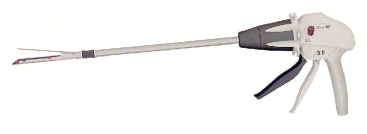
Furthermore, surgical staplers come in various designs tailored for specific surgical needs. For instance, linear staplers are commonly used for cutting and stapling through tissue, while circular staplers are ideal for anastomosis in procedures like bowel resection. Understanding the appropriate use case for each type of stapler is essential for maximizing their effectiveness in the operating room.
Another significant aspect to consider is the training and expertise required for healthcare professionals to operate these devices safely and effectively. Proper training is crucial, as incorrect usage can lead to complications, including staple line failure or tissue damage. Medical staff should be familiar with the specific models they are using, along with the manufacturer’s instructions and guidelines.
Moreover, keeping abreast of the latest innovations in surgical staplers is vital for healthcare practitioners. The field is continuously evolving, with advancements in technology leading to the development of more versatile and user-friendly staplers. For example, some newer models feature integrated cameras for enhanced visibility during procedures, while others incorporate smart technology to monitor staple deployment in real-time, ensuring optimal performance.
In conclusion, FDA surgical staplers are a cornerstone of modern surgical techniques, providing healthcare professionals with an efficient and reliable means of closing surgical wounds. By understanding their applications, benefits, and the importance of proper training, medical practitioners can leverage these devices to improve surgical outcomes and, ultimately, enhance patient care. Regularly reviewing advancements in surgical stapler technology will also contribute to better surgical practices and patient safety in the long run.
fda surgical staplers

Contact
Contacts: Jenny Pan
Address: Liandong U-Valley Medical and Health Industry Park, Hefei City, Anhui Province


