


The Versatile Role of Laparoscopic Linear Staplers in Modern Surgery
Laparoscopic linear staplers are advanced surgical instruments designed to assist surgeons in performing minimally invasive procedures. These devices function by simultaneously cutting and stapling tissue, enabling efficient closure of gastrointestinal tract organs, lungs, and other anatomical structures. Their design allows for the handling of various tissue thicknesses and types, making them ver
Laparoscopic linear staplers are advanced surgical instruments designed to assist surgeons in performing minimally invasive procedures. These devices function by simultaneously cutting and stapling tissue, enabling efficient closure of gastrointestinal tract organs, lungs, and other anatomical structures. Their design allows for the handling of various tissue thicknesses and types, making them versatile tools in surgical settings.
One of the primary advantages of laparoscopic linear staplers is that they facilitate minimally invasive procedures. Surgeons make smaller incisions, leading to reduced trauma to the patient, shorter recovery times, and less postoperative pain compared to traditional open surgeries. This is particularly beneficial for patients who require surgical intervention but wish to minimize the physical impact of the procedure on their bodies.
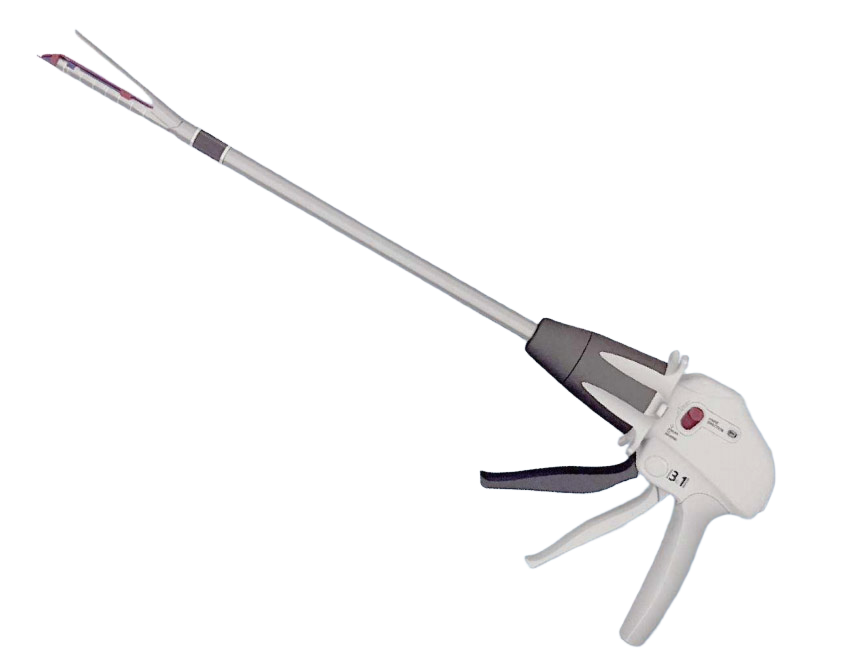
The mechanism of laparoscopic linear staplers involves a series of carefully engineered components. The device typically comprises a handle, an anvil, a cartridge, and a firing mechanism. When activated, the stapler pushes a row of staples into the tissue while simultaneously cutting through it. This dual function is crucial in providing secure closure and preventing complications such as leakage or hemorrhage from the surgical site.
In addition, laparoscopic linear staplers are designed with safety features to minimize the risk of malfunctions during surgery. Many models are equipped with mechanisms that ensure proper staple formation and tissue handling, which is vital for achieving optimal surgical outcomes. This reliability is a significant factor that enhances the confidence of surgeons when incorporating these instruments into their procedures.
The applications of laparoscopic linear staplers extend beyond general surgery. They are prominently used in bariatric surgery, where secure closure of the stomach is essential for weight loss procedures. Additionally, these staplers find use in thoracic surgery and gynecological operations, underscoring their adaptability across various surgical disciplines.
Surgeons appreciate the ergonomic design of laparoscopic linear staplers, which allows for ease of use in the confined spaces typical of laparoscopic surgery. The intuitive design supports the surgeon's hand, promoting better control and accuracy during the operation.
In summary, laparoscopic linear staplers are indispensable tools in modern surgical practice. Their ability to streamline procedures while enhancing patient outcomes makes them a preferred choice among healthcare professionals. As the field of surgery continues to evolve, the role of these innovative devices will likely expand, further improving the efficacy and safety of surgical interventions.
One of the primary advantages of laparoscopic linear staplers is that they facilitate minimally invasive procedures. Surgeons make smaller incisions, leading to reduced trauma to the patient, shorter recovery times, and less postoperative pain compared to traditional open surgeries. This is particularly beneficial for patients who require surgical intervention but wish to minimize the physical impact of the procedure on their bodies.
The mechanism of laparoscopic linear staplers involves a series of carefully engineered components. The device typically comprises a handle, an anvil, a cartridge, and a firing mechanism. When activated, the stapler pushes a row of staples into the tissue while simultaneously cutting through it. This dual function is crucial in providing secure closure and preventing complications such as leakage or hemorrhage from the surgical site.
In addition, laparoscopic linear staplers are designed with safety features to minimize the risk of malfunctions during surgery. Many models are equipped with mechanisms that ensure proper staple formation and tissue handling, which is vital for achieving optimal surgical outcomes. This reliability is a significant factor that enhances the confidence of surgeons when incorporating these instruments into their procedures.
The applications of laparoscopic linear staplers extend beyond general surgery. They are prominently used in bariatric surgery, where secure closure of the stomach is essential for weight loss procedures. Additionally, these staplers find use in thoracic surgery and gynecological operations, underscoring their adaptability across various surgical disciplines.
Surgeons appreciate the ergonomic design of laparoscopic linear staplers, which allows for ease of use in the confined spaces typical of laparoscopic surgery. The intuitive design supports the surgeon's hand, promoting better control and accuracy during the operation.
In summary, laparoscopic linear staplers are indispensable tools in modern surgical practice. Their ability to streamline procedures while enhancing patient outcomes makes them a preferred choice among healthcare professionals. As the field of surgery continues to evolve, the role of these innovative devices will likely expand, further improving the efficacy and safety of surgical interventions.
laparoscopic linear stapler
Contact
Contacts: Jenny Pan
Address: Liandong U-Valley Medical and Health Industry Park, Hefei City, Anhui Province


