


Home-use Helicobacter Pylori Detector: A New Trend in Personal Healthcare and Early Disease Prevention
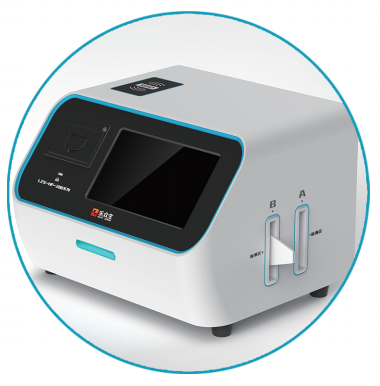
With the rapid development of home healthcare technology, the demand for convenient and reliable diagnostic tools has significantly increased. Among these innovations, home-use Helicobacter pylori detectors are gaining widespread attention as an effective solution for early detection and management of gastrointestinal health issues. These devices are designed to help individuals monitor their health from the comfort of their homes, reducing the need for frequent hospital visits.
Helicobacter pylori is a type of bacteria that infects the stomach lining and is recognized as a major cause of gastritis, peptic ulcers, and even gastric cancer. Traditionally, detecting this infection required clinical procedures such as endoscopy or laboratory-based tests. However, home-use detectors have transformed this process by offering non-invasive, easy-to-use alternatives that deliver quick and accurate results.
Most home-use Helicobacter pylori detectors utilize advanced testing methods such as the urea breath test or antigen detection technology. The urea breath test works by analyzing breath samples after the ingestion of a special solution, while antigen tests detect bacterial proteins in stool samples. Both methods are known for their high sensitivity and specificity, making them reliable options for preliminary screening.
One of the key advantages of home-use detectors is their convenience. Users can perform the test independently without professional assistance, following simple instructions provided with the device. Results are typically available within a short time, allowing individuals to take timely action if necessary. This is particularly beneficial for people with busy lifestyles or those living in remote areas with limited access to medical facilities.
In addition to convenience, privacy is another important factor driving the adoption of home-use Helicobacter pylori detectors. Many individuals prefer to manage their health discreetly, especially when dealing with gastrointestinal conditions. Home testing allows users to maintain confidentiality while still receiving accurate health information.
Technological advancements have also improved the design and functionality of these devices. Modern detectors are compact, portable, and equipped with user-friendly interfaces. Some models even feature digital displays or connectivity options that enable users to store and track their test results over time. This data can be shared with healthcare professionals for further evaluation and treatment planning.
Despite their many benefits, it is important to note that home-use Helicobacter pylori detectors are primarily intended for screening purposes. A positive result should be followed by consultation with a healthcare provider for confirmation and appropriate treatment. Antibiotic therapy and other medical interventions may be required to effectively eliminate the infection.
The growing popularity of home healthcare solutions reflects a broader shift toward preventive medicine and patient empowerment. By enabling early detection of Helicobacter pylori infections, these devices contribute to better health outcomes and reduced risk of complications. They also help alleviate the burden on healthcare systems by minimizing unnecessary clinic visits.
Manufacturers are continuously improving product quality to meet increasing consumer expectations. Emphasis is placed on accuracy, safety, and compliance with international medical standards. As awareness of gastrointestinal health continues to rise, the market for home-use Helicobacter pylori detectors is expected to expand further.
In conclusion, home-use Helicobacter pylori detectors represent a significant advancement in personal healthcare technology. Their convenience, accuracy, and accessibility make them valuable tools for early diagnosis and health management. As innovation continues, these devices will play an increasingly important role in promoting proactive healthcare and improving quality of life.
Home-use Helicobacter Pylori Detector
Contact
Contacts: Jenny Pan
Address: Liandong U-Valley Medical and Health Industry Park, Hefei City, Anhui Province


