


Effective Communication Strategies for Sharing Helicobacter Pylori Test Results with Patients
Effective Communication Strategies for Sharing Helicobacter Pylori Test Results with Patients
Table of Contents
- Understanding Helicobacter Pylori: A Brief Overview
- The Importance of Communicating Test Results
- Preparing for the Patient Conversation
- Delivering the Helicobacter Pylori Test Results
- Explaining the Implications of the Results
- Addressing Common Patient Concerns
- Educating Patients on Treatment Options
- Follow-Up and Support for Patients
- Conclusion
- Frequently Asked Questions
Understanding Helicobacter Pylori: A Brief Overview
Helicobacter Pylori, commonly referred to as H. pylori, is a type of bacteria that infects the stomach lining. It is a major cause of peptic ulcers and has been linked to gastric cancer. Understanding this bacterium's role in gastrointestinal health is crucial for healthcare providers and patients alike. In this section, we will explore the prevalence, transmission, and risk factors associated with H. pylori infection.
Prevalence and Transmission
H. pylori is widespread, affecting nearly half of the global population. It is typically transmitted through contaminated food and water, as well as through direct contact with saliva or other bodily fluids. Understanding how it spreads can aid in educating patients about prevention strategies.
Risk Factors
Several factors can increase the likelihood of H. pylori infection. These include living in crowded conditions, poor sanitation, and a family history of gastric diseases. Identifying these risk factors allows for targeted education and preventive measures.
The Importance of Communicating Test Results
Effective communication is vital in healthcare. When it comes to sharing test results, especially for conditions like H. pylori infection, clear and compassionate communication can significantly impact patient outcomes. This section outlines the reasons why effective communication is essential.
Building Trust and Rapport
Establishing a trusting relationship with patients encourages open dialogue. When patients feel comfortable discussing their health, they are more likely to adhere to treatment plans and seek further medical advice when necessary.
Enhancing Patient Understanding
Clear communication ensures that patients understand their test results, potential implications, and the next steps. This understanding can reduce anxiety and empower patients to take an active role in their health management.
Preparing for the Patient Conversation
Preparation is key to delivering test results effectively. Healthcare providers should consider the following strategies to ensure a smooth conversation.
Reviewing Test Results Thoroughly
Before meeting with the patient, it is essential to review their test results thoroughly. Understanding the specifics of their H. pylori status will allow healthcare providers to answer questions accurately and confidently.
Creating a Comfortable Environment
Choosing a private and comfortable setting can help patients feel at ease when discussing sensitive health information. A calm environment fosters a more open and honest conversation.
Delivering the Helicobacter Pylori Test Results
When delivering test results, clarity and empathy are paramount. This section discusses how to communicate results effectively.
Using Clear, Simple Language
Avoiding medical jargon is crucial when discussing H. pylori test results. Instead, use clear and straightforward language that the patient can easily understand. For instance, explaining what H. pylori is and how it affects their health in simple terms can help demystify the diagnosis.
Offering Context for the Results
Providing context for the test results is essential. For example, explain the significance of a positive H. pylori test and its potential impact on the patient's health. This context aids in understanding the need for treatment.
Explaining the Implications of the Results
Once test results are delivered, discussing their implications is vital. This section outlines how to effectively explain what the results mean for the patient.
Linking Results to Symptoms
Patients often have questions about how their test results relate to their symptoms. Clarifying this connection helps them understand the rationale behind treatment recommendations.
Discussing Possible Complications
It is important to inform patients about potential complications of untreated H. pylori infections, such as ulcers or increased cancer risk. Providing this information empowers patients to make informed decisions about their health.
Addressing Common Patient Concerns
Patients may have various concerns regarding their H. pylori test results and subsequent treatment. This section provides strategies for addressing these concerns.
Managing Anxiety and Fear
Patients may feel anxious or fearful upon receiving a positive test result. Acknowledging these feelings and providing reassurance about treatment options can alleviate anxiety.
Encouraging Questions
Encouraging patients to ask questions fosters an interactive dialogue. Taking the time to address their concerns shows that their health and understanding are priorities.
Educating Patients on Treatment Options
Patients diagnosed with H. pylori will require treatment to eradicate the infection. This section discusses how to effectively educate patients on their treatment options.
Overview of Treatment Regimens
Discuss the standard treatment regimens for H. pylori, which typically include antibiotics and proton pump inhibitors. Providing a clear overview of what to expect during treatment can help patients feel more prepared.
Explaining Side Effects
Patients should be informed about possible side effects of treatments. Transparency about what to expect can help mitigate concerns and improve adherence to the treatment plan.
Follow-Up and Support for Patients
After communicating test results and initiating treatment, follow-up care is crucial. This section outlines the importance of ongoing support.
Scheduling Follow-Up Appointments
Scheduling follow-up appointments allows healthcare providers to monitor the patient's progress and make necessary adjustments to the treatment plan. This ongoing support fosters a sense of security and commitment to health.
Providing Resources and Support Systems
Providing additional resources, such as educational materials or support groups, can enhance patient understanding and engagement. Encouraging patients to reach out with questions or concerns can help them feel supported throughout their treatment journey.
Conclusion
Effectively communicating Helicobacter Pylori test results to patients is a fundamental aspect of healthcare that can significantly impact their understanding and management of their health condition. By employing strategies that prioritize clarity, empathy, and education, healthcare providers can enhance patient engagement and improve overall health outcomes. Through careful preparation, transparent communication, and ongoing support, we can foster strong relationships with patients, ensuring they feel informed and empowered in their health decisions.
Frequently Asked Questions
What is Helicobacter Pylori?
Helicobacter Pylori is a type of bacteria that infects the stomach lining and is known to cause peptic ulcers and is associated with gastric cancer.
How is H. Pylori transmitted?
H. pylori is primarily transmitted through contaminated food and water or through direct contact with an infected person's saliva or other bodily fluids.
What are the symptoms of H. Pylori infection?
Common symptoms include abdominal pain, bloating, nausea, and indigestion. However, some individuals may be asymptomatic.
How is H. Pylori diagnosed?
H. pylori can be diagnosed using various methods, including breath tests, blood tests, stool tests, and endoscopy.
What are the treatment options for H. Pylori infection?
Treatment typically involves a combination of antibiotics and proton pump inhibitors to eradicate the bacteria and reduce stomach acid.
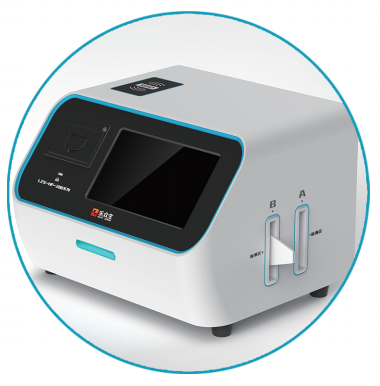
Helicobacter Pylori Detector

Contact
Contacts: Jenny Pan
Address: Liandong U-Valley Medical and Health Industry Park, Hefei City, Anhui Province


