


How to Prepare for a Helicobacter Pylori Detection Test: A Patient Guide
How to Prepare for a Helicobacter Pylori Detection Test: A Patient Guide
Helicobacter pylori (H. pylori) is a type of bacteria that can live in the stomach and is often associated with various gastrointestinal disorders, including ulcers and gastritis. Detecting this bacterium is crucial for effective treatment and management of gastrointestinal health. This guide will help you understand the preparations needed before undergoing a Helicobacter pylori detection test, ensuring you are well-informed and ready for this important step in your healthcare journey.
Understanding Helicobacter Pylori and Its Implications
H. pylori infection is a common condition that affects millions worldwide. While many individuals may be asymptomatic, others experience symptoms such as:
- Abdominal pain or discomfort
- Nausea and vomiting
- Frequent burping
- Loss of appetite
- Unexplained weight loss
Recognizing these symptoms and seeking a detection test is essential for proper diagnosis and subsequent treatment. The presence of H. pylori can lead to serious conditions, including peptic ulcers and even gastric cancer, making early detection vital.
Types of Helicobacter Pylori Detection Tests
There are several methods for detecting H. pylori, each with its advantages and drawbacks. The most common tests include:
1. Breath Test
The urea breath test involves ingesting a special substance containing urea, which H. pylori metabolizes if present. After a short waiting period, your breath is analyzed to detect any byproducts of this process.
2. Blood Test
A blood test checks for antibodies against H. pylori. While this method is less commonly used due to its inability to distinguish between active and past infections, it can still provide useful information.
3. Stool Test
The stool antigen test identifies H. pylori antigens in stool samples, providing a reliable indication of current infection status.
4. Endoscopy with Biopsy
In more complex cases, an endoscopy may be performed to obtain tissue samples from the stomach lining for further analysis. This method is typically reserved for patients with severe symptoms or complications.
Preparing for Your Helicobacter Pylori Detection Test
Proper preparation is crucial to ensure accurate results. Here is a detailed guide on how to prepare for your test, depending on the type you're undergoing.
Dietary Restrictions
Before Breath Tests
For breath tests, particularly the urea breath test, it's essential to avoid certain foods and medications:
- Do not consume antibiotics for at least four weeks before the test.
- Avoid proton pump inhibitors, such as omeprazole, for at least two weeks before the test.
- Refrain from eating or drinking anything except water for at least six hours before the test.
Before Stool Tests
For stool antigen tests, you should also avoid:
- Antibiotics for at least four weeks prior to the test.
- Bismuth-based medications (like Pepto-Bismol) for two weeks before the test.
Before Blood Tests
For blood tests, there are typically no significant dietary restrictions, though it's best to discuss with your healthcare provider.
Medications to Avoid
Before any type of test, inform your healthcare provider about any medications you are currently taking. As mentioned earlier, certain medications, especially antibiotics and proton pump inhibitors, can interfere with test results.
Communicating with Your Healthcare Provider
Always discuss your medical history and any symptoms you are experiencing with your healthcare provider. This communication can help them determine which test is most appropriate for you and tailor recommendations for preparation accordingly.
What to Expect on the Day of the Test
Understanding the process can alleviate anxiety. Here’s what you can anticipate for each test type:
Breath Test Process
You will receive instructions at the testing center. After fasting, you’ll ingest a urea solution. After waiting for a brief period, you’ll breathe into a collection bag, and the sample will be analyzed for H. pylori presence.
Blood Test Process
A healthcare professional will draw a small sample of blood, usually from your arm. The sample is then sent to a lab for analysis.
Stool Test Process
You will need to provide a stool sample, which can be done at home or at the clinic, depending on the guidelines provided by your healthcare provider.
Endoscopic Procedure
If undergoing an endoscopy, you will receive sedation to ensure comfort. A thin tube with a camera will be inserted through your mouth, allowing your doctor to view your stomach lining and take biopsies if necessary.
Post-Test Considerations
After the test, your healthcare provider will review the results with you. If H. pylori is detected, they will discuss treatment options which may include:
- Antibiotics to eradicate the bacteria
- Proton pump inhibitors to reduce stomach acid
- Antacids to alleviate symptoms
It's essential to follow the prescribed treatment regimen to effectively manage the infection and prevent complications.
Frequently Asked Questions (FAQs)
1. How common is H. pylori infection?
H. pylori infection is quite common, affecting nearly half of the world's population. Many people may not exhibit symptoms.
2. Can I eat before the test?
For breath and stool tests, fasting is required for accurate results. Blood tests typically do not require fasting.
3. How long does it take to receive the test results?
Results can vary based on the test type but usually range from a few hours to several days.
4. Is the H. pylori test painful?
The tests are generally non-invasive. Blood draws may cause minor discomfort, while endoscopy involves sedation.
5. What if my test results are positive?
A positive result indicates an active H. pylori infection, and your healthcare provider will recommend appropriate treatment options.
Conclusion
Preparing for a Helicobacter pylori detection test is crucial for obtaining accurate results and ensuring effective treatment. By following the outlined guidelines and communicating openly with your healthcare provider, you can navigate the testing process with confidence. Understanding the implications of H. pylori and the available testing methods empowers you to take control of your gastrointestinal health. Regular check-ups and awareness of symptoms are key to early detection and ongoing well-being. Remember, your health is your greatest asset—stay informed and proactive!
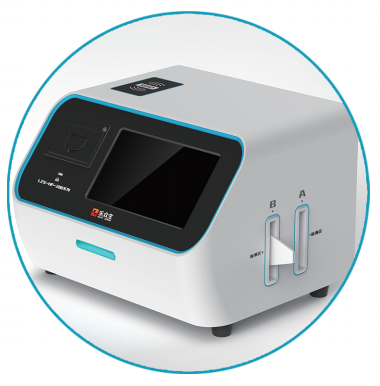
Helicobacter Pylori Detector
Contact
Contacts: Jenny Pan
Address: Liandong U-Valley Medical and Health Industry Park, Hefei City, Anhui Province


