


Understanding Laparoscopic Linear Staplers: Key Insights for Medical Professionals
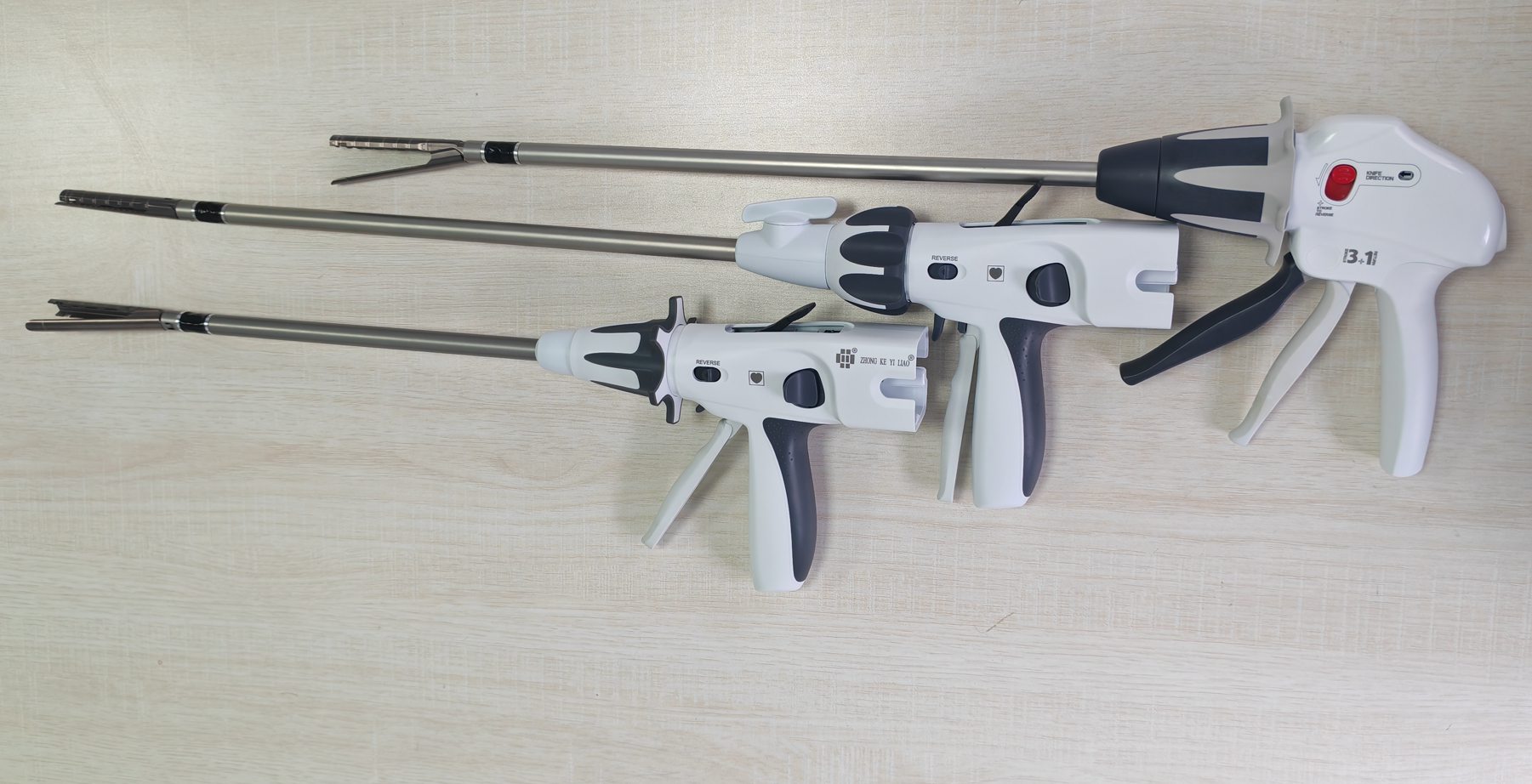
Laparoscopic linear staplers are crucial instruments in modern minimally invasive surgery, designed to enhance surgical efficiency and patient outcomes. These devices are specifically engineered to create secure, consistent, and reliable tissue closures during various surgical procedures, including gastrointestinal, thoracic, and bariatric surgeries.
The primary function of a laparoscopic linear s
Laparoscopic linear staplers are crucial instruments in modern minimally invasive surgery, designed to enhance surgical efficiency and patient outcomes. These devices are specifically engineered to create secure, consistent, and reliable tissue closures during various surgical procedures, including gastrointestinal, thoracic, and bariatric surgeries.
The primary function of a laparoscopic linear stapler is to cut and staple tissues simultaneously. This dual action minimizes the need for extensive manual suturing, which can lead to longer surgery times and increased patient recovery periods. By employing a laparoscopic approach, surgeons can access the surgical site through small incisions, thus reducing trauma to surrounding tissues and promoting quicker healing.
One of the significant benefits of using laparoscopic linear staplers is their ability to produce uniform and precise staple formations. Consistent staple placement is vital for ensuring proper tissue approximation and reducing the risk of complications such as leakage or infection. Advanced designs of these staplers often include features such as adjustable staple heights and varying staple sizes, allowing for customization based on the specific tissue type and thickness encountered during surgery.
Moreover, the construction of laparoscopic linear staplers typically involves materials that are both strong and biocompatible. This ensures that the staples remain secure within the body while minimizing any adverse reactions. The ergonomic design of these devices also facilitates ease of use for surgeons, allowing for better maneuverability and control during delicate procedures.
In addition to their practical applications, laparoscopic linear staplers contribute significantly to enhanced patient experiences. By minimizing incision sizes, patients often experience reduced post-operative pain and shorter hospital stays. This not only improves patient satisfaction but also leads to more efficient use of healthcare resources.
It is essential for medical professionals to stay updated on the latest advancements in laparoscopic linear staplers, including emerging technologies that may improve their functionality and efficacy. Ongoing education and training in the use of these devices are crucial for maintaining high standards of surgical practice and ensuring optimal patient outcomes.
In conclusion, laparoscopic linear staplers are indispensable tools in the realm of minimally invasive surgery. Understanding their design, functionality, and benefits can significantly enhance surgical practices, leading to better patient care and improved recovery times. As the medical field continues to evolve, embracing these innovations will be key to advancing surgical techniques and outcomes.
The primary function of a laparoscopic linear stapler is to cut and staple tissues simultaneously. This dual action minimizes the need for extensive manual suturing, which can lead to longer surgery times and increased patient recovery periods. By employing a laparoscopic approach, surgeons can access the surgical site through small incisions, thus reducing trauma to surrounding tissues and promoting quicker healing.
One of the significant benefits of using laparoscopic linear staplers is their ability to produce uniform and precise staple formations. Consistent staple placement is vital for ensuring proper tissue approximation and reducing the risk of complications such as leakage or infection. Advanced designs of these staplers often include features such as adjustable staple heights and varying staple sizes, allowing for customization based on the specific tissue type and thickness encountered during surgery.
Moreover, the construction of laparoscopic linear staplers typically involves materials that are both strong and biocompatible. This ensures that the staples remain secure within the body while minimizing any adverse reactions. The ergonomic design of these devices also facilitates ease of use for surgeons, allowing for better maneuverability and control during delicate procedures.
In addition to their practical applications, laparoscopic linear staplers contribute significantly to enhanced patient experiences. By minimizing incision sizes, patients often experience reduced post-operative pain and shorter hospital stays. This not only improves patient satisfaction but also leads to more efficient use of healthcare resources.
It is essential for medical professionals to stay updated on the latest advancements in laparoscopic linear staplers, including emerging technologies that may improve their functionality and efficacy. Ongoing education and training in the use of these devices are crucial for maintaining high standards of surgical practice and ensuring optimal patient outcomes.
In conclusion, laparoscopic linear staplers are indispensable tools in the realm of minimally invasive surgery. Understanding their design, functionality, and benefits can significantly enhance surgical practices, leading to better patient care and improved recovery times. As the medical field continues to evolve, embracing these innovations will be key to advancing surgical techniques and outcomes.
laparoscopic linear stapler
Pre
Contact
Contacts: Jenny Pan
Address: Liandong U-Valley Medical and Health Industry Park, Hefei City, Anhui Province


