


Understanding the Importance of Helicobacter Pylori Detection in Gastrointestinal Health
Helicobacter Pylori (H. Pylori) is a gram-negative bacterium known for its association with various gastrointestinal disorders, including peptic ulcers and chronic gastritis. The detection of this bacterium is crucial for diagnosing and managing these conditions effectively. H. Pylori detection methods have evolved over the years, and today, advanced medical technology plays a key role in ensuring accurate and reliable results for healthcare professionals.
One of the most commonly used methods for H. Pylori detection is the non-invasive urea breath test. This test measures the amount of carbon dioxide in the patient's breath after consuming a urea solution. If H. Pylori is present, the bacterium breaks down urea, producing carbon dioxide that can be detected in the breath. This method is preferred for its simplicity, comfort, and rapid results.
Another effective approach is the serological test, which detects antibodies against H. Pylori in the bloodstream. While this method can indicate exposure to the bacterium, it does not distinguish between current and past infections, making it less reliable for definitive diagnosis. Additionally, stool antigen tests are also available, which can identify H. Pylori antigens in a stool sample, making it another valuable non-invasive option for diagnosis.
For situations where more direct evidence is needed, endoscopy with biopsy remains the gold standard for H. Pylori detection. During this procedure, a healthcare professional uses an endoscope—a specialized optical instrument—to visualize the stomach lining and collect tissue samples. The samples can then be tested for the presence of H. Pylori, providing definitive results.
The role of medical optical instruments in H. Pylori detection cannot be overstated. These advanced devices not only facilitate the identification of H. Pylori but also allow for the assessment of associated mucosal damage or ulcerations. This comprehensive evaluation is essential for determining the appropriate treatment strategy for patients suffering from gastrointestinal disorders.
In conclusion, the detection of Helicobacter Pylori is an essential component of gastrointestinal health management. Understanding the various methods available, including non-invasive tests and advanced endoscopy, empowers healthcare professionals to make informed decisions in the diagnosis and treatment of related conditions. As technology continues to advance, the accuracy and efficiency of H. Pylori detection will undoubtedly improve, leading to better patient outcomes and enhanced quality of care.
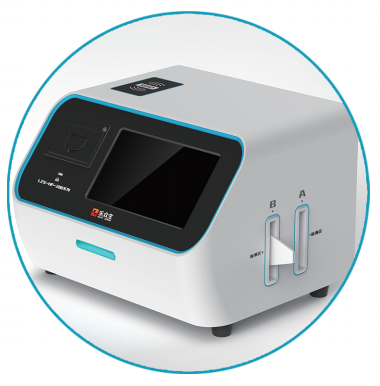
Helicobacter Pylori Detector
Contact
Contacts: Jenny Pan
Address: Liandong U-Valley Medical and Health Industry Park, Hefei City, Anhui Province


