


Surgical Stapler: Advancing Efficiency and Safety in Modern Surgical Procedures
In modern operating rooms, efficiency, precision, and patient safety are always top priorities. Among the many innovations in surgical instruments, the surgical stapler has become one of the most important tools in both open and minimally invasive procedures. It is widely used across general surgery, gastrointestinal surgery, thoracic surgery, and bariatric operations, offering a faster and more consistent alternative to traditional hand suturing.
A surgical stapler is a medical device designed to close wounds or connect tissues using sterile surgical staples. Instead of stitching tissue manually with sutures, surgeons can use a stapler to quickly and securely join internal or external tissue layers. This not only reduces operation time but also improves consistency in wound closure, which is critical in complex procedures.
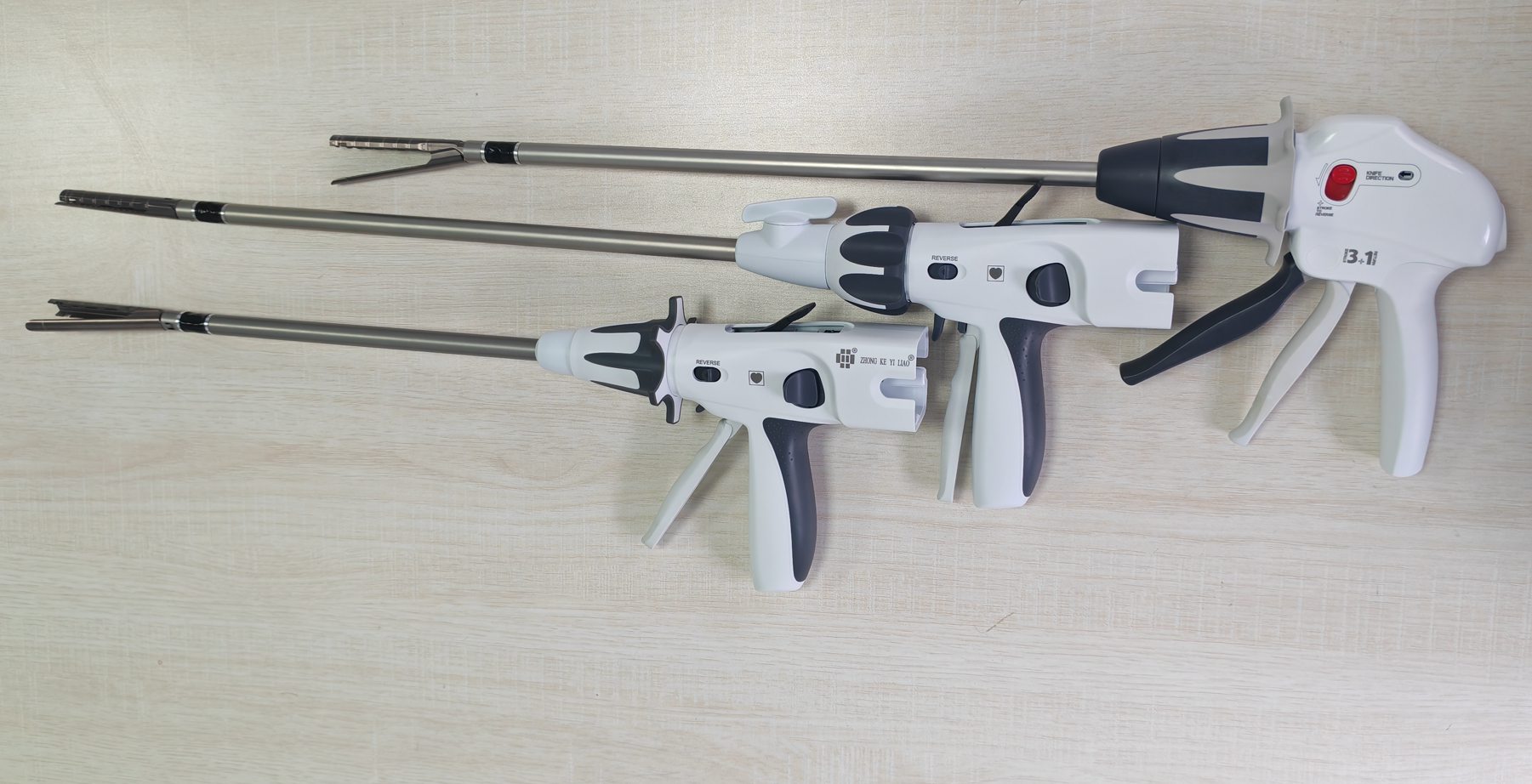
There are different types of surgical staplers, including linear staplers, circular staplers, and skin staplers. Linear staplers are commonly used for cutting and sealing tissue in straight lines, often in gastrointestinal surgeries such as stomach or bowel resections. Circular staplers are frequently used in procedures involving the digestive tract, where a circular connection between two hollow organs is required. Skin staplers, on the other hand, are used for closing external skin incisions quickly after surgery.
One of the major advantages of surgical staplers is time efficiency. In long and complex surgeries, reducing operating time is extremely important for minimizing anesthesia exposure and reducing the risk of infection. Surgical staplers allow surgeons to complete tissue closure in seconds, which would otherwise take several minutes if done manually.
Another key benefit is consistency and reliability. Human suturing can vary depending on the surgeon’s technique and fatigue level, but surgical staplers deliver uniform staple formation and spacing. This helps ensure even tension distribution along the wound, reducing the risk of leakage, bleeding, or poor healing outcomes.
Surgical staplers are also widely used in minimally invasive surgery, such as laparoscopic and endoscopic procedures. In these operations, surgeons work through small incisions using specialized instruments. Staplers designed for minimally invasive surgery are often long, slim, and ergonomically designed to operate in confined spaces. This allows complex internal procedures to be performed with less trauma to the patient, resulting in faster recovery times and shorter hospital stays.
In gastrointestinal surgery, surgical staplers are frequently used for procedures such as gastrectomy, bowel resection, and anastomosis. They help reconnect sections of the digestive tract safely and efficiently. In thoracic surgery, staplers are used for lung resections and sealing lung tissue. In bariatric surgery, they play a crucial role in procedures like gastric bypass and sleeve gastrectomy, where precise tissue division and sealing are essential.
Modern surgical staplers are designed with advanced safety features to reduce complications. Many devices include locking mechanisms to prevent accidental firing, adjustable staple height settings to accommodate different tissue thicknesses, and feedback systems that ensure proper compression before firing. These features help surgeons maintain better control during operations.
Disposable and reloadable stapler systems are both commonly used in hospitals. Disposable staplers are convenient and reduce the risk of cross-contamination, while reloadable systems are more cost-effective for facilities performing a high volume of surgeries. Both types are manufactured under strict medical standards to ensure sterility and performance reliability.
With the continuous development of surgical technology, stapling devices are becoming more advanced, incorporating better ergonomics, improved staple materials, and even digital assistance in some high-end systems. These improvements contribute to safer surgeries and better patient outcomes.
Overall, the surgical stapler has become an essential instrument in modern surgery. Its ability to improve speed, precision, and safety has transformed many surgical procedures, making operations less invasive and recovery faster for patients. As medical technology continues to evolve, surgical staplers will remain a key component in advancing surgical care worldwide.
Surgical Stapler
Contact
Contacts: Jenny Pan
Address: Liandong U-Valley Medical and Health Industry Park, Hefei City, Anhui Province


