


The Essential Role of Linear Stapling Devices in Transforming Minimally Invasive Surgery
The Essential Role of Linear Stapling Devices in Transforming Minimally Invasive Surgery
Table of Contents
Introduction to Linear Stapling Devices
What Are Linear Stapling Devices?
History and Evolution of Linear Stapling Devices
Benefits of Linear Stapling Devices in Minimally Invasive Surgery
Applications of Linear Stapling Devices in Minimally Invasive Surgery
Compariso
The Essential Role of Linear Stapling Devices in Transforming Minimally Invasive Surgery
Table of Contents
- Introduction to Linear Stapling Devices
- What Are Linear Stapling Devices?
- History and Evolution of Linear Stapling Devices
- Benefits of Linear Stapling Devices in Minimally Invasive Surgery
- Applications of Linear Stapling Devices in Minimally Invasive Surgery
- Comparison with Traditional Surgical Techniques
- Future Trends and Innovations in Linear Stapling Technology
- Frequently Asked Questions
- Conclusion
Introduction to Linear Stapling Devices
In the realm of **minimally invasive surgery (MIS)**, the use of innovative tools is crucial for enhancing surgical outcomes. One such tool that has revolutionized this field is the **linear stapling device**. These devices are designed to facilitate tissue approximation and secure closure during surgical procedures, significantly impacting patient recovery and procedural efficacy.
What Are Linear Stapling Devices?
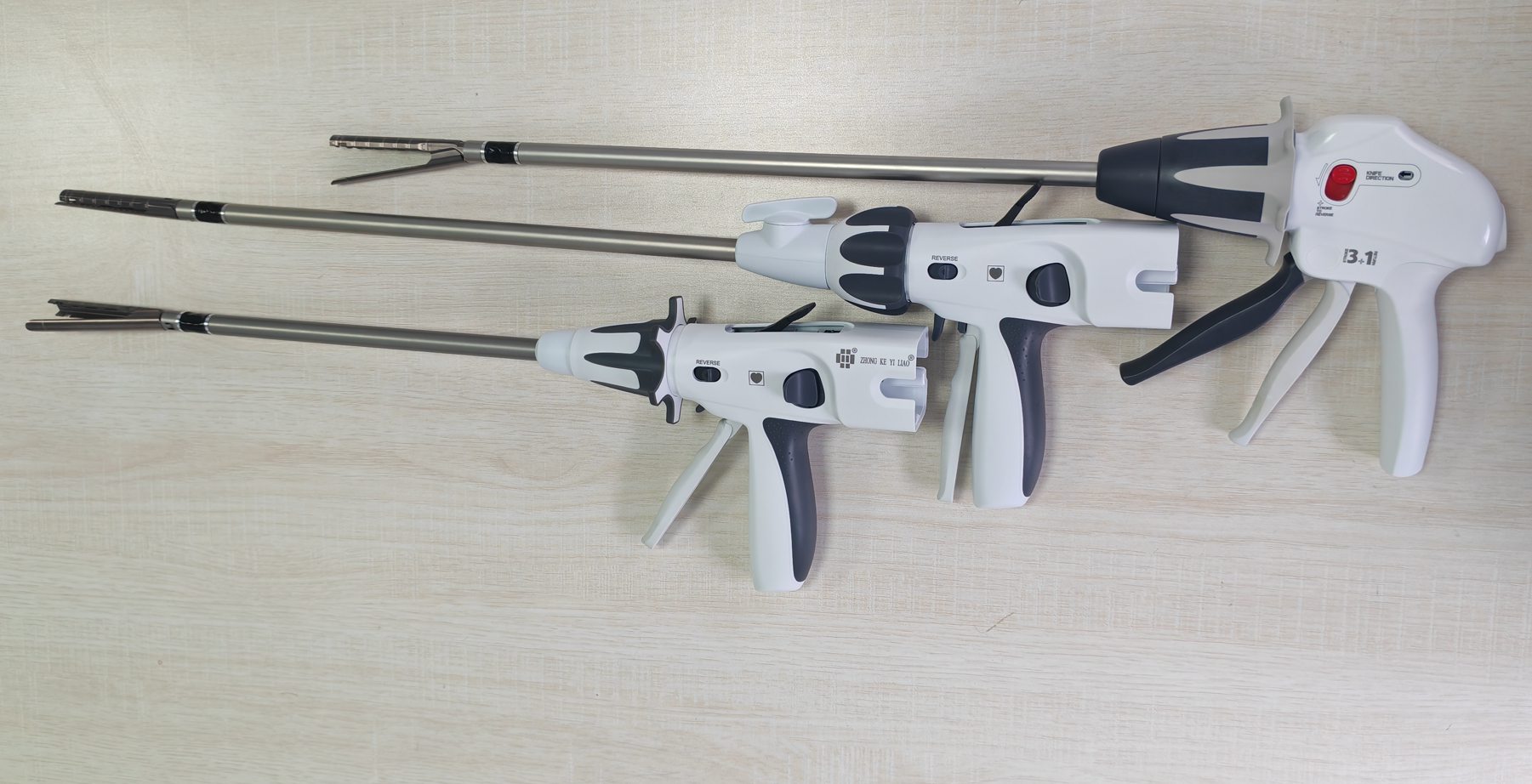
Linear stapling devices are surgical instruments that utilize a series of staples to join tissues together during surgical procedures. These devices are often employed in various surgical fields, including **gastrointestinal, thoracic, and gynecological** surgeries. The primary function of a linear stapler is to create a secure and uniform closure of tissue, which is essential for ensuring that the surgical site heals properly and minimizes complications.
Key Features of Linear Stapling Devices
- **Precision Engineering:** Linear staplers are designed with precision to ensure accurate placement of staples.
- **Variety of Staple Sizes:** These devices come with different staple sizes to accommodate various tissue thicknesses.
- **Ergonomic Design:** Many linear staplers are designed for ease of use, enhancing the surgeon's control during procedures.
History and Evolution of Linear Stapling Devices
The origins of linear stapling devices can be traced back to the early 20th century, when surgeons sought more efficient methods for tissue closure. Over the years, advancements in materials and design have led to the development of modern linear staplers that incorporate **sophisticated technology** and **ergonomic designs**.
Milestones in the Development of Stapling Technology
- **1950s:** Introduction of the first mechanical stapler for surgical use.
- **1980s:** Advancements in materials led to the creation of absorbable staples.
- **2000s:** Introduction of powered stapling devices, enhancing speed and precision.
Benefits of Linear Stapling Devices in Minimally Invasive Surgery
The use of linear stapling devices in minimally invasive surgery offers numerous benefits, contributing to their increasing popularity among surgeons.
Enhanced Precision and Control
One of the primary advantages of linear stapling devices is the **enhanced precision** they provide. Surgeons can achieve accurate tissue approximation, minimizing the risk of complications such as leaks or infections.
Reduced Recovery Time
Patients undergoing minimally invasive procedures with linear stapling devices often experience **shorter recovery times**. The precision and efficiency of these devices contribute to less tissue trauma and quicker healing.
Lower Risk of Complications
By utilizing linear staplers, surgeons can significantly reduce the risk of complications associated with traditional suturing methods, such as wound dehiscence or improper tissue alignment.
Applications of Linear Stapling Devices in Minimally Invasive Surgery
Linear stapling devices are utilized across various surgical specialties, demonstrating their versatility and effectiveness.
Gastrointestinal Surgery
In gastrointestinal surgeries, linear staplers are commonly used for procedures such as **gastrectomy** and **bariatric surgery**. They facilitate the creation of gastrointestinal anastomoses, ensuring secure connections between different segments of the digestive tract.
Thoracic Surgery
In thoracic surgery, linear staplers are employed for lung resections and other pulmonary procedures. The ability to create precise stapled closures minimizes lung tissue trauma and enhances postoperative recovery.
Gynecological Surgery
Gynecological procedures, including **hysterectomies** and **oophorectomies**, benefit from linear stapling devices that provide effective tissue approximation while minimizing invasiveness.
Comparison with Traditional Surgical Techniques
When comparing linear stapling devices with traditional suturing techniques, several critical differences emerge.
Speed of Procedure
Linear staplers allow surgeons to complete tissue closure more rapidly than traditional sutures, which can be crucial during lengthy procedures.
Consistency of Closure
The uniformity of staple placement achieved with linear staplers is often superior to manual suturing, resulting in more consistent tissue alignment and healing.
Future Trends and Innovations in Linear Stapling Technology
As technology continues to advance, the future of linear stapling devices looks promising. Innovations are set to enhance their functionality and applications further.
Integration with Robotics
The integration of linear stapling devices with robotic surgical systems is likely to revolutionize surgical procedures. This combination will provide surgeons with unparalleled precision and control during minimally invasive surgeries.
Smart Stapling Technology
Emerging smart stapling technology may include sensors that provide real-time feedback on tissue thickness and tension, allowing for even more precise staple placement.
Frequently Asked Questions
1. What are the advantages of using linear staplers over traditional sutures?
Linear staplers offer enhanced precision, reduced recovery times, and lower complication rates compared to traditional sutures.
2. In which types of surgeries are linear stapling devices most commonly used?
They are widely used in gastrointestinal, thoracic, and gynecological surgeries, among others.
3. How do linear staplers minimize the risk of complications?
By providing precise tissue approximation and uniform closure, linear staplers reduce the likelihood of complications such as leaks and infections.
4. Are linear staplers suitable for all types of tissues?
While they are versatile, the suitability of linear staplers depends on the specific procedure and tissue type. Different stapler sizes are designed for varying tissue thicknesses.
5. What advancements can we expect in the technology of linear stapling devices?
Future advancements may include robotic integration and smart stapling technology, enhancing precision and functionality.
Conclusion
Linear stapling devices play a pivotal role in the advancement of minimally invasive surgery, offering numerous benefits that significantly enhance surgical outcomes. Their ability to provide precise tissue approximation, reduce recovery times, and lower complication rates makes them an essential tool in modern surgical practices. As technology continues to evolve, the future of linear stapling devices looks bright, promising even greater innovations that will further transform the landscape of minimally invasive surgery.
linear stapling device
Contact
Contacts: Jenny Pan
Address: Liandong U-Valley Medical and Health Industry Park, Hefei City, Anhui Province


