


Best Practices for Implementing Laparoscopic Linear Staplers in Surgery
Best Practices for Implementing Laparoscopic Linear Staplers in Surgery
Table of Contents
1. Introduction to Laparoscopic Linear Staplers
2. Importance of Laparoscopic Linear Staplers in Modern Surgery
3. Design and Functionality of Laparoscopic Linear Staplers
4. Preoperative Considerations for Using Linear Staplers
5. Best Techniques for Implementing Laparoscop
Best Practices for Implementing Laparoscopic Linear Staplers in Surgery
Table of Contents
- 1. Introduction to Laparoscopic Linear Staplers
- 2. Importance of Laparoscopic Linear Staplers in Modern Surgery
- 3. Design and Functionality of Laparoscopic Linear Staplers
- 4. Preoperative Considerations for Using Linear Staplers
- 5. Best Techniques for Implementing Laparoscopic Linear Staplers
- 6. Safety Protocols When Using Laparoscopic Linear Staplers
- 7. Troubleshooting Common Issues with Staplers
- 8. The Importance of Training and Skill Development
- 9. Conclusion
- 10. Frequently Asked Questions (FAQs)
1. Introduction to Laparoscopic Linear Staplers
Laparoscopic linear staplers are indispensable tools in minimally invasive surgical procedures. Designed to provide consistent and reliable tissue approximation, these devices facilitate various surgical interventions, including resections and anastomoses. By understanding best practices for their implementation, surgical teams can significantly enhance patient outcomes.
2. Importance of Laparoscopic Linear Staplers in Modern Surgery
The utilization of laparoscopic linear staplers has revolutionized the surgical landscape. Their importance lies in several key factors:
- **Minimally Invasive Approach**: Laparoscopic procedures minimize patient trauma, leading to faster recovery times.
- **Precision and Consistency**: Linear staplers ensure precise tissue approximation, which is vital for effective healing.
- **Reduced Operative Time**: These tools streamline surgical procedures, thereby reducing the overall time spent in the operating room.
3. Design and Functionality of Laparoscopic Linear Staplers
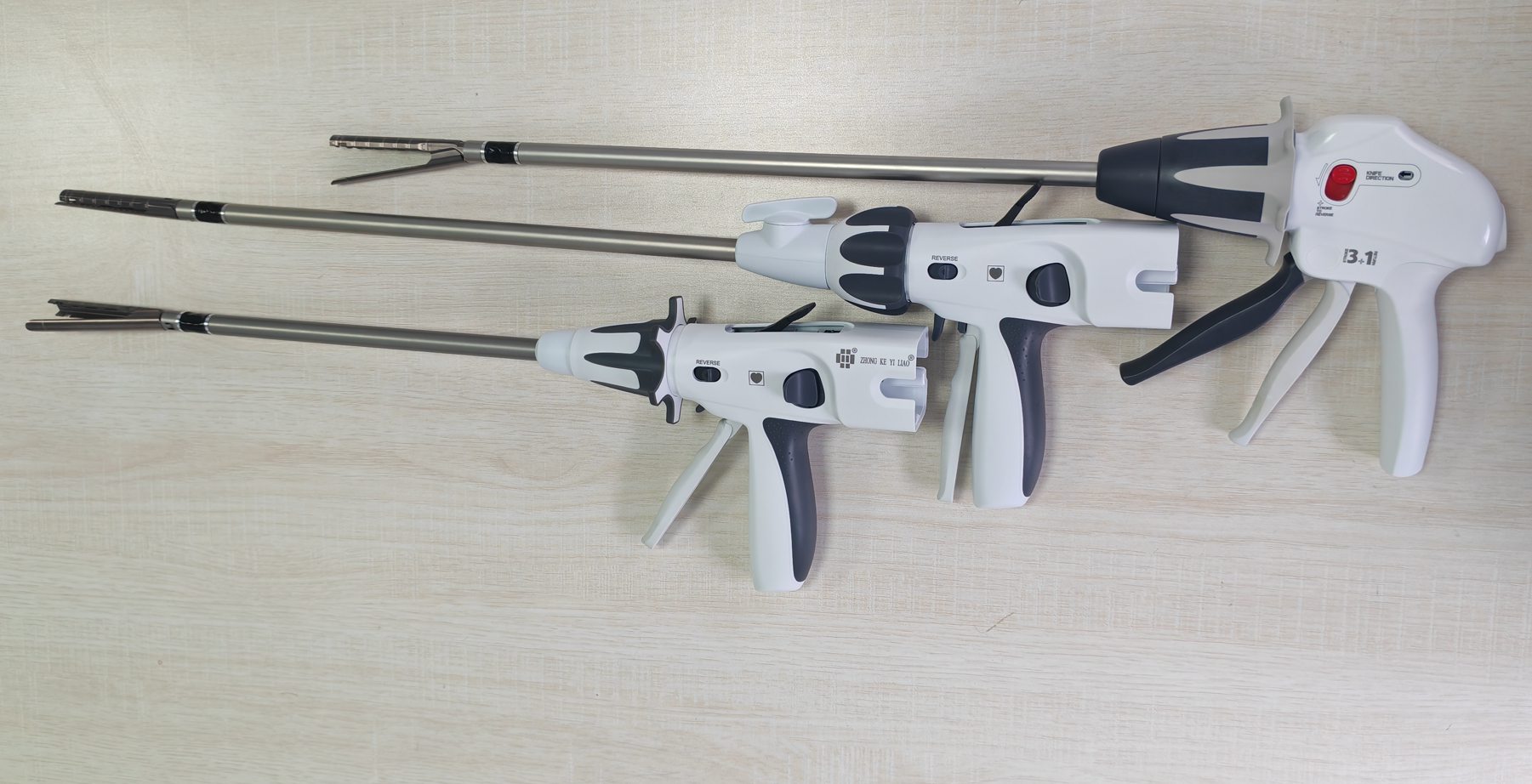
Laparoscopic linear staplers are engineered to perform under the unique conditions of minimally invasive surgery. Their design features include:
- **Ergonomic Handheld Controls**: Allowing for precise manipulation and placement.
- **Reloadable Cartridges**: Ensuring that multiple staples can be deployed without the need for changing instruments frequently.
- **Variable Staple Height**: Accommodating different tissue thicknesses, which is crucial for effective closure and healing.
4. Preoperative Considerations for Using Linear Staplers
Before employing laparoscopic linear staplers, several preoperative factors must be addressed:
- **Patient Selection**: Assessing the patient's medical conditions and compliance with surgical procedures.
- **Informed Consent**: Ensuring that the patient understands the purpose and risks associated with the use of linear staplers.
- **Surgical Team Preparedness**: All team members should be knowledgeable about the device and its proper handling.
5. Best Techniques for Implementing Laparoscopic Linear Staplers
Effective implementation of laparoscopic linear staplers requires mastery of various techniques:
- **Proper Alignment**: Ensure that the stapler is aligned correctly with the tissue to avoid misfiring or inadequate closure.
- **Consistent Compression**: Maintain adequate pressure during deployment to ensure proper staple formation.
- **Sequential Staple Deployment**: For large tissue areas, deploying staples in a sequential manner can enhance the integrity of the closure.
5.1 Positioning of the Patient
Proper patient positioning is crucial for optimal access and visibility during the use of linear staplers. The surgeon should ensure that the surgical site is unobstructed and well-lit, enabling precise manipulation of the stapler.
5.2 Handling Instrumentation
Surgeons should be adept at handling laparoscopic instruments to enhance dexterity and control when using linear staplers. Familiarity with the surgical field and adaptability to changes in the patient’s anatomy are essential skills.
6. Safety Protocols When Using Laparoscopic Linear Staplers
Ensuring patient safety during the use of laparoscopic linear staplers involves several protocols:
- **Sterilization of Instruments**: All instruments, including staplers, must be properly sterilized to prevent infection.
- **Monitoring Patient Vital Signs**: Continuous monitoring can help detect any complications early.
- **Adhering to Manufacturer Guidelines**: Following the manufacturer's recommendations for use and maintenance can prevent device failures.
7. Troubleshooting Common Issues with Staplers
Despite their advanced design, laparoscopic linear staplers may encounter issues. Here’s how to troubleshoot common problems:
- **Staple Misfire**: Assess the alignment and ensure the tissue is adequately compressed.
- **Incomplete Staple Formation**: Check for obstruction in the stapler mechanism and verify that the cartridge is properly installed.
- **Tissue Damage**: Regularly evaluate the type of tissue being stapled and adjust the staple height settings accordingly.
8. The Importance of Training and Skill Development
Training is a critical component in the effective use of laparoscopic linear staplers:
- **Simulation-Based Learning**: Utilizing simulators can help surgeons practice techniques in a risk-free environment.
- **Continuous Education**: Attending workshops and conferences can keep surgical teams updated on the latest advancements and techniques.
- **Peer Feedback**: Engaging in peer reviews and discussions can enhance skill development and address individual challenges.
9. Conclusion
In conclusion, the implementation of laparoscopic linear staplers represents a significant advancement in surgical practices. By adhering to best practices, including preoperative considerations, proper techniques, and safety protocols, surgical teams can enhance patient outcomes and reduce complications. Emphasizing training and skill development further ensures that surgeons are well-equipped to utilize these essential tools effectively.
10. Frequently Asked Questions (FAQs)
1. What are laparoscopic linear staplers used for?
Laparoscopic linear staplers are primarily used to approximate and secure tissue during minimally invasive surgical procedures, such as resections and anastomoses.
2. How do I ensure the proper use of laparoscopic linear staplers?
Proper use involves understanding the device's mechanics, adhering to safety protocols, and gaining experience through training and practice.
3. What complications can arise from using linear staplers?
Potential complications include staple misfires, incomplete staple formation, and tissue damage. Regular assessment and troubleshooting can mitigate these issues.
4. How important is training for surgical teams using linear staplers?
Training is crucial as it enhances the team's ability to use the devices effectively, improving patient safety and surgical outcomes.
5. Are there any contraindications for using laparoscopic linear staplers?
Yes, certain contraindications may exist based on the patient's anatomy and specific medical conditions. A thorough preoperative assessment is necessary to identify these.
laparoscopic linear stapler
Contact
Contacts: Jenny Pan
Address: Liandong U-Valley Medical and Health Industry Park, Hefei City, Anhui Province


