


Understanding Contour Surgical Staplers: A Comprehensive Guide for Healthcare Professionals
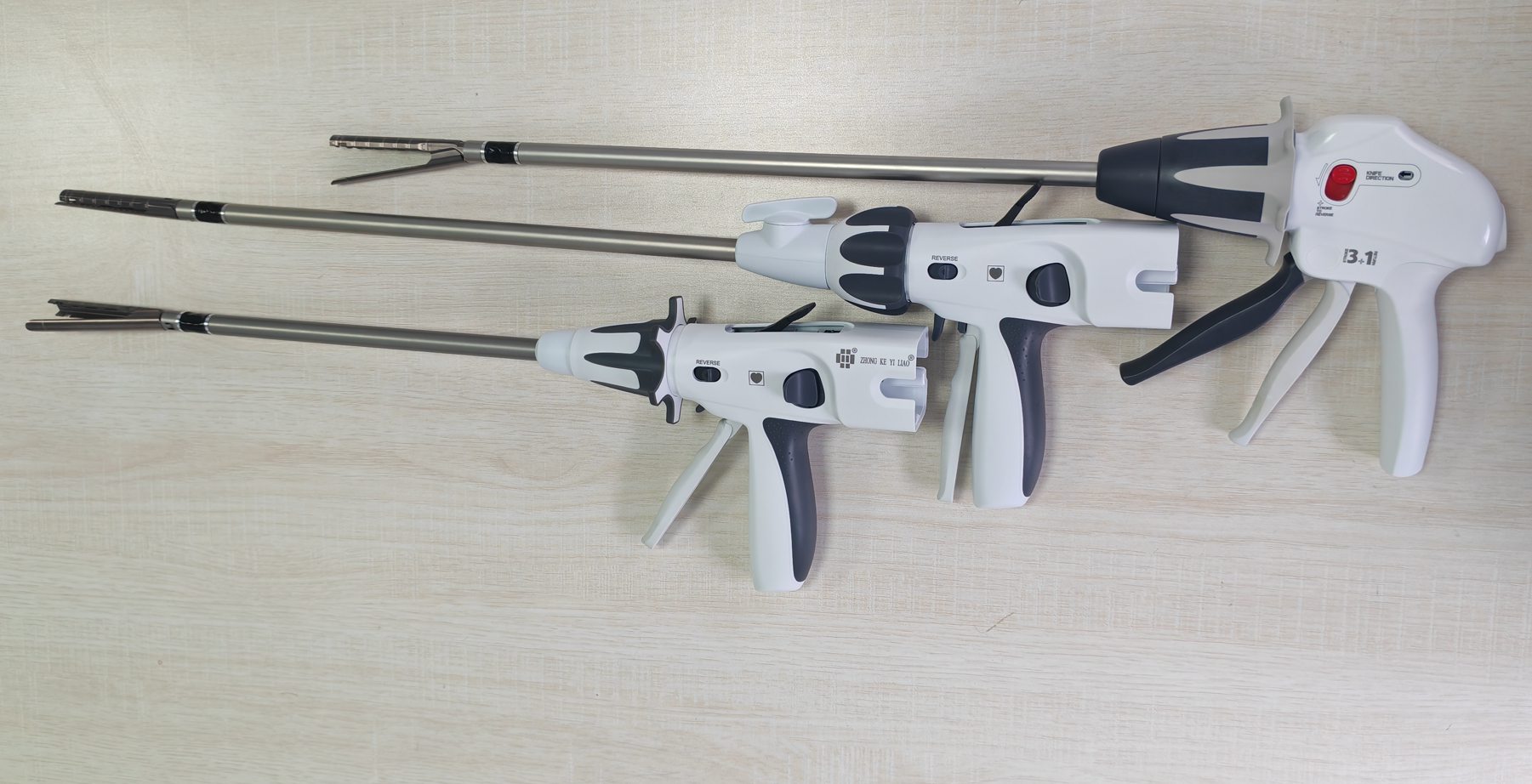
Contour surgical staplers are specialized devices utilized in various surgical procedures to securely close wounds and incisions. They are designed to provide a reliable and efficient method for tissue approximation, often used in surgeries involving the gastrointestinal tract, thoracic cavity, and other surgical specialties. These staplers can significantly reduce the time required for suturing,
Contour surgical staplers are specialized devices utilized in various surgical procedures to securely close wounds and incisions. They are designed to provide a reliable and efficient method for tissue approximation, often used in surgeries involving the gastrointestinal tract, thoracic cavity, and other surgical specialties. These staplers can significantly reduce the time required for suturing, allowing for quicker patient recovery and enhanced surgical outcomes.
One of the key advantages of contour surgical staplers is their ability to deliver consistent and uniform staple formation. This is particularly important in maintaining tissue integrity and promoting optimal healing. By using a contour surgical stapler, surgeons can achieve a secure closure while minimizing the risk of complications such as bleeding or infection, which may arise from traditional suturing methods.
Contour surgical staplers are often equipped with a variety of features that enhance their functionality. For instance, some models include a rotating head, allowing for versatile access in challenging surgical sites. This adaptability is crucial during complex procedures where precision and maneuverability are paramount. Additionally, many contour surgical staplers are designed with ergonomic handles, ensuring ease of use and reducing hand fatigue during lengthy operations.
In terms of application, contour surgical staplers are commonly used in procedures such as resections, anastomoses, and laparoscopic surgeries. Their role in minimally invasive surgery has become increasingly vital, as they facilitate quicker closures with less tissue trauma compared to traditional suturing techniques. The use of contour surgical staplers not only enhances surgical efficiency but also contributes to improved patient outcomes, such as reduced postoperative pain and shorter hospital stays.
Training and education on the proper use of contour surgical staplers are essential for healthcare professionals. Understanding the intricacies of the device, including how to select the right stapler for specific procedures, is crucial for maximizing its benefits. Familiarization with the device's operation, maintenance, and troubleshooting can further ensure safety and effectiveness in clinical settings.
As the medical field continues to advance, contour surgical staplers are likely to evolve as well, incorporating new technologies that enhance their performance and functionality. Staying updated with the latest developments in surgical stapling technology will empower healthcare professionals to utilize these tools effectively, ultimately leading to better patient care.
In summary, contour surgical staplers play a vital role in modern surgical practices, offering an efficient, reliable, and versatile solution for wound closure. Understanding their benefits, applications, and operational techniques is essential for healthcare professionals aiming to optimize surgical outcomes and enhance patient care.
One of the key advantages of contour surgical staplers is their ability to deliver consistent and uniform staple formation. This is particularly important in maintaining tissue integrity and promoting optimal healing. By using a contour surgical stapler, surgeons can achieve a secure closure while minimizing the risk of complications such as bleeding or infection, which may arise from traditional suturing methods.
Contour surgical staplers are often equipped with a variety of features that enhance their functionality. For instance, some models include a rotating head, allowing for versatile access in challenging surgical sites. This adaptability is crucial during complex procedures where precision and maneuverability are paramount. Additionally, many contour surgical staplers are designed with ergonomic handles, ensuring ease of use and reducing hand fatigue during lengthy operations.
In terms of application, contour surgical staplers are commonly used in procedures such as resections, anastomoses, and laparoscopic surgeries. Their role in minimally invasive surgery has become increasingly vital, as they facilitate quicker closures with less tissue trauma compared to traditional suturing techniques. The use of contour surgical staplers not only enhances surgical efficiency but also contributes to improved patient outcomes, such as reduced postoperative pain and shorter hospital stays.
Training and education on the proper use of contour surgical staplers are essential for healthcare professionals. Understanding the intricacies of the device, including how to select the right stapler for specific procedures, is crucial for maximizing its benefits. Familiarization with the device's operation, maintenance, and troubleshooting can further ensure safety and effectiveness in clinical settings.
As the medical field continues to advance, contour surgical staplers are likely to evolve as well, incorporating new technologies that enhance their performance and functionality. Staying updated with the latest developments in surgical stapling technology will empower healthcare professionals to utilize these tools effectively, ultimately leading to better patient care.
In summary, contour surgical staplers play a vital role in modern surgical practices, offering an efficient, reliable, and versatile solution for wound closure. Understanding their benefits, applications, and operational techniques is essential for healthcare professionals aiming to optimize surgical outcomes and enhance patient care.
contour surgical stapler
Contact
Contacts: Jenny Pan
Address: Liandong U-Valley Medical and Health Industry Park, Hefei City, Anhui Province


