


Advancements in Helicobacter Pylori Detection: Essential Insights for Medical Professionals
Helicobacter Pylori, a gram-negative bacterium, is a significant contributor to various gastrointestinal disorders, including peptic ulcers and gastric cancer. Accurate detection of this pathogen is crucial for effective treatment and management. In the realm of diagnostic and monitoring devices, Helicobacter Pylori detectors have evolved significantly, providing healthcare professionals with adva
Helicobacter Pylori, a gram-negative bacterium, is a significant contributor to various gastrointestinal disorders, including peptic ulcers and gastric cancer. Accurate detection of this pathogen is crucial for effective treatment and management. In the realm of diagnostic and monitoring devices, Helicobacter Pylori detectors have evolved significantly, providing healthcare professionals with advanced tools for identification.
Modern Helicobacter Pylori detectors utilize various diagnostic methods, including non-invasive tests such as breath tests, serology, and stool antigen tests, as well as invasive procedures like endoscopy combined with biopsy. Among these, breath tests have gained considerable attention due to their simplicity and high specificity. They work by measuring the presence of carbon isotopes in the patient's breath after ingestion of a specific substrate, which is metabolized by the bacteria. The ability to provide rapid results makes breath tests particularly valuable in clinical settings.
In addition to breath tests, serological assays remain a staple for detecting Helicobacter Pylori antibodies in the blood. While these tests can indicate past infections, their limitations in discerning active infections have led to a shift towards more reliable methods. On the other hand, stool antigen tests offer a non-invasive alternative with direct evidence of active infection, making them increasingly popular in routine screenings.
The integration of advanced optical technologies into the diagnostic process has further enhanced the accuracy of Helicobacter Pylori detection. For instance, endoscopic systems equipped with high-definition imaging and advanced light sources allow for detailed visualization of gastric mucosa during biopsy procedures. This not only facilitates precise sampling but also aids in the assessment of potential complications related to infections.
Furthermore, the development of portable diagnostic devices has revolutionized the accessibility of Helicobacter Pylori testing. These handheld devices can deliver rapid results, allowing for immediate clinical decision-making, particularly in outpatient settings or under-resourced environments. The portability and convenience of these detectors enable healthcare providers to conduct screenings in diverse locations, broadening patient outreach.
As the field of medical diagnostics continues to evolve, keeping abreast of the latest advancements in Helicobacter Pylori detection is paramount for healthcare professionals. Understanding the strengths and limitations of different detection methods will enable practitioners to choose the most appropriate testing strategy for their patients, ultimately leading to improved health outcomes.
In conclusion, Helicobacter Pylori detectors play a pivotal role in the timely identification and management of gastrointestinal diseases. With ongoing innovations in diagnostic technologies, healthcare providers are better equipped to tackle the challenges posed by this prevalent pathogen, ensuring effective patient care and treatment strategies.
Modern Helicobacter Pylori detectors utilize various diagnostic methods, including non-invasive tests such as breath tests, serology, and stool antigen tests, as well as invasive procedures like endoscopy combined with biopsy. Among these, breath tests have gained considerable attention due to their simplicity and high specificity. They work by measuring the presence of carbon isotopes in the patient's breath after ingestion of a specific substrate, which is metabolized by the bacteria. The ability to provide rapid results makes breath tests particularly valuable in clinical settings.
In addition to breath tests, serological assays remain a staple for detecting Helicobacter Pylori antibodies in the blood. While these tests can indicate past infections, their limitations in discerning active infections have led to a shift towards more reliable methods. On the other hand, stool antigen tests offer a non-invasive alternative with direct evidence of active infection, making them increasingly popular in routine screenings.
The integration of advanced optical technologies into the diagnostic process has further enhanced the accuracy of Helicobacter Pylori detection. For instance, endoscopic systems equipped with high-definition imaging and advanced light sources allow for detailed visualization of gastric mucosa during biopsy procedures. This not only facilitates precise sampling but also aids in the assessment of potential complications related to infections.
Furthermore, the development of portable diagnostic devices has revolutionized the accessibility of Helicobacter Pylori testing. These handheld devices can deliver rapid results, allowing for immediate clinical decision-making, particularly in outpatient settings or under-resourced environments. The portability and convenience of these detectors enable healthcare providers to conduct screenings in diverse locations, broadening patient outreach.
As the field of medical diagnostics continues to evolve, keeping abreast of the latest advancements in Helicobacter Pylori detection is paramount for healthcare professionals. Understanding the strengths and limitations of different detection methods will enable practitioners to choose the most appropriate testing strategy for their patients, ultimately leading to improved health outcomes.
In conclusion, Helicobacter Pylori detectors play a pivotal role in the timely identification and management of gastrointestinal diseases. With ongoing innovations in diagnostic technologies, healthcare providers are better equipped to tackle the challenges posed by this prevalent pathogen, ensuring effective patient care and treatment strategies.
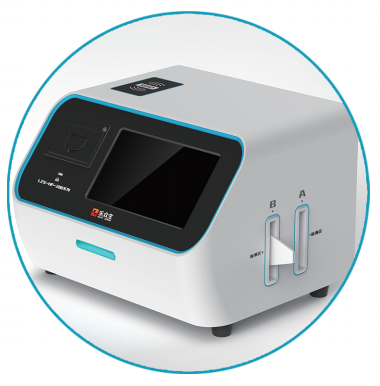
Helicobacter Pylori Detector
Contact
Contacts: Jenny Pan
Address: Liandong U-Valley Medical and Health Industry Park, Hefei City, Anhui Province


