


Understanding the Benefits of Using FDA Surgical Staplers in Hospital Settings
Understanding the Benefits of Using FDA Surgical Staplers in Hospital Settings
Table of Contents
Introduction to FDA Surgical Staplers
What Are Surgical Staplers?
Types of Surgical Staplers Used in Hospitals
Key Benefits of Using FDA Surgical Staplers
Enhanced Precision and Control
Faster Surgical Time and Recovery
Reduced Infection Risk
Cost-Effectiveness for
Understanding the Benefits of Using FDA Surgical Staplers in Hospital Settings
Table of Contents
- Introduction to FDA Surgical Staplers
- What Are Surgical Staplers?
- Types of Surgical Staplers Used in Hospitals
- Key Benefits of Using FDA Surgical Staplers
- Enhanced Precision and Control
- Faster Surgical Time and Recovery
- Reduced Infection Risk
- Cost-Effectiveness for Healthcare Providers
- Applications of Surgical Staplers in Medical Procedures
- Safety Regulations and Standards: The FDA's Role
- Challenges and Considerations When Using Surgical Staplers
- The Future of Surgical Stapling Technology
- Conclusion
- Frequently Asked Questions
Introduction to FDA Surgical Staplers
In the realm of surgical procedures, precision and efficiency are paramount. **FDA surgical staplers** have emerged as essential instruments in modern surgical practice, widely utilized across various medical specialties. This article aims to provide an in-depth exploration of the benefits associated with FDA-approved surgical staplers, focusing on their role in enhancing surgical outcomes in hospital settings.
What Are Surgical Staplers?
**Surgical staplers** are mechanical devices designed to streamline the process of suturing tissues during surgical procedures. Unlike traditional sutures, which require manual tying of knots, surgical staplers rapidly and securely fasten tissue using metal or polymer staples. Their ability to create consistent, secure closures minimizes the variability associated with hand suturing techniques.
Types of Surgical Staplers Used in Hospitals
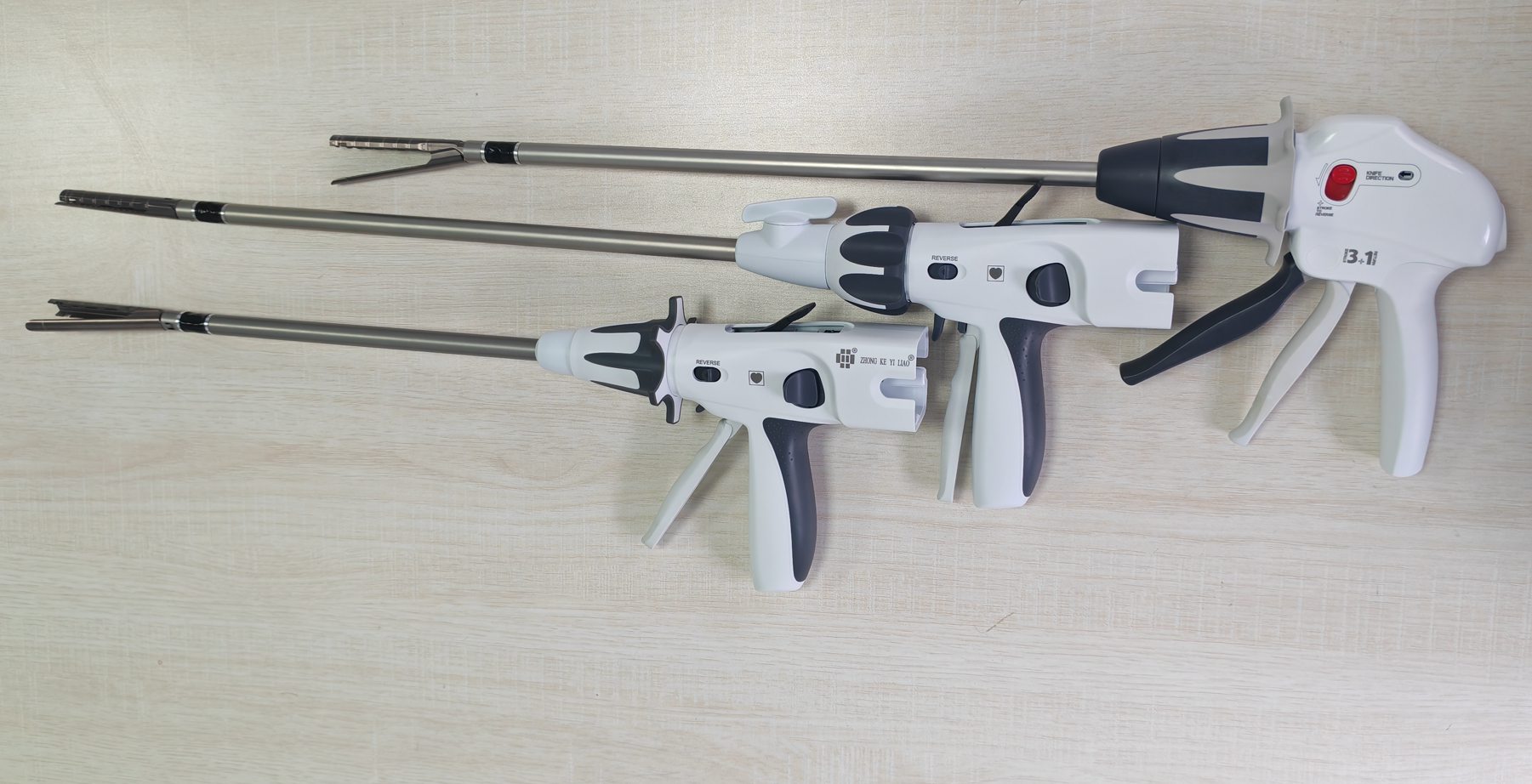
Understanding the various types of surgical staplers is crucial for appreciating their specific applications and benefits. There are two primary categories of surgical staplers:
1. Manual Surgical Staplers
Manual surgical staplers require the surgeon to apply pressure to activate the device, making them ideal for a variety of procedures. They are often used in minimally invasive surgeries due to their simplicity and effectiveness.
2. Powered Surgical Staplers
Powered surgical staplers utilize electric or mechanical power to fire staples, ensuring precise placement and consistent performance. These devices are particularly advantageous in complex surgeries where speed and accuracy are critical.
Key Benefits of Using FDA Surgical Staplers
Enhanced Precision and Control
One of the most significant benefits of using FDA surgical staplers is the **enhanced precision** they offer. These staplers are engineered to provide consistent staple formation, reducing the risk of complications associated with uneven or improper closures. This level of precision is particularly crucial in delicate procedures, such as cardiovascular or neurosurgery, where even minor errors can have serious repercussions.
Faster Surgical Time and Recovery
Time is of the essence in surgery, and FDA surgical staplers can significantly reduce the duration of surgical procedures. By facilitating quicker closures, these staplers help surgeons save time, which can lead to shorter anesthesia exposure for patients and ultimately result in faster recovery times. This efficiency not only benefits patients but also optimizes operating room utilization—an essential factor in hospital settings.
Reduced Infection Risk
Infection is a major concern in surgical procedures, and the use of surgical staplers can help mitigate this risk. The rapid closure provided by staplers limits the time that tissues are exposed to potential contaminants, thereby lowering the likelihood of postoperative infections. Furthermore, many FDA-approved staplers come with built-in antimicrobial properties, further enhancing their safety profile.
Cost-Effectiveness for Healthcare Providers
The incorporation of FDA surgical staplers can lead to significant cost savings for healthcare providers. While the initial investment in these devices may be higher than traditional sutures, the reductions in surgical time, hospital stays, and infection rates translate to lower overall treatment costs for patients. Additionally, faster patient recovery means increased turnover in surgical suites, maximizing the use of hospital resources.
Applications of Surgical Staplers in Medical Procedures
Surgical staplers are versatile tools utilized in numerous medical procedures. Their applications span across various disciplines, including:
1. General Surgery
In general surgery, staplers are commonly used for gastrointestinal procedures such as gastric bypass and colectomy, where secure closure of the gastrointestinal tract is vital for patient safety.
2. Cardiothoracic Surgery
In cardiothoracic surgery, staplers assist in closing incisions in the heart and chest, ensuring precise closure that minimizes trauma and promotes faster healing.
3. Obstetrics and Gynecology
In OB/GYN procedures, such as cesarean sections and hysterectomies, surgical staplers play a crucial role in safely closing uterine and abdominal incisions, enhancing patient outcomes.
4. Orthopedic Surgery
In orthopedic procedures, staplers are utilized to close incisions after joint replacements and fracture repairs, providing secure closures that support healing.
Safety Regulations and Standards: The FDA's Role
The FDA plays a pivotal role in ensuring the safety and effectiveness of surgical staplers. Before receiving approval, these devices undergo rigorous testing to evaluate their performance, biocompatibility, and safety. **FDA regulations** require that surgical staplers meet stringent standards, providing healthcare providers with the assurance that they are using reliable and effective tools in their practices.
Challenges and Considerations When Using Surgical Staplers
Despite their numerous benefits, there are challenges and considerations that healthcare professionals must be aware of when using surgical staplers:
1. Learning Curve
Surgeons and medical staff require proper training to effectively use surgical staplers. Familiarity with the device is essential to avoid complications during surgery.
2. Device Malfunction
Though rare, surgical stapler malfunctions can occur. Regular maintenance and adherence to manufacturer guidelines are crucial to minimize risks associated with device failure.
3. Patient-Specific Factors
The choice between staplers and sutures may depend on patient-specific factors, including wound healing capacity and the nature of the surgical procedure. Surgeons must evaluate each case individually to determine the best closure method.
The Future of Surgical Stapling Technology
The landscape of surgical stapling technology is continuously evolving. Innovations are underway to develop staplers that provide even greater precision, adaptability, and safety. Future advancements may include:
1. Smart Staplers
The integration of technology into surgical staplers could lead to the development of smart staplers equipped with sensors that provide real-time feedback on tissue tension and staple placement.
2. Biodegradable Staplers
Research into **biodegradable stapling materials** is progressing, which could reduce the long-term presence of foreign materials in the body and enhance patient recovery experiences.
3. Enhanced Training Systems
Virtual reality and simulation-based training systems may become more widely adopted, allowing surgeons to practice using surgical staplers in a risk-free environment.
Conclusion
The integration of **FDA surgical staplers** into hospital settings represents a significant advancement in surgical techniques. With their ability to provide enhanced precision, reduce surgical time, and lower infection risks, these devices have become indispensable tools for healthcare providers. As technology continues to evolve, the future of surgical stapling looks promising, paving the way for even greater improvements in patient outcomes and surgical efficiency.
Frequently Asked Questions
1. What is the primary advantage of using surgical staplers over traditional sutures?
The primary advantage lies in their ability to provide faster closure, enhanced precision, and reduced risk of infection, all of which contribute to improved patient outcomes.
2. Are FDA surgical staplers safe for all types of surgeries?
While FDA surgical staplers are considered safe and effective for many procedures, the choice between staplers and sutures should be tailored to individual patient needs and the specific surgical context.
3. How does the FDA ensure the safety of surgical staplers?
The FDA requires surgical staplers to undergo rigorous testing and evaluation before approval, ensuring they meet stringent safety and performance standards.
4. What challenges might surgeons face when using surgical staplers?
Challenges include a learning curve for proper use, potential device malfunction, and the need for individualized assessment of each patient's surgical situation.
5. What advancements can we expect in surgical stapling technology?
Future advancements may include smart stapling technology, biodegradable materials, and enhanced training systems using virtual simulations to improve surgeon proficiency.
This comprehensive exploration of FDA surgical staplers highlights their critical role in modern healthcare settings, emphasizing the importance of innovation in enhancing surgical practices.
fda surgical staplers
Contact
Contacts: Jenny Pan
Address: Liandong U-Valley Medical and Health Industry Park, Hefei City, Anhui Province


