


What Makes Breath Test Kits Ideal for Helicobacter Pylori Detection?
What Makes Breath Test Kits Ideal for Helicobacter Pylori Detection?
Understanding Helicobacter Pylori and Its Health Implications
Helicobacter pylori (H. pylori) is a type of bacteria that can infect the stomach lining, leading to various health issues such as gastritis, peptic ulcers, and even stomach cancer. It is estimated that nearly half of the global population carries this bacterium, yet m
What Makes Breath Test Kits Ideal for Helicobacter Pylori Detection?
Understanding Helicobacter Pylori and Its Health Implications
Helicobacter pylori (H. pylori) is a type of bacteria that can infect the stomach lining, leading to various health issues such as gastritis, peptic ulcers, and even stomach cancer. It is estimated that nearly half of the global population carries this bacterium, yet many remain unaware due to a lack of symptoms. Understanding the implications of H. pylori infection is crucial, as it not only affects digestive health but can also influence overall well-being.
The Importance of Accurate Detection Methods
Timely and accurate detection of H. pylori is essential to prevent potential complications. Traditional diagnostic methods, including endoscopy and biopsy, can be invasive and uncomfortable. Therefore, non-invasive alternatives, such as breath tests, have gained popularity in recent years. These tests are not only easier to administer but also provide rapid results that can aid in prompt treatment.
What Are Breath Test Kits?
Breath test kits are non-invasive diagnostic tools designed to detect the presence of H. pylori in the stomach. The test typically involves the patient ingesting a specific substrate, usually urea, which is labeled with a carbon isotope. If H. pylori is present, it will metabolize the urea, producing carbon dioxide that can be measured in the patient's breath samples.
How Do Breath Tests Work?
The mechanism behind breath tests for H. pylori detection is relatively simple yet effective. After consuming the labeled urea, the following process occurs:
1. **Ingestion of Urea**: The patient swallows a urea solution that contains a carbon isotope (either carbon-13 or carbon-14).
2. **Metabolism by H. Pylori**: If H. pylori is present in the stomach, the bacteria will metabolize the urea, producing carbon dioxide and ammonia.
3. **Exhalation of Carbon Dioxide**: The carbon dioxide produced travels through the bloodstream to the lungs, where it is exhaled.
4. **Measurement**: A breath sample is collected and analyzed to measure the levels of the carbon isotope, indicating the presence of H. pylori.
Advantages of Breath Test Kits for H. Pylori Detection
Breath test kits offer multiple advantages over traditional diagnostic methods, making them an ideal choice for H. pylori detection.
Non-Invasiveness
Breath tests are completely non-invasive, requiring no needles, endoscopies, or biopsies. This makes them a more comfortable option for patients, particularly for those who may feel anxious about invasive procedures.
High Accuracy and Reliability
Research has shown that breath tests for H. pylori detection boast high sensitivity and specificity rates. These tests can accurately identify the presence of the bacterium, allowing for effective treatment and management of associated gastrointestinal conditions.
Rapid Results
One of the most significant advantages of breath test kits is the speed at which results can be obtained. Most tests deliver results within a few hours, enabling healthcare providers to initiate treatment promptly if H. pylori is detected.
Ease of Use
Breath tests are straightforward and easy to administer, making them an attractive option for healthcare providers. Patients can often perform the test in a clinical setting without requiring extensive preparation or follow-up procedures.
Cost-Effectiveness
Compared to more invasive diagnostic methods, breath test kits are often more affordable, making them accessible to a wider range of patients. This cost-effectiveness contributes to improved patient compliance and timely diagnosis.
Preparing for a Breath Test
While breath tests are simple and non-invasive, there are specific preparations patients should follow to ensure accurate results.
Dietary Restrictions
Patients may be advised to avoid certain foods and beverages prior to the test. This can include refraining from eating or drinking for several hours before the test to minimize the influence of other substances on the results.
Medications to Avoid
Certain medications, such as antibiotics and proton pump inhibitors, can affect the test's accuracy. Patients should consult their healthcare provider to determine when to discontinue these medications before undergoing a breath test.
Understanding the Testing Procedure
Patients will typically receive clear instructions regarding the testing process. It is essential to follow these guidelines closely to maximize the test's effectiveness and reliability.
Interpreting Breath Test Results
Once the breath test is complete, interpreting the results is crucial for effective treatment.
Positive Results and Next Steps
A positive result indicates the presence of H. pylori, prompting healthcare providers to initiate appropriate treatment, which may include a combination of antibiotics and acid-reducing medications.
Negative Results and Further Evaluation
In the case of a negative result, healthcare providers may consider additional diagnostic methods if symptoms persist, ensuring a comprehensive approach to patient care.
Alternative Methods for H. Pylori Detection
While breath tests are highly effective, several other diagnostic methods are available for H. pylori detection.
Blood Tests
Blood tests can detect antibodies to H. pylori, although they may not provide definitive information about an active infection. Their use is often limited in clinical practice due to potential false negatives.
Stool Antigen Tests
Stool tests can also detect H. pylori antigens, providing another non-invasive option for diagnosis. They are particularly useful for confirming eradication after treatment.
Endoscopy and Biopsy
In certain cases, especially when complications are suspected, endoscopy with biopsy may be warranted. While accurate, these procedures are invasive and carry additional risks.
Conclusion
Breath test kits represent a cutting-edge solution for the detection of Helicobacter pylori, providing numerous advantages over traditional diagnostic methods. Their non-invasive nature, high accuracy, rapid results, and ease of use make them an ideal choice for both patients and healthcare providers. As awareness of H. pylori-related health issues grows, incorporating breath tests into standard diagnostic protocols will undoubtedly enhance patient care and outcomes. With these innovative testing methods, we can pave the way for better management of gastrointestinal health, ensuring that patients receive the timely and effective treatment they deserve.
FAQs
1. How accurate are breath tests for H. pylori detection?
Breath tests have shown high sensitivity and specificity, making them a reliable choice for detecting H. pylori infections.
2. Can I eat or drink before the breath test?
Patients are typically advised to fast for several hours before the test to ensure accurate results.
3. How long does it take to get the results from a breath test?
Most breath tests provide results within a few hours, allowing for prompt treatment if necessary.
4. Are there any side effects associated with breath tests?
Breath tests are non-invasive and generally do not have side effects, making them safe for most patients.
5. What should I do if my breath test result is positive?
A positive result indicates the presence of H. pylori, and your healthcare provider will likely recommend a treatment plan, which may include antibiotics and other medications.
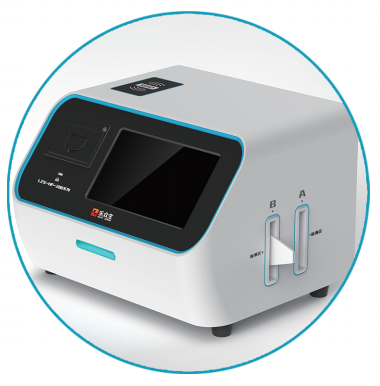
Helicobacter Pylori Breath Test Kit
Contact
Contacts: Jenny Pan
Address: Liandong U-Valley Medical and Health Industry Park, Hefei City, Anhui Province


