


Laparoscopic Linear Stapler: Advancing Minimally Invasive Surgery
The laparoscopic linear stapler has become an essential instrument in modern minimally invasive surgery, offering precision, efficiency, and safety for a wide range of procedures. As laparoscopic techniques continue to advance, this surgical tool plays a critical role in improving patient outcomes and reducing recovery times.
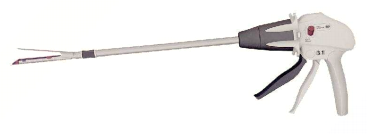
A laparoscopic linear stapler is designed for cutting and simultaneously stapling tissue during laparoscopic operations. It typically features a jaw mechanism that positions tissue, applies multiple rows of staples, and then cuts between them, providing secure closure and hemostasis in procedures such as gastrointestinal resections, bariatric surgeries, thoracic procedures, and colorectal operations.
Industry experts note that increasing adoption of minimally invasive surgeries, rising demand for surgical efficiency, and advancements in surgical technology are driving the widespread use of laparoscopic linear staplers. Surgeons benefit from precise control, reduced operative time, and lower risk of complications compared to conventional open surgery.
One of the main advantages of a laparoscopic linear stapler is its ability to provide consistent staple formation and reliable tissue closure. Modern staplers include features such as articulating jaws, adjustable staple height, and ergonomic handles to enhance precision and ease of use. Some advanced models also incorporate reloadable cartridges, allowing multiple applications during a single procedure.
Technological innovations have improved safety and performance. Laparoscopic linear staplers now feature improved visibility for tissue placement, minimal tissue trauma, and enhanced feedback mechanisms to confirm successful firing. These advancements help surgeons perform complex procedures more effectively and with greater confidence.
Hospitals and surgical centers widely use laparoscopic linear staplers for procedures where minimally invasive access is preferred. Benefits include smaller incisions, less postoperative pain, faster recovery, and lower risk of infection. Patients also benefit from shorter hospital stays and quicker return to normal activity.
The medical device industry continues to focus on enhancing stapler reliability, ergonomics, and adaptability to various surgical applications. Manufacturers are also developing single-use and reusable options to meet diverse clinical needs while maintaining high standards of sterility and safety.
Sustainability and cost-efficiency are emerging considerations. Innovations in reloadable staplers and recyclable components aim to reduce medical waste and overall procedure costs, supporting hospitals in sustainable operational practices.
Market analysts predict steady growth in the laparoscopic linear stapler sector due to the global expansion of minimally invasive surgery, increasing surgical caseloads, and ongoing technological advancements. These devices are expected to remain a core component of modern operating rooms.
In conclusion, the laparoscopic linear stapler is a vital surgical instrument that enhances precision, efficiency, and safety in minimally invasive procedures. Its advanced design and reliable performance contribute to improved patient outcomes and represent a significant innovation in modern surgery.
Laparoscopic Linear Stapler

Contact
Contacts: Jenny Pan
Address: Liandong U-Valley Medical and Health Industry Park, Hefei City, Anhui Province


