


Understanding the Role of Laparoscopic Linear Staplers in Modern Surgical Procedures
Laparoscopic linear staplers are advanced surgical devices that play a crucial role in minimally invasive procedures. They are specifically designed to facilitate the creation of secure, uniform tissue closures while minimizing trauma to surrounding tissues. These staplers are commonly employed in a variety of surgeries, including gastrointestinal, gynecological, and bariatric operations, among ot
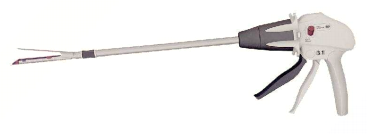
Laparoscopic linear staplers are advanced surgical devices that play a crucial role in minimally invasive procedures. They are specifically designed to facilitate the creation of secure, uniform tissue closures while minimizing trauma to surrounding tissues. These staplers are commonly employed in a variety of surgeries, including gastrointestinal, gynecological, and bariatric operations, among others.
The primary function of laparoscopic linear staplers is to staple tissues together, ensuring reliable closure during surgical procedures. They utilize a series of preloaded staples that are fired simultaneously across the tissue. This mechanism not only provides a strong and consistent closure but also allows for the swift execution of multiple suturing tasks within the confined space of a laparoscopic field. The precision of these devices significantly reduces the likelihood of leakage, which is critical in surgeries involving the gastrointestinal tract.
One of the major advantages of using laparoscopic linear staplers is their ability to streamline surgical workflows. The stapler’s design enables surgeons to perform complex procedures with enhanced speed and efficiency. This is particularly beneficial in laparoscopic surgeries, where traditional suturing methods can be cumbersome and time-consuming. The use of these staplers can lead to reduced operation times and lower overall healthcare costs associated with prolonged surgical procedures.
Moreover, the ergonomic design of laparoscopic linear staplers allows for greater maneuverability and control during surgery. Surgeons can operate these devices with one hand while maintaining visibility and access to the surgical site, minimizing the need for additional instruments. This feature not only simplifies the surgeon’s task but also contributes to improved patient safety and outcomes.
Another noteworthy aspect of laparoscopic linear staplers is the variety of staple sizes and configurations available. Surgeons can select the appropriate stapler based on the tissue type and thickness being sutured. This versatility ensures optimal tissue approximation and contributes to better healing and recovery times for patients.
In conclusion, laparoscopic linear staplers are indispensable tools in modern surgical practice. Their ability to provide efficient, reliable tissue closure makes them a preferred option for many surgeons performing minimally invasive procedures. As advancements continue to emerge in surgical technology, the role of laparoscopic linear staplers will likely expand, further enhancing the capabilities and outcomes of surgical interventions across various medical fields. Understanding the benefits and functionalities of these instruments is essential for healthcare professionals aiming to improve patient care and surgical efficacy.
The primary function of laparoscopic linear staplers is to staple tissues together, ensuring reliable closure during surgical procedures. They utilize a series of preloaded staples that are fired simultaneously across the tissue. This mechanism not only provides a strong and consistent closure but also allows for the swift execution of multiple suturing tasks within the confined space of a laparoscopic field. The precision of these devices significantly reduces the likelihood of leakage, which is critical in surgeries involving the gastrointestinal tract.
One of the major advantages of using laparoscopic linear staplers is their ability to streamline surgical workflows. The stapler’s design enables surgeons to perform complex procedures with enhanced speed and efficiency. This is particularly beneficial in laparoscopic surgeries, where traditional suturing methods can be cumbersome and time-consuming. The use of these staplers can lead to reduced operation times and lower overall healthcare costs associated with prolonged surgical procedures.
Moreover, the ergonomic design of laparoscopic linear staplers allows for greater maneuverability and control during surgery. Surgeons can operate these devices with one hand while maintaining visibility and access to the surgical site, minimizing the need for additional instruments. This feature not only simplifies the surgeon’s task but also contributes to improved patient safety and outcomes.
Another noteworthy aspect of laparoscopic linear staplers is the variety of staple sizes and configurations available. Surgeons can select the appropriate stapler based on the tissue type and thickness being sutured. This versatility ensures optimal tissue approximation and contributes to better healing and recovery times for patients.
In conclusion, laparoscopic linear staplers are indispensable tools in modern surgical practice. Their ability to provide efficient, reliable tissue closure makes them a preferred option for many surgeons performing minimally invasive procedures. As advancements continue to emerge in surgical technology, the role of laparoscopic linear staplers will likely expand, further enhancing the capabilities and outcomes of surgical interventions across various medical fields. Understanding the benefits and functionalities of these instruments is essential for healthcare professionals aiming to improve patient care and surgical efficacy.
laparoscopic linear stapler
Contact
Contacts: Jenny Pan
Address: Liandong U-Valley Medical and Health Industry Park, Hefei City, Anhui Province


