


Understanding FDA Surgical Staplers: Key Insights for Healthcare Professionals
---
Surgical staplers are critical tools in modern surgical procedures, offering a reliable means of tissue approximation and closure. The U.S. Food and Drug Administration (FDA) plays a vital role in regulating these devices to ensure their safety and effectiveness in clinical settings. This article aims to provide healthcare professionals with essential insights into FDA surgical staplers, their
---
Surgical staplers are critical tools in modern surgical procedures, offering a reliable means of tissue approximation and closure. The U.S. Food and Drug Administration (FDA) plays a vital role in regulating these devices to ensure their safety and effectiveness in clinical settings. This article aims to provide healthcare professionals with essential insights into FDA surgical staplers, their classifications, and best practices for usage.
**Types of FDA Surgical Staplers**
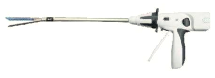
There are primarily two types of surgical staplers: manual and powered. Manual staplers require the surgeon's physical strength to operate, making them suitable for various procedures. Powered staplers, on the other hand, utilize a motorized mechanism, allowing for more consistent staple formation and placement. Each type has its own set of advantages and applications, depending on the complexity of the surgery and the surgeon’s preference.
**Applications in Surgery**
Surgical staplers are widely used in various surgical specialties, including general surgery, thoracic surgery, and gastrointestinal procedures. They are particularly beneficial in surgeries requiring rapid closure of large wounds, such as bowel resections or thoracotomies, where speed and precision are critical. The use of staplers can lead to reduced operative time and improved patient recovery, as they minimize the risk of complications associated with traditional suturing methods.
**FDA Regulations and Safety Considerations**
The FDA mandates rigorous testing and evaluation of surgical staplers to ensure they meet safety and efficacy standards before they can be marketed. This includes premarket submissions and post-market surveillance to monitor device performance. Healthcare professionals should be aware of these regulations and familiarize themselves with the specific devices used in their practice. It's crucial to stay updated on recalls or safety alerts issued by the FDA, as these can impact patient safety.
**Best Practices for Use**
When utilizing FDA surgical staplers, proper technique is essential for optimal outcomes. Surgeons should ensure that the stapler is suited for the tissue type and thickness. Additionally, preoperative training on the specific stapler model can enhance proficiency and reduce the risk of device-related complications. Monitoring patients post-operatively for signs of infection or staple line failure is also paramount to ensure a successful recovery.
In summary, FDA surgical staplers are invaluable tools that enhance surgical efficiency and patient outcomes. By understanding their types, applications, and the regulatory framework surrounding their use, healthcare professionals can make informed decisions that positively impact surgical practices. Staying educated about the latest advancements and adhering to best practices will ultimately lead to better patient care and improved surgical results.
Surgical staplers are critical tools in modern surgical procedures, offering a reliable means of tissue approximation and closure. The U.S. Food and Drug Administration (FDA) plays a vital role in regulating these devices to ensure their safety and effectiveness in clinical settings. This article aims to provide healthcare professionals with essential insights into FDA surgical staplers, their classifications, and best practices for usage.
**Types of FDA Surgical Staplers**
There are primarily two types of surgical staplers: manual and powered. Manual staplers require the surgeon's physical strength to operate, making them suitable for various procedures. Powered staplers, on the other hand, utilize a motorized mechanism, allowing for more consistent staple formation and placement. Each type has its own set of advantages and applications, depending on the complexity of the surgery and the surgeon’s preference.
**Applications in Surgery**
Surgical staplers are widely used in various surgical specialties, including general surgery, thoracic surgery, and gastrointestinal procedures. They are particularly beneficial in surgeries requiring rapid closure of large wounds, such as bowel resections or thoracotomies, where speed and precision are critical. The use of staplers can lead to reduced operative time and improved patient recovery, as they minimize the risk of complications associated with traditional suturing methods.
**FDA Regulations and Safety Considerations**
The FDA mandates rigorous testing and evaluation of surgical staplers to ensure they meet safety and efficacy standards before they can be marketed. This includes premarket submissions and post-market surveillance to monitor device performance. Healthcare professionals should be aware of these regulations and familiarize themselves with the specific devices used in their practice. It's crucial to stay updated on recalls or safety alerts issued by the FDA, as these can impact patient safety.
**Best Practices for Use**
When utilizing FDA surgical staplers, proper technique is essential for optimal outcomes. Surgeons should ensure that the stapler is suited for the tissue type and thickness. Additionally, preoperative training on the specific stapler model can enhance proficiency and reduce the risk of device-related complications. Monitoring patients post-operatively for signs of infection or staple line failure is also paramount to ensure a successful recovery.
In summary, FDA surgical staplers are invaluable tools that enhance surgical efficiency and patient outcomes. By understanding their types, applications, and the regulatory framework surrounding their use, healthcare professionals can make informed decisions that positively impact surgical practices. Staying educated about the latest advancements and adhering to best practices will ultimately lead to better patient care and improved surgical results.
fda surgical staplers
Contact
Contacts: Jenny Pan
Address: Liandong U-Valley Medical and Health Industry Park, Hefei City, Anhui Province


