


The Advantages and Applications of Reusable Skin Staplers in Medical Settings
Reusable skin staplers are innovative surgical instruments designed to facilitate wound closure efficiently and effectively. Unlike traditional sutures, which can be time-consuming and technically demanding to apply, skin staplers offer a rapid and reliable alternative for securing tissue edges together. These devices are particularly beneficial in a variety of clinical settings, including emergen
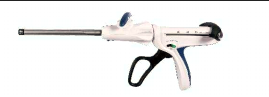
Reusable skin staplers are innovative surgical instruments designed to facilitate wound closure efficiently and effectively. Unlike traditional sutures, which can be time-consuming and technically demanding to apply, skin staplers offer a rapid and reliable alternative for securing tissue edges together. These devices are particularly beneficial in a variety of clinical settings, including emergency medicine, orthopedic surgeries, and general surgical procedures.
One of the primary advantages of reusable skin staplers is their ability to enhance operational efficiency. The quick application of staples can significantly reduce the time spent on wound closure, allowing healthcare professionals to focus more on patient care and other critical tasks. This increased efficiency is particularly advantageous in high-volume medical environments where time is of the essence.
Moreover, reusable skin staplers are engineered to be sturdy and reliable. They typically feature a design that allows for consistent staple penetration, which helps achieve a secure closure while minimizing tissue trauma. The staples themselves are usually made from biocompatible materials that reduce the risk of infection and promote healing. Additionally, the reusability aspect of these staplers contributes to cost-effectiveness in the long term, as they can be sterilized and utilized multiple times without compromising performance.
In terms of application, reusable skin staplers are versatile tools that can be used in various types of surgeries, including laparoscopic procedures and traumatic wound closures. Their design allows for quick access to the wound site, making them ideal for use in emergency situations where time is critical. Furthermore, they can be employed in conjunction with other wound management techniques to optimize patient outcomes.
To maximize the benefits of reusable skin staplers, healthcare professionals should be trained in their proper use and maintenance. It is essential to follow manufacturer guidelines for sterilization and care to ensure the longevity of the device and maintain its efficacy. Regular inspection of the stapler before use can also help identify any potential issues that could compromise patient safety.
In conclusion, reusable skin staplers represent a significant advancement in surgical technology, offering numerous advantages, including efficiency, reliability, and cost-effectiveness. By understanding their applications and best practices, medical professionals can leverage these instruments to improve surgical outcomes and enhance patient care. As the medical field continues to innovate, reusable skin staplers will undoubtedly remain a valuable component of surgical procedures.
One of the primary advantages of reusable skin staplers is their ability to enhance operational efficiency. The quick application of staples can significantly reduce the time spent on wound closure, allowing healthcare professionals to focus more on patient care and other critical tasks. This increased efficiency is particularly advantageous in high-volume medical environments where time is of the essence.
Moreover, reusable skin staplers are engineered to be sturdy and reliable. They typically feature a design that allows for consistent staple penetration, which helps achieve a secure closure while minimizing tissue trauma. The staples themselves are usually made from biocompatible materials that reduce the risk of infection and promote healing. Additionally, the reusability aspect of these staplers contributes to cost-effectiveness in the long term, as they can be sterilized and utilized multiple times without compromising performance.
In terms of application, reusable skin staplers are versatile tools that can be used in various types of surgeries, including laparoscopic procedures and traumatic wound closures. Their design allows for quick access to the wound site, making them ideal for use in emergency situations where time is critical. Furthermore, they can be employed in conjunction with other wound management techniques to optimize patient outcomes.
To maximize the benefits of reusable skin staplers, healthcare professionals should be trained in their proper use and maintenance. It is essential to follow manufacturer guidelines for sterilization and care to ensure the longevity of the device and maintain its efficacy. Regular inspection of the stapler before use can also help identify any potential issues that could compromise patient safety.
In conclusion, reusable skin staplers represent a significant advancement in surgical technology, offering numerous advantages, including efficiency, reliability, and cost-effectiveness. By understanding their applications and best practices, medical professionals can leverage these instruments to improve surgical outcomes and enhance patient care. As the medical field continues to innovate, reusable skin staplers will undoubtedly remain a valuable component of surgical procedures.
reusable skin stapler
Pre

Contact
Contacts: Jenny Pan
Address: Liandong U-Valley Medical and Health Industry Park, Hefei City, Anhui Province


