


Guidelines for Effective Use of Laparoscopic Linear Staplers in Surgical Procedures
Guidelines for Effective Use of Laparoscopic Linear Staplers in Surgical Procedures
Laparoscopic linear staplers have revolutionized the landscape of surgical techniques, enabling physicians to perform intricate procedures with enhanced precision and reduced recovery times. The importance of mastering the use of these devices cannot be overstated, as they play a crucial role in various surgical sp
Guidelines for Effective Use of Laparoscopic Linear Staplers in Surgical Procedures
Laparoscopic linear staplers have revolutionized the landscape of surgical techniques, enabling physicians to perform intricate procedures with enhanced precision and reduced recovery times. The importance of mastering the use of these devices cannot be overstated, as they play a crucial role in various surgical specialties. This guide delves into the effective use of laparoscopic linear staplers, providing surgeons and medical professionals with the essential insights needed to optimize their application.
Understanding Laparoscopic Linear Staplers
Laparoscopic linear staplers are sophisticated surgical instruments designed to facilitate the closure of tissue during minimally invasive procedures. These devices create secure, uniform staple lines, which are paramount in procedures such as gastrointestinal surgeries, thoracic surgeries, and gynecological operations.
Components of Laparoscopic Linear Staplers
The key components of these staplers include:
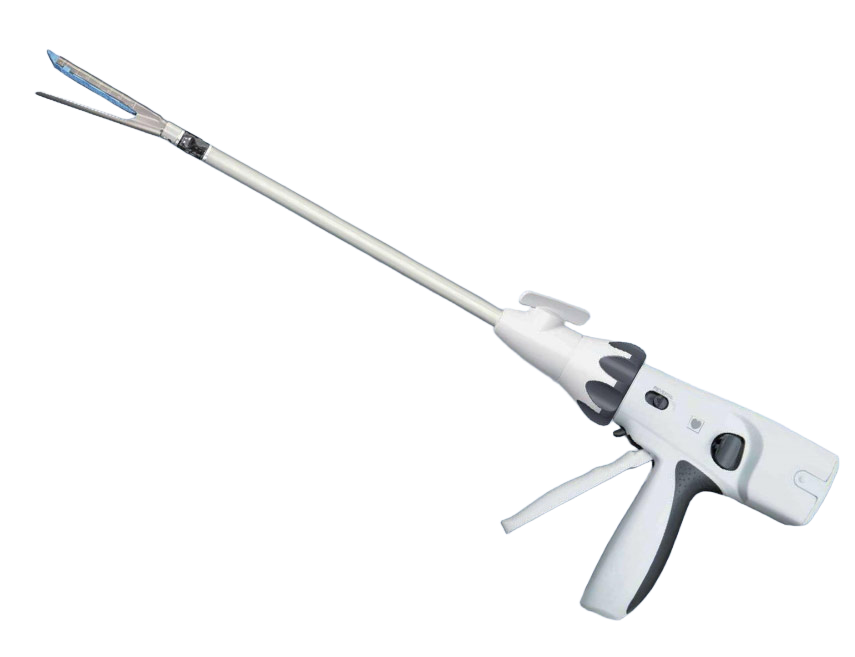
- **Stapler Handle:** The ergonomic design allows for easy manipulation during surgery.
- **Stapling Cartridge:** Contains preloaded metal staples; available in various sizes.
- **Anvil:** A pivotal part that helps form the staple and ensures tissue is adequately compressed.
- **Cutting Blade (in certain models):** This component may simultaneously cut and staple tissue, allowing for a more streamlined procedure.
Types of Laparoscopic Linear Staplers
Understanding the various types of laparoscopic linear staplers is essential for selecting the right tool for a specific procedure. Key types include:
- **Standard Linear Staplers:** Used for general closure of tissue.
- **Articulating Staplers:** These offer enhanced maneuverability and are ideal for complex anatomical locations.
- **Reloadable Staplers:** Allow for the easy replacement of cartridges, making them cost-effective and efficient.
Indications for Use of Laparoscopic Linear Staplers
Laparoscopic linear staplers are indicated for various surgical procedures, including:
- **Gastrointestinal Surgery:** Used for resection and anastomosis in procedures such as colectomies and gastrectomies.
- **Thoracic Surgery:** Essential in lung resections and esophageal surgeries.
- **Gynecological Procedures:** Employed in hysterectomies and adnexal surgeries.
Benefits of Using Laparoscopic Linear Staplers
The use of laparoscopic linear staplers offers multiple advantages:
- **Minimally Invasive Approach:** Reduces patient trauma and promotes quicker recovery.
- **Consistent Stapling Performance:** Provides a uniform staple line, which is critical for patient safety.
- **Reduced Surgical Time:** Streamlined stapling and cutting processes decrease overall operation time.
Best Practices for Effective Use of Laparoscopic Linear Staplers
To ensure the successful application of laparoscopic linear staplers, we recommend adhering to the following best practices:
Pre-Operative Preparation
- **Selection of Appropriate Stapler:** Assess the patient’s anatomy and choose the correct stapler type and cartridge size.
- **Thorough Familiarization:** Surgeons must familiarize themselves with the specific stapler model to understand its operation and features.
Intraoperative Techniques
1. **Proper Tissue Alignment:** Ensure that the tissue being stapled is correctly aligned and adequately compressed to prevent complications.
2. **Consistent Pressure Application:** Apply consistent pressure on the handle to guarantee even staple formation.
3. **Observation of Staple Formation:** Monitor the staple line closely, ensuring it forms as expected without gaps or misalignment.
Post-Operative Assessment
- **Evaluate Staple Line Integrity:** Conduct a thorough visual inspection of the staple line during closure.
- **Monitor for Complications:** Regularly assess the patient for any signs of leaks or complications that may arise from staple line failure.
Common Complications and Management
Despite the benefits, complications can arise from the use of laparoscopic linear staplers. Recognizing these issues and implementing appropriate management strategies are essential for ensuring patient safety.
Staple Line Leaks
Staple line leaks can occur due to improper application or tissue mismatch. In such cases:
- **Immediate Intervention:** If a leak is suspected, re-evaluate the staple line and consider additional suturing or re-stapling as necessary.
- **Postoperative Monitoring:** Implement a robust monitoring plan to identify and manage potential leaks early.
Staple Line Bleeding
Bleeding may result from inadequate tissue compression or vascular injury. To manage this:
- **Identify the Source:** Conduct a thorough examination to establish the source of bleeding.
- **Control the Bleed:** Employ hemostatic measures such as suturing or applying additional staples to secure the bleeding site.
Training and Skill Development
Effective use of laparoscopic linear staplers requires continuous education and skill enhancement.
Simulation Training
Utilizing simulation models to practice stapler techniques can significantly improve a surgeon's competence. This allows for hands-on experience without the pressure of live surgery.
Continued Professional Development
Engaging in workshops and training sessions focused on laparoscopic techniques can help surgeons stay updated with the latest advancements and best practices.
Future Trends in Laparoscopic Linear Staplers
The field of surgical stapling technology is continuously evolving. Emerging trends include:
- **Smart Staplers:** These devices may incorporate sensors to provide real-time feedback on tissue feedback and optimal compression.
- **Biodegradable Staples:** Innovations in materials may lead to the development of staples that dissolve after serving their purpose, reducing the need for removal procedures.
FAQs about Laparoscopic Linear Staplers
1. What types of surgeries commonly use laparoscopic linear staplers?
Laparoscopic linear staplers are frequently used in gastrointestinal, thoracic, and gynecological surgeries.
2. How do I choose the right staple cartridge?
Select a cartridge based on the tissue thickness and the specific surgical procedure being performed.
3. What should I do if I notice a leak in the staple line post-surgery?
Re-evaluate the staple line immediately and consider re-stapling or adding sutures to secure the area.
4. Are there any risks associated with using laparoscopic linear staplers?
Potential risks include staple line leaks and bleeding; however, proper technique can minimize these complications.
5. How can I improve my skills in using laparoscopic linear staplers?
Participating in simulation training and attending specialized workshops can enhance your skills in using these instruments effectively.
Conclusion
The effective use of laparoscopic linear staplers is fundamental to ensuring successful surgical outcomes in minimally invasive procedures. By understanding the intricacies of these devices, adhering to best practices, and committing to continuous training, surgeons can optimize their techniques and enhance patient safety. As technology advances, staying informed about new developments will further empower medical professionals to deliver the highest standard of care. Adopting these guidelines will not only improve individual surgical proficiency but will also contribute to the overall success of surgical teams across various specialties.
laparoscopic linear stapler
Contact
Contacts: Jenny Pan
Address: Liandong U-Valley Medical and Health Industry Park, Hefei City, Anhui Province


