


Understanding Helicobacter Pylori Detectors: A Vital Tool in Gastrointestinal Diagnostics
Helicobacter pylori (H. pylori) is a type of bacteria that can infect the stomach, leading to various gastrointestinal diseases, including gastritis, peptic ulcers, and even gastric cancer. Detecting H. pylori is crucial for effective treatment and management of these conditions. This is where Helicobacter Pylori Detectors come into play, serving as essential diagnostic tools in the medical field.
Helicobacter pylori (H. pylori) is a type of bacteria that can infect the stomach, leading to various gastrointestinal diseases, including gastritis, peptic ulcers, and even gastric cancer. Detecting H. pylori is crucial for effective treatment and management of these conditions. This is where Helicobacter Pylori Detectors come into play, serving as essential diagnostic tools in the medical field.
Helicobacter Pylori Detectors are designed to identify the presence of H. pylori in patients. By employing various detection methods, such as rapid urease tests, breath tests, serological tests, and endoscopic biopsy, these detectors provide accurate and timely results. The choice of method often depends on the clinical scenario, patient condition, and available resources.
One of the most common detection methods is the urea breath test. This non-invasive approach involves the patient ingesting a urea-based substance labeled with a carbon isotope. If H. pylori is present in the stomach, the bacteria will metabolize the urea, releasing labeled carbon dioxide, which can be measured in the patient's breath. This method is highly sensitive and specific, making it a preferred choice among healthcare providers.
Another prevalent method is the serological test, which detects antibodies to H. pylori in the patient's blood. This test is relatively quick and can be performed in an outpatient setting. However, it may not always distinguish between current and past infections, potentially leading to misinterpretation of results.
Endoscopic biopsy is a more invasive technique that involves examining the stomach lining directly and obtaining tissue samples for analysis. While this method provides definitive diagnostic information, it is typically reserved for cases where more serious conditions are suspected.
The significance of Helicobacter Pylori Detectors goes beyond mere diagnosis; they are pivotal in guiding treatment decisions. Accurate detection of H. pylori allows healthcare providers to tailor antibiotic therapy effectively, reducing the risk of complications associated with untreated infections. Furthermore, understanding the resistance patterns of H. pylori can help physicians choose the most effective treatment regimens.
In conclusion, Helicobacter Pylori Detectors are vital tools in the arsenal of gastrointestinal diagnostics. Their ability to provide accurate and timely diagnosis is essential for effective patient management. By leveraging the latest technologies in detection, healthcare providers can ensure better outcomes for patients suffering from H. pylori-related conditions. As medical technology continues to advance, the role of these detectors will undoubtedly evolve, further enhancing the efficiency and effectiveness of gastrointestinal care.
Helicobacter Pylori Detectors are designed to identify the presence of H. pylori in patients. By employing various detection methods, such as rapid urease tests, breath tests, serological tests, and endoscopic biopsy, these detectors provide accurate and timely results. The choice of method often depends on the clinical scenario, patient condition, and available resources.
One of the most common detection methods is the urea breath test. This non-invasive approach involves the patient ingesting a urea-based substance labeled with a carbon isotope. If H. pylori is present in the stomach, the bacteria will metabolize the urea, releasing labeled carbon dioxide, which can be measured in the patient's breath. This method is highly sensitive and specific, making it a preferred choice among healthcare providers.
Another prevalent method is the serological test, which detects antibodies to H. pylori in the patient's blood. This test is relatively quick and can be performed in an outpatient setting. However, it may not always distinguish between current and past infections, potentially leading to misinterpretation of results.
Endoscopic biopsy is a more invasive technique that involves examining the stomach lining directly and obtaining tissue samples for analysis. While this method provides definitive diagnostic information, it is typically reserved for cases where more serious conditions are suspected.
The significance of Helicobacter Pylori Detectors goes beyond mere diagnosis; they are pivotal in guiding treatment decisions. Accurate detection of H. pylori allows healthcare providers to tailor antibiotic therapy effectively, reducing the risk of complications associated with untreated infections. Furthermore, understanding the resistance patterns of H. pylori can help physicians choose the most effective treatment regimens.
In conclusion, Helicobacter Pylori Detectors are vital tools in the arsenal of gastrointestinal diagnostics. Their ability to provide accurate and timely diagnosis is essential for effective patient management. By leveraging the latest technologies in detection, healthcare providers can ensure better outcomes for patients suffering from H. pylori-related conditions. As medical technology continues to advance, the role of these detectors will undoubtedly evolve, further enhancing the efficiency and effectiveness of gastrointestinal care.
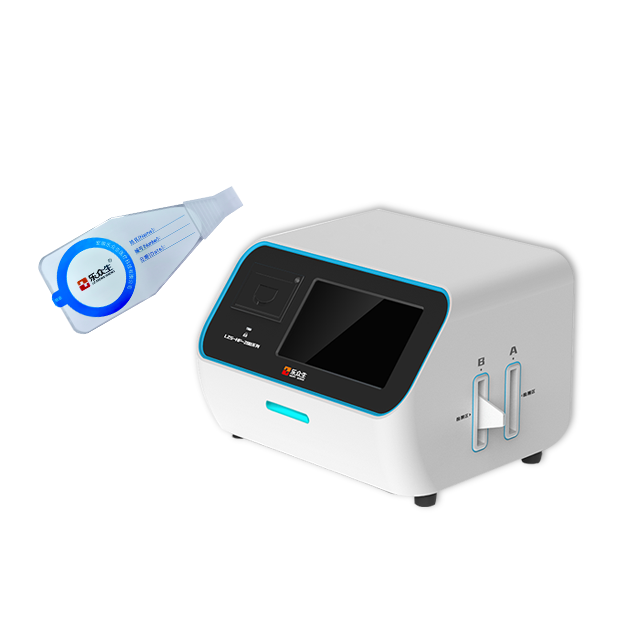
Helicobacter Pylori Detector
Contact
Contacts: Jenny Pan
Address: Liandong U-Valley Medical and Health Industry Park, Hefei City, Anhui Province


