


Understanding FDA Surgical Staplers: Essential Insights for Medical Professionals
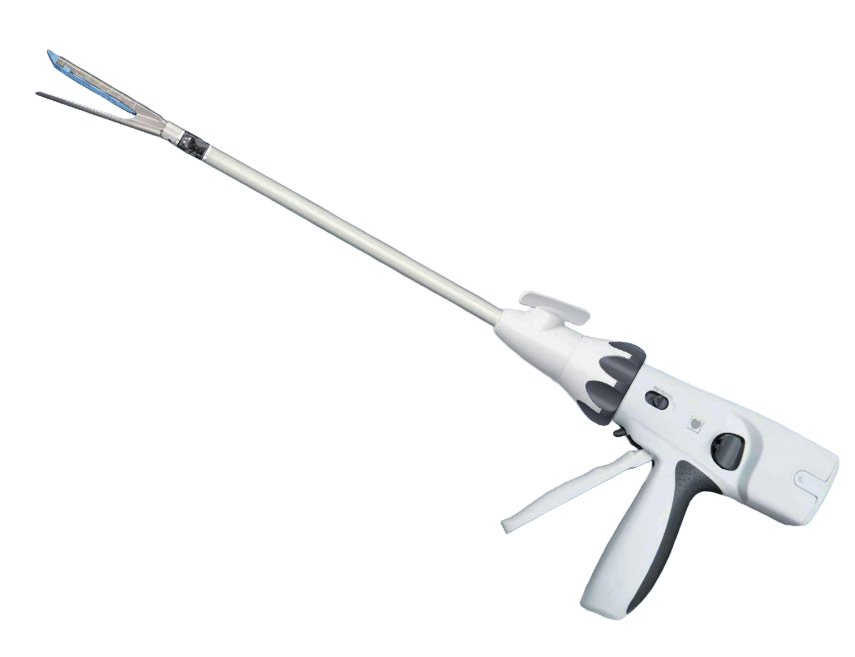
Surgical staplers are critical devices used in a variety of medical procedures, from general surgery to specialized operations. They provide a means to close wounds, anastomose tissues, and secure organs during surgeries. FDA surgical staplers have gained attention due to their effectiveness and efficiency in promoting healing while minimizing blood loss.
The Food and Drug Administration (FDA) pla
Surgical staplers are critical devices used in a variety of medical procedures, from general surgery to specialized operations. They provide a means to close wounds, anastomose tissues, and secure organs during surgeries. FDA surgical staplers have gained attention due to their effectiveness and efficiency in promoting healing while minimizing blood loss.
The Food and Drug Administration (FDA) plays a crucial role in regulating medical devices, including surgical staplers. The approval process ensures that these devices meet rigorous safety and effectiveness standards. FDA surgical staplers are typically classified as Class II devices, which require premarket notification, commonly known as a 510(k). This process mandates that manufacturers demonstrate their devices are substantially equivalent to already approved devices. This regulatory pathway helps ensure that surgical staplers are safe for use in clinical settings.
The use of FDA surgical staplers is not without challenges. Over the years, there have been reports of complications associated with their use, including misfiring, failure to deploy, and issues related to tissue integrity. These complications have prompted the FDA to issue guidance and recommendations for manufacturers to enhance the design and safety features of surgical staplers. Continuous quality improvement and rigorous post-market surveillance are vital for identifying potential issues and mitigating risks associated with these devices.
Moreover, healthcare professionals must receive adequate training in the proper use of surgical staplers. Understanding the types of staplers available—such as linear staplers, circular staplers, and skin staplers—can significantly impact surgical outcomes. Each type is designed for specific applications, and familiarity with their functions can enhance a surgeon's ability to select the appropriate tool for a given procedure.
In addition to clinical considerations, it's essential for medical professionals to stay informed about recent developments and regulatory updates concerning FDA surgical staplers. Engaging in continuous education and training can help practitioners make informed decisions and improve patient safety.
In summary, FDA surgical staplers are vital instruments in modern surgical practice, providing a reliable means to close wounds and secure tissues. Understanding their regulatory framework, potential complications, and proper usage is essential for healthcare professionals aiming to optimize surgical outcomes. As the landscape of medical technology evolves, staying current on best practices and innovations in surgical stapling will remain a pivotal aspect of patient care and safety.
fda surgical staplers
Contact
Contacts: Jenny Pan
Address: Liandong U-Valley Medical and Health Industry Park, Hefei City, Anhui Province


