


Top Advantages of Implementing FDA Surgical Staplers in Your Practice
Introduction: Understanding FDA Surgical Staplers
Surgical staplers have become essential tools in modern medical practices, particularly in surgical environments. With advancements in technology, FDA-approved surgical staplers offer numerous benefits that transform the way surgical procedures are performed. This article delves deep into the **top advantages** of implementing these innovative de
Introduction: Understanding FDA Surgical Staplers
Surgical staplers have become essential tools in modern medical practices, particularly in surgical environments. With advancements in technology, FDA-approved surgical staplers offer numerous benefits that transform the way surgical procedures are performed. This article delves deep into the **top advantages** of implementing these innovative devices in your practice, thereby enhancing both patient outcomes and operational efficiency.
1. Enhanced Patient Safety with FDA-Approved Surgical Staplers
One of the primary advantages of using FDA-approved surgical staplers is the significant improvement in patient safety. These staplers are designed to provide consistent and reliable closure of tissues, minimizing the risk of complications such as:
1.1 Reduced Risk of Infection
Traditional suturing methods can leave open spaces that increase the likelihood of infections. Surgical staplers create tighter closures, reducing exposure to bacteria and lowering the risk of post-operative infections.
1.2 Lower Incidence of Dehiscence
Wound dehiscence, or the reopening of a surgical wound, is a critical concern for surgeons. FDA surgical staplers ensure a more secure closure, thereby reducing the chances of dehiscence and promoting quicker healing.
2. Improved Surgical Efficiency and Time Management
In busy surgical settings, time is of the essence. Implementing FDA surgical staplers can lead to significant improvements in surgical efficiency.
2.1 Quick Application
Unlike traditional sutures that require meticulous threading and tying, surgical staplers can be applied quickly, allowing surgeons to focus on other critical aspects of the operation.
2.2 Streamlining Surgical Procedures
The fast application of surgical staplers facilitates a more streamlined workflow. This efficiency can lead to shorter surgery times and reduced anesthesia exposure for patients, contributing to better overall outcomes.
3. Versatility Across Various Surgical Procedures
FDA surgical staplers are designed for a wide range of surgical applications, making them versatile tools in any surgical practice.
3.1 Applicable in Multiple Surgical Specialties
From general surgery to orthopedic and even bariatric procedures, surgical staplers can be utilized across various surgical disciplines, enhancing their value in any medical setting.
3.2 Adaptability to Different Tissue Types
These staplers can effectively handle various tissue types and thicknesses, ensuring optimal closure and performance in even the most complex surgical situations.
4. Superior Tissue Handling and Hemostasis
One of the critical advantages of FDA surgical staplers is their ability to maintain hemostasis during procedures.
4.1 Minimizing Blood Loss
The design of surgical staplers allows for precise tissue handling, which can significantly reduce blood loss during operations. This capability is particularly crucial in high-stakes surgeries where every drop counts.
4.2 Enhanced Tissue Integrity
By minimizing the trauma to surrounding tissues, surgical staplers ensure that the integrity of the tissue is preserved, promoting better healing and reducing complications.
5. Cost-Effectiveness and Resource Optimization
In today's healthcare environment, controlling costs while maintaining quality is paramount. Implementing FDA surgical staplers can lead to significant cost savings.
5.1 Decreased Surgical Time
By accelerating the surgical process, practices can increase the number of procedures performed in a given time frame, thereby enhancing revenue potential.
5.2 Lower Post-Operative Care Costs
With fewer complications such as infections and re-operations, the overall costs associated with post-operative care are often decreased when using surgical staplers, leading to better resource allocation.
6. Enhanced Patient Comfort and Recovery
The benefits of FDA surgical staplers extend beyond the operating room, positively impacting patient comfort and recovery times.
6.1 Reduced Pain and Discomfort
Patients often report less pain and discomfort following procedures that utilized surgical staplers compared to those that used traditional sutures. This improvement in patient comfort can lead to higher satisfaction levels.
6.2 Quicker Recovery Times
With enhanced healing and fewer complications, patients can typically experience quicker recovery times. This acceleration allows them to return to their daily lives sooner, improving their overall experience.
7. Advanced Technology and Design
The technology behind FDA surgical staplers has evolved significantly, with modern designs prioritizing both functionality and user experience.
7.1 User-Friendly Interface
Many surgical staplers feature intuitive designs that facilitate ease of use for surgeons, leading to increased confidence and reduced error rates during procedures.
7.2 Continuous Innovation
The medical device industry is continuously innovating, ensuring that FDA surgical staplers incorporate the latest advancements. This commitment to improvement helps maintain high standards of patient care.
8. Training and Support for Healthcare Professionals
Implementing FDA surgical staplers in your practice goes hand-in-hand with proper training and support for medical staff.
8.1 Comprehensive Training Programs
Manufacturers often provide comprehensive training programs for healthcare professionals, ensuring that they are well-equipped to use these devices effectively and confidently.
8.2 Ongoing Support and Resources
Healthcare facilities can benefit from ongoing support from manufacturers, including access to resources that help optimize the use of surgical staplers within their practices.
FAQs About FDA Surgical Staplers
1. What are FDA surgical staplers used for?
FDA surgical staplers are employed for closing wounds and incisions during surgeries across various specialties, including general surgery, orthopedic, and gynecological procedures.
2. How do surgical staplers compare to traditional sutures?
Surgical staplers provide faster application, enhanced tissue integrity, and reduced risk of complications compared to traditional sutures, making them a preferred choice in many surgical settings.
3. Are there different types of surgical staplers?
Yes, there are various types of surgical staplers, including linear staplers, circular staplers, and endoscopic staplers, each designed for specific surgical applications.
4. Is training required to use surgical staplers?
Yes, comprehensive training is recommended to ensure that healthcare professionals can effectively and safely use surgical staplers in their surgical procedures.
5. What are the potential risks of using surgical staplers?
While surgical staplers are generally safe, potential risks include misfiring or improper placement of staples, which can lead to complications. Proper training and adherence to protocols help mitigate these risks.
Conclusion: Transforming Surgical Practices with FDA Surgical Staplers
Incorporating FDA surgical staplers into your medical practice offers numerous advantages, from enhanced patient safety and improved surgical efficiency to cost-effectiveness and better recovery times. As a versatile tool that can be applied across various surgical disciplines, surgical staplers represent a significant advancement in healthcare technology. By prioritizing the adoption of these innovative devices, healthcare professionals can not only enhance patient outcomes but also streamline their surgical operations, ultimately leading to a higher standard of care in their practices.
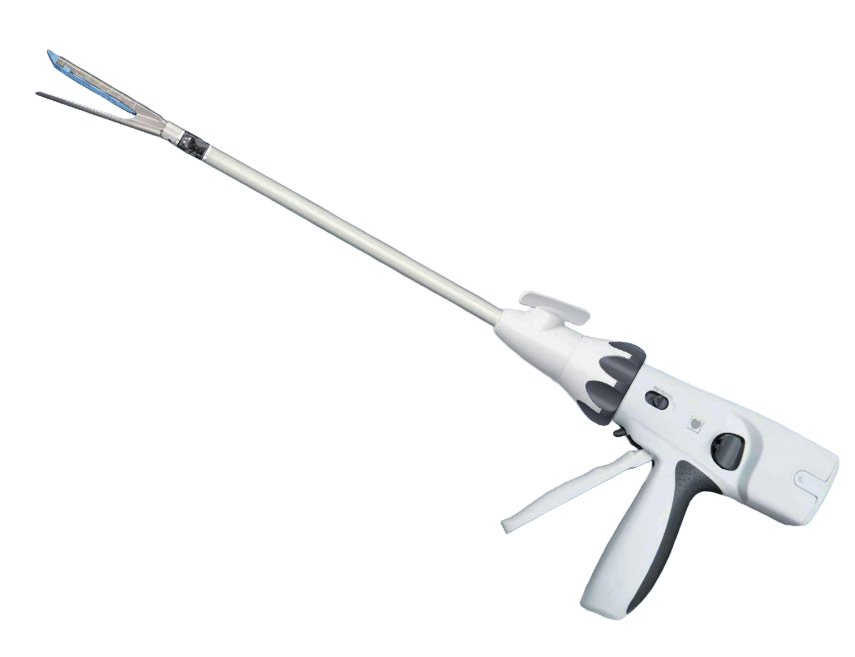
fda surgical staplers
Pre
Contact
Contacts: Jenny Pan
Address: Liandong U-Valley Medical and Health Industry Park, Hefei City, Anhui Province


