


Breath Testing for Helicobacter Pylori: A Comprehensive Exploration of Diagnosis and Treatment
Introduction to Helicobacter Pylori and Its Impact on Health
Helicobacter pylori (H. pylori) is a gram-negative bacterium that colonizes the stomach lining. It is a significant contributor to various gastrointestinal disorders, including gastritis, peptic ulcers, and even gastric cancer. Understanding the implications of H. pylori infection is critical for effective diagnosis and treatment. In t
Introduction to Helicobacter Pylori and Its Impact on Health
Helicobacter pylori (H. pylori) is a gram-negative bacterium that colonizes the stomach lining. It is a significant contributor to various gastrointestinal disorders, including gastritis, peptic ulcers, and even gastric cancer. Understanding the implications of H. pylori infection is critical for effective diagnosis and treatment. In this article, we will explore the **breath testing** method for detecting H. pylori, shedding light on its significance, procedures, and related treatments.
Understanding H. Pylori: The Basics
H. pylori is estimated to infect over half of the world’s population. The bacterium survives in the harsh acidic environment of the stomach and is often transmitted through contaminated food and water. Infection with H. pylori can lead to various symptoms, including:
- Abdominal pain or discomfort
- Nausea and vomiting
- Bloating and excessive gas
- Loss of appetite
- Frequent burping
- Unexplained weight loss
Recognizing the symptoms is crucial for early diagnosis and treatment.
The Role of Breath Testing in Diagnosing H. Pylori
Breath testing is a non-invasive method widely used to diagnose H. pylori infection. This testing is particularly preferred due to its accuracy, ease of use, and minimal discomfort for patients. There are primarily two types of breath tests employed:
Urea Breath Test (UBT)
The Urea Breath Test is the most common method used to confirm the presence of H. pylori. This test works on the principle that H. pylori produces a specific enzyme called urease, which breaks down urea into ammonia and carbon dioxide. Here’s how the procedure generally unfolds:
1. **Preparation**: Patients are typically required to fast for at least 6 hours prior to the test. This ensures that the stomach is empty, providing more accurate results.
2. **Initial Breath Sample**: The patient exhales into a collection bag to obtain a baseline measurement before ingesting the test substance.
3. **Ingestion of Urea**: Patients swallow a small amount of urea labeled with a non-radioactive carbon isotope (C13 or C14).
4. **Final Breath Sample**: After a set period, usually around 15-30 minutes, a second breath sample is collected. If H. pylori is present, the bacteria will metabolize the urea, producing labeled carbon dioxide detectable in the breath.
Testing Accuracy and Benefits
The UBT boasts a high diagnostic accuracy rate, exceeding 90% in most cases. Its non-invasive nature, combined with rapid results, makes it a preferred choice for healthcare professionals.
Alternative Testing Methods for H. Pylori
In addition to breath testing, several other methods are available for diagnosing H. pylori:
Endoscopy with Biopsy
In more complex cases, where symptoms persist despite treatment, endoscopic procedures may be used. This method involves inserting a thin tube with a camera through the throat to visualize the stomach lining and obtain tissue samples for testing.
Stool Antigen Test
This test detects H. pylori antigens in the stool, providing a non-invasive alternative to endoscopy. However, it may not be as definitive as the UBT, particularly in cases of recent antibiotic use.
Serology Tests
Blood tests can detect antibodies to H. pylori, but they are less reliable for confirming current infections since antibodies can persist long after successful treatment.
Symptoms of H. Pylori Infection
Identifying symptoms associated with H. pylori infection can lead to timely diagnosis and treatment. Common symptoms include:
Gastritis and Peptic Ulcers
Gastritis refers to the inflammation of the stomach lining, often resulting in pain and discomfort. Peptic ulcers, on the other hand, are open sores that develop in the stomach or small intestine, leading to severe abdominal pain, bloating, and indigestion.
Long-term Consequences of Untreated H. Pylori Infection
If left untreated, H. pylori infections can escalate and lead to serious complications, such as:
- Gastric Cancer: Chronic inflammation caused by H. pylori is a significant risk factor for the development of gastric cancer.
- Atrophic Gastritis: Prolonged infection can lead to the thinning of the stomach lining.
- Increased Risk of Stomach Lymphoma: H. pylori is associated with mucosa-associated lymphoid tissue (MALT) lymphoma.
Treatment Options for H. Pylori Infection
Once diagnosed, effective management of H. pylori is crucial. Treatment typically involves a combination of medications aimed at eradicating the bacteria and healing the stomach lining.
Antibiotic Therapy
Antibiotics are the cornerstone of H. pylori treatment. Common regimens often include a combination of two or more antibiotics to minimize resistance. Medications such as amoxicillin, clarithromycin, and metronidazole are frequently prescribed.
Proton Pump Inhibitors (PPIs)
PPIs are crucial in reducing stomach acid production, aiding in the healing of ulcers and enhancing the effectiveness of antibiotics. Common PPIs include omeprazole, lansoprazole, and rabeprazole.
Bismuth Compounds
Bismuth subsalicylate, commonly known as Pepto-Bismol, can be included in treatment regimens. This compound protects the stomach lining and may help in the eradication of H. pylori.
Lifestyle Changes and Dietary Considerations
In addition to medical treatment, making specific lifestyle adjustments can support overall gut health and recovery from H. pylori infection.
Dietary Modifications
Incorporating a balanced diet rich in fruits, vegetables, whole grains, and probiotics can significantly aid in gut healing. Foods such as yogurt and fermented products contain beneficial bacteria that may help restore gut flora.
Avoiding Irritants
Refraining from irritants such as alcohol, caffeine, spicy foods, and NSAIDs (non-steroidal anti-inflammatory drugs) can help minimize gastric irritation and promote healing.
Monitoring and Follow-Up After Treatment
Following treatment, it is essential to confirm the eradication of H. pylori. This is typically done through a follow-up breath test or endoscopy. Regular monitoring helps prevent recurrences and ensures effective management of any lingering symptoms.
Importance of Regular Check-ups
For individuals with a history of H. pylori infection, maintaining regular check-ups with healthcare providers is crucial. This proactive approach can lead to early detection and treatment of any complications.
FAQs About Breath Testing for H. Pylori
1. How accurate is the breath test for H. pylori?
The breath test is highly accurate, with sensitivity and specificity rates often exceeding 90%. This makes it one of the preferred methods for diagnosing H. pylori infections.
2. Is the breath test painful?
No, the breath test is non-invasive and painless. It only requires the patient to breathe into a collection bag before and after ingesting a small amount of urea.
3. How long does the breath test take?
The entire process typically takes about 30 minutes, including the waiting period after ingesting the urea.
4. Can I eat or drink before the breath test?
Patients are advised to fast for at least 6 hours prior to the test to ensure accurate results. It is essential to follow your healthcare provider's instructions regarding preparation.
5. What happens if the breath test result is positive?
A positive result indicates the presence of H. pylori, and your healthcare provider will discuss appropriate treatment options, which may include antibiotics and acid-reducing medications.
Conclusion
Breath testing for Helicobacter pylori is a vital tool in the diagnosis and management of gastrointestinal health issues. Understanding the testing process, potential symptoms, and treatment options empowers patients and healthcare providers alike to address this common yet significant health concern effectively. By adopting a comprehensive approach that includes medical treatment and lifestyle changes, individuals can work towards optimal digestive health and well-being.
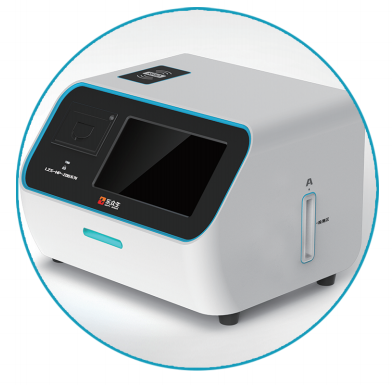
Helicobacter Pylori Breath Test Kit
Contact
Contacts: Jenny Pan
Address: Liandong U-Valley Medical and Health Industry Park, Hefei City, Anhui Province


