


Understanding the Role and Functionality of Laparoscopic Linear Staplers in Surgical Procedures
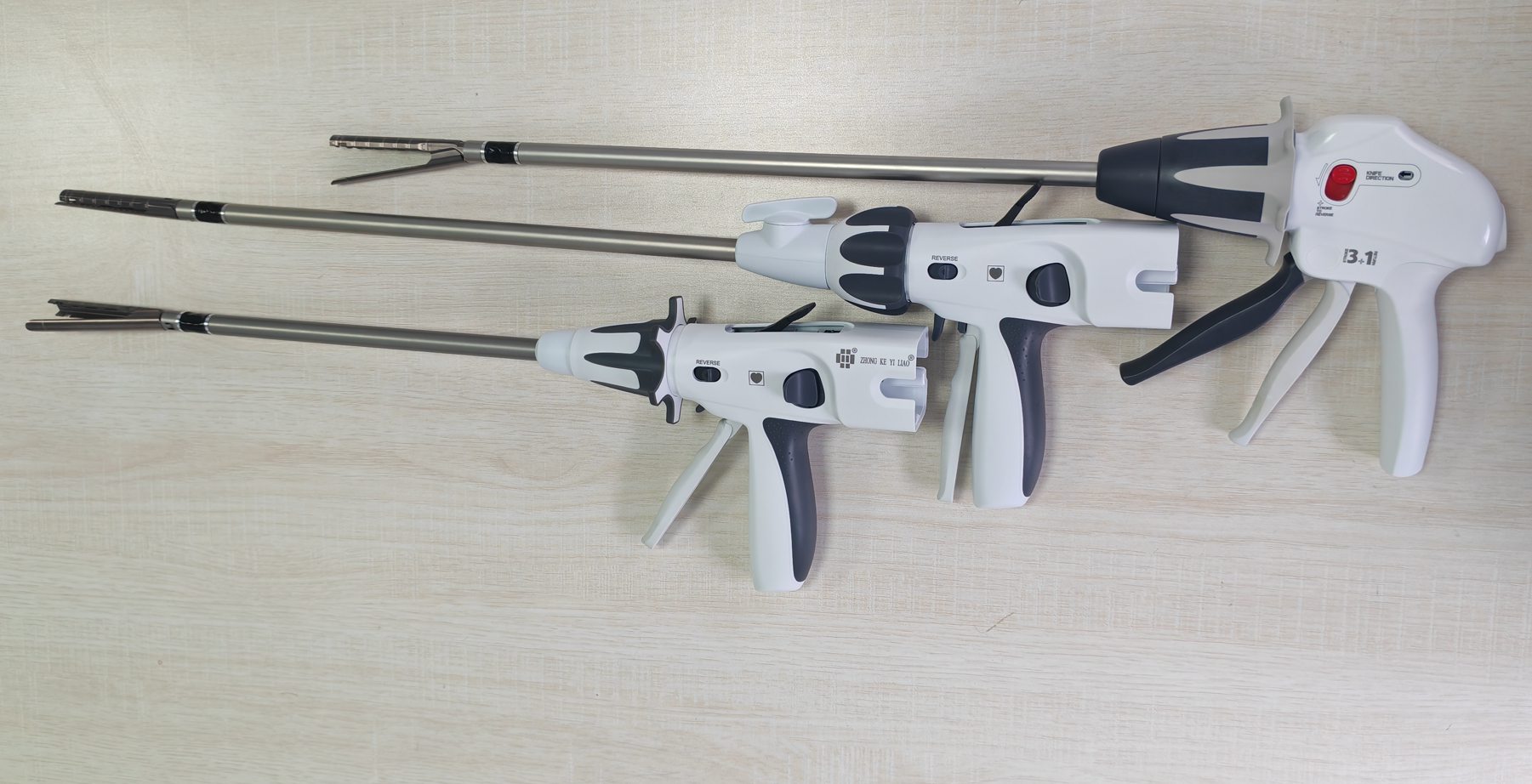
Laparoscopic linear staplers are advanced surgical instruments that play a crucial role in minimally invasive procedures. These devices are primarily designed to facilitate the resection and anastomosis of tissue during surgeries such as gastric bypass, colectomies, and thoracic operations. The unique design of laparoscopic linear staplers allows surgeons to perform complex tasks with precision, minimizing the need for large incisions and thereby reducing patient recovery time.
One of the key features of laparoscopic linear staplers is their ability to simultaneously cut and staple tissue, which streamlines surgical procedures. This dual functionality not only enhances surgical efficiency but also ensures that the tissue is securely closed, minimizing the risk of leakage and promoting better healing outcomes. The staples used in these devices can be made from various materials, including titanium and absorbable polymers, depending on the surgical requirements and tissue type.

The ergonomics of laparoscopic linear staplers are designed to accommodate the unique requirements of laparoscopic surgeries. These staplers are often equipped with articulated jaws that enable surgeons to navigate complex anatomical structures with ease. Furthermore, many models come with adjustable firing mechanisms, allowing surgeons to tailor the stapling process according to the specific needs of the tissue being operated on. This adaptability is particularly beneficial in procedures involving varying tissue thicknesses.
In addition to their technical features, laparoscopic linear staplers are subject to rigorous safety and efficacy standards. Manufacturers conduct extensive testing to ensure that these devices perform reliably under various surgical conditions. Surgeons are also trained in the use of these instruments to ensure that they can leverage their full potential while maintaining the highest standards of patient safety.
The integration of laparoscopic linear staplers into surgical practice has transformed the landscape of minimally invasive surgery. By reducing trauma to surrounding tissues and enhancing recovery times, these devices have become indispensable tools in the operating room. Surgeons who embrace the use of laparoscopic linear staplers can expect to see improvements in patient outcomes, including shorter hospital stays and lower postoperative complications.
In conclusion, laparoscopic linear staplers are vital instruments in the field of modern surgery. Their design and functionality not only improve the efficiency of surgical procedures but also enhance patient safety and recovery. As technology continues to advance, the role of these devices will only become more significant in the quest for improved surgical outcomes and patient care.
laparoscopic linear stapler
Contact
Contacts: Jenny Pan
Address: Liandong U-Valley Medical and Health Industry Park, Hefei City, Anhui Province


