


Understanding the Benefits of Non-Invasive Helicobacter Pylori Testing: A Comprehensive Guide
Understanding the Benefits of Non-Invasive Helicobacter Pylori Testing
Table of Contents
1. Introduction to Helicobacter Pylori
2. The Importance of Testing for H. Pylori
3. Non-Invasive Testing Methods
3.1 Breath Testing
3.2 Stool Testing
3.3 Serological Testing
4. Benefits of Non-Invasive Testing
4.1 Enhanced Patient Comfort
4.2 Accurate Resu
Understanding the Benefits of Non-Invasive Helicobacter Pylori Testing
Table of Contents
- 1. Introduction to Helicobacter Pylori
- 2. The Importance of Testing for H. Pylori
- 3. Non-Invasive Testing Methods
- 4. Benefits of Non-Invasive Testing
- 5. Understanding H. Pylori Infection
- 6. Treatment Options After Testing
- 7. Frequently Asked Questions
- 8. Conclusion
1. Introduction to Helicobacter Pylori
Helicobacter pylori (H. pylori) is a spiral-shaped bacterium that resides in the human stomach. It is a significant cause of various gastrointestinal disorders, including peptic ulcers and gastritis. Understanding H. pylori is essential, as it affects a large portion of the global population. While many individuals harbor this bacterium without symptoms, it can lead to severe health complications if left untreated.
2. The Importance of Testing for H. Pylori
Testing for H. pylori is crucial for diagnosing related health issues. **Early detection** can prevent complications such as chronic gastritis, duodenal ulcers, and even gastric cancer. Traditional testing methods often involved invasive procedures, which could deter patients from seeking diagnosis. This highlights the need for non-invasive alternatives that offer comfort and accuracy.
3. Non-Invasive Testing Methods
Non-invasive testing methods have revolutionized how we diagnose H. pylori infections. They are widely accepted due to their accuracy, ease of use, and minimal discomfort for patients.
3.1 Breath Testing
**Breath testing** is one of the most common non-invasive methods. Patients ingest a substance containing urea, which H. pylori breaks down, releasing carbon dioxide. The doctor then measures the amount of carbon dioxide in the patient's breath. This method is highly accurate and provides results within a short time frame.
3.2 Stool Testing
**Stool testing** is another effective non-invasive approach. It involves analyzing a stool sample for the presence of H. pylori antigens. This method is not only reliable but also convenient for patients, as it can be done in the comfort of their homes.
3.3 Serological Testing
**Serological testing** detects antibodies against H. pylori in the blood. While this method is less common than breath and stool tests, it can provide valuable information about past or current infections.
4. Benefits of Non-Invasive Testing
Non-invasive testing offers numerous benefits that enhance patient experience and diagnostic accuracy.
4.1 Enhanced Patient Comfort
One of the primary advantages of non-invasive testing is **enhanced patient comfort**. Unlike traditional invasive tests, which may require endoscopy, non-invasive methods minimize discomfort and anxiety. Patients can undergo testing without the stress associated with surgical procedures.
4.2 Accurate Results
The accuracy of non-invasive testing is another significant benefit. Breath and stool tests, in particular, have demonstrated high sensitivity and specificity. This ensures that doctors receive reliable information to make informed decisions about treatment.
4.3 Cost-Effectiveness
Non-invasive tests are often more **cost-effective** than invasive alternatives. They typically require less specialized equipment and fewer resources, resulting in lower costs for both patients and healthcare providers. This affordability makes diagnosis accessible to a broader population.
5. Understanding H. Pylori Infection
H. pylori infections can occur through various transmission routes, including contaminated food and water. Once established, they can lead to chronic inflammation of the stomach lining. Understanding the infection's mechanisms can help in developing effective treatment strategies and preventive measures.
6. Treatment Options After Testing
Once diagnosed with an H. pylori infection, treatment typically involves a combination of antibiotics and acid-reducing medications. This dual therapy effectively eradicates the bacterium while promoting healing of the stomach lining. Patients should work closely with their healthcare providers to determine the best course of action.
7. Frequently Asked Questions
7.1 What are the symptoms of H. pylori infection?
Symptoms can include abdominal pain, bloating, nausea, and loss of appetite. However, many individuals may be asymptomatic.
7.2 How is H. pylori infection diagnosed?
Diagnosis can be made through non-invasive tests such as breath tests, stool tests, or serological tests.
7.3 Is non-invasive testing as reliable as invasive methods?
Yes, non-invasive tests have shown high accuracy rates and are increasingly preferred in clinical practice.
7.4 How long does it take to get results from non-invasive testing?
Results can typically be obtained within a few hours to a couple of days, depending on the testing method used.
7.5 What should I do if I test positive for H. pylori?
Consult your healthcare provider to discuss treatment options and follow-up procedures.
8. Conclusion
Non-invasive Helicobacter pylori testing has transformed the landscape of gastrointestinal diagnostics. With its emphasis on patient comfort, accurate results, and cost-effectiveness, it represents a significant advancement in medical testing. As healthcare continues to evolve, these non-invasive methods will likely become the standard for diagnosing H. pylori infections, leading to better patient outcomes and enhanced care in the medical field.
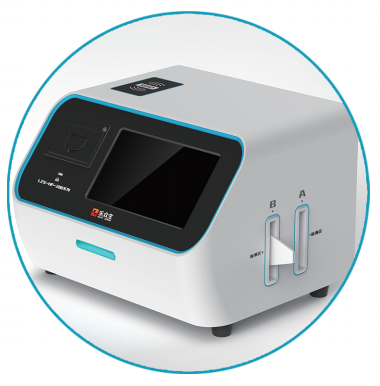
Helicobacter Pylori Breath Test Kit
Contact
Contacts: Jenny Pan
Address: Liandong U-Valley Medical and Health Industry Park, Hefei City, Anhui Province


