


The Versatile Applications of Ligating and Dividing Staplers in Modern Surgery
Ligating and dividing staplers are integral surgical instruments designed to streamline various procedures by efficiently ligating (tying off) and dividing tissues. These devices are particularly useful in surgeries involving the gastrointestinal tract, thoracic cavity, and vascular systems, as they provide a reliable method for tissue management while minimizing bleeding and facilitating quick re
Ligating and dividing staplers are integral surgical instruments designed to streamline various procedures by efficiently ligating (tying off) and dividing tissues. These devices are particularly useful in surgeries involving the gastrointestinal tract, thoracic cavity, and vascular systems, as they provide a reliable method for tissue management while minimizing bleeding and facilitating quick recovery.
One of the key advantages of using ligating and dividing staplers is their ability to achieve consistent and secure tissue closure. The mechanism typically involves the simultaneous application of a ligation and a staple, which not only secures the tissue but also divides it cleanly. This dual functionality reduces the number of steps required in surgical procedures, thereby saving valuable time and enhancing overall workflow in an operating room.
In addition to their efficiency, ligating and dividing staplers are designed to reduce the risk of complications. Traditional methods of tissue ligation and division often involve multiple tools, which can lead to increased handling of tissues, a higher chance of contamination, and greater blood loss. By employing a single device, surgeons can minimize these risks, promoting better patient safety and potentially quicker recovery times.
Furthermore, the usage of these staplers can result in less trauma to the surrounding tissues compared to conventional techniques. The precise application of staples ensures that only the intended tissue is affected, which is crucial in delicate operations. This precision not only aids in achieving optimal surgical outcomes but also contributes to patient comfort during the recovery phase.
Ligating and dividing staplers are also equipped with advanced features such as adjustable staple height and ergonomic designs, which enhance the surgeon's control and adaptability during procedures. This adaptability is essential, as different surgeries may require different approaches based on the specific anatomy and pathology being addressed.
Another significant aspect of ligating and dividing staplers is their compatibility with various surgical techniques, including laparoscopic and open surgeries. This versatility ensures that surgeons can select the appropriate tool for their specific needs, allowing for a customized approach to patient care.
In conclusion, ligating and dividing staplers represent a pivotal advancement in surgical instrumentation, offering numerous benefits that enhance both efficiency and safety in surgical procedures. Their role in modern medicine cannot be understated, as they help facilitate complex surgeries with greater ease and precision. As healthcare continues to evolve, these innovative instruments will likely play an increasingly important role in patient management and surgical outcomes.
One of the key advantages of using ligating and dividing staplers is their ability to achieve consistent and secure tissue closure. The mechanism typically involves the simultaneous application of a ligation and a staple, which not only secures the tissue but also divides it cleanly. This dual functionality reduces the number of steps required in surgical procedures, thereby saving valuable time and enhancing overall workflow in an operating room.
In addition to their efficiency, ligating and dividing staplers are designed to reduce the risk of complications. Traditional methods of tissue ligation and division often involve multiple tools, which can lead to increased handling of tissues, a higher chance of contamination, and greater blood loss. By employing a single device, surgeons can minimize these risks, promoting better patient safety and potentially quicker recovery times.
Furthermore, the usage of these staplers can result in less trauma to the surrounding tissues compared to conventional techniques. The precise application of staples ensures that only the intended tissue is affected, which is crucial in delicate operations. This precision not only aids in achieving optimal surgical outcomes but also contributes to patient comfort during the recovery phase.
Ligating and dividing staplers are also equipped with advanced features such as adjustable staple height and ergonomic designs, which enhance the surgeon's control and adaptability during procedures. This adaptability is essential, as different surgeries may require different approaches based on the specific anatomy and pathology being addressed.
Another significant aspect of ligating and dividing staplers is their compatibility with various surgical techniques, including laparoscopic and open surgeries. This versatility ensures that surgeons can select the appropriate tool for their specific needs, allowing for a customized approach to patient care.
In conclusion, ligating and dividing staplers represent a pivotal advancement in surgical instrumentation, offering numerous benefits that enhance both efficiency and safety in surgical procedures. Their role in modern medicine cannot be understated, as they help facilitate complex surgeries with greater ease and precision. As healthcare continues to evolve, these innovative instruments will likely play an increasingly important role in patient management and surgical outcomes.
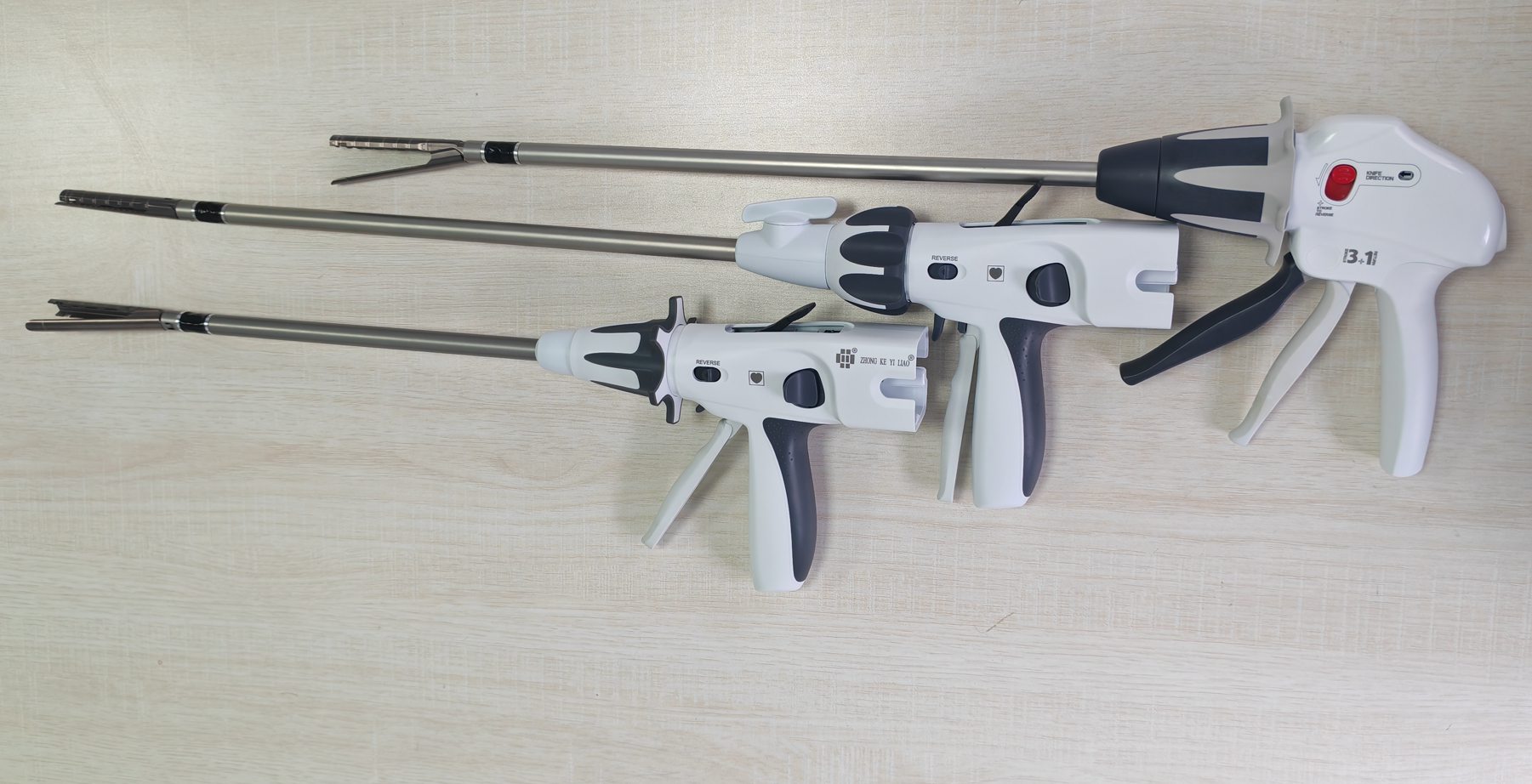
ligating and dividing stapler
Contact
Contacts: Jenny Pan
Address: Liandong U-Valley Medical and Health Industry Park, Hefei City, Anhui Province


