


The Critical Impact of FDA Surgical Staplers in Advancing Modern Surgical Techniques
The Critical Impact of FDA Surgical Staplers in Advancing Modern Surgical Techniques
Table of Contents
Introduction to FDA Surgical Staplers
History of Surgical Staplers
Design and Functionality of FDA Surgical Staplers
Advantages of Using FDA Surgical Staplers
FDA Regulations and Safety Standards for Surgical Staplers
Different Types of Surgical Staplers
The Future of Surgical Stap
The Critical Impact of FDA Surgical Staplers in Advancing Modern Surgical Techniques
Table of Contents
- Introduction to FDA Surgical Staplers
- History of Surgical Staplers
- Design and Functionality of FDA Surgical Staplers
- Advantages of Using FDA Surgical Staplers
- FDA Regulations and Safety Standards for Surgical Staplers
- Different Types of Surgical Staplers
- The Future of Surgical Stapling Technology
- Conclusion
- Frequently Asked Questions (FAQs)
Introduction to FDA Surgical Staplers
In the realm of modern medicine, FDA surgical staplers have emerged as indispensable tools that revolutionize surgical procedures. These devices, designed for closing wounds and connecting tissues during surgery, have significantly transformed the landscape of surgical techniques. Their precision, efficiency, and reliability make them a staple in both minimally invasive and traditional surgeries.
Surgical staplers, once a novelty, have become integral to the surgical toolkit, enabling surgeons to perform complex procedures with enhanced accuracy. In this article, we aim to explore the multifaceted role of FDA surgical staplers in modern surgical techniques, examining their design, effectiveness, and the stringent regulations that govern their use.
History of Surgical Staplers
The evolution of surgical staplers can be traced back to the early 20th century. Initially, these devices were rudimentary and lacked the advanced technology we associate with them today. The first surgical stapler was invented in 1908 by Dr. H. J. Houghton, but it wasn't until the 1960s that substantial improvements were made, leading to the staplers we use today.
The introduction of disposable staplers in the 1980s marked a significant milestone in surgical history. These innovations greatly reduced the risk of infection and cross-contamination, thereby improving patient safety. With continuous advancements in materials and design, FDA surgical staplers have evolved into sophisticated devices equipped with features that enhance their functionality and ease of use.
Design and Functionality of FDA Surgical Staplers
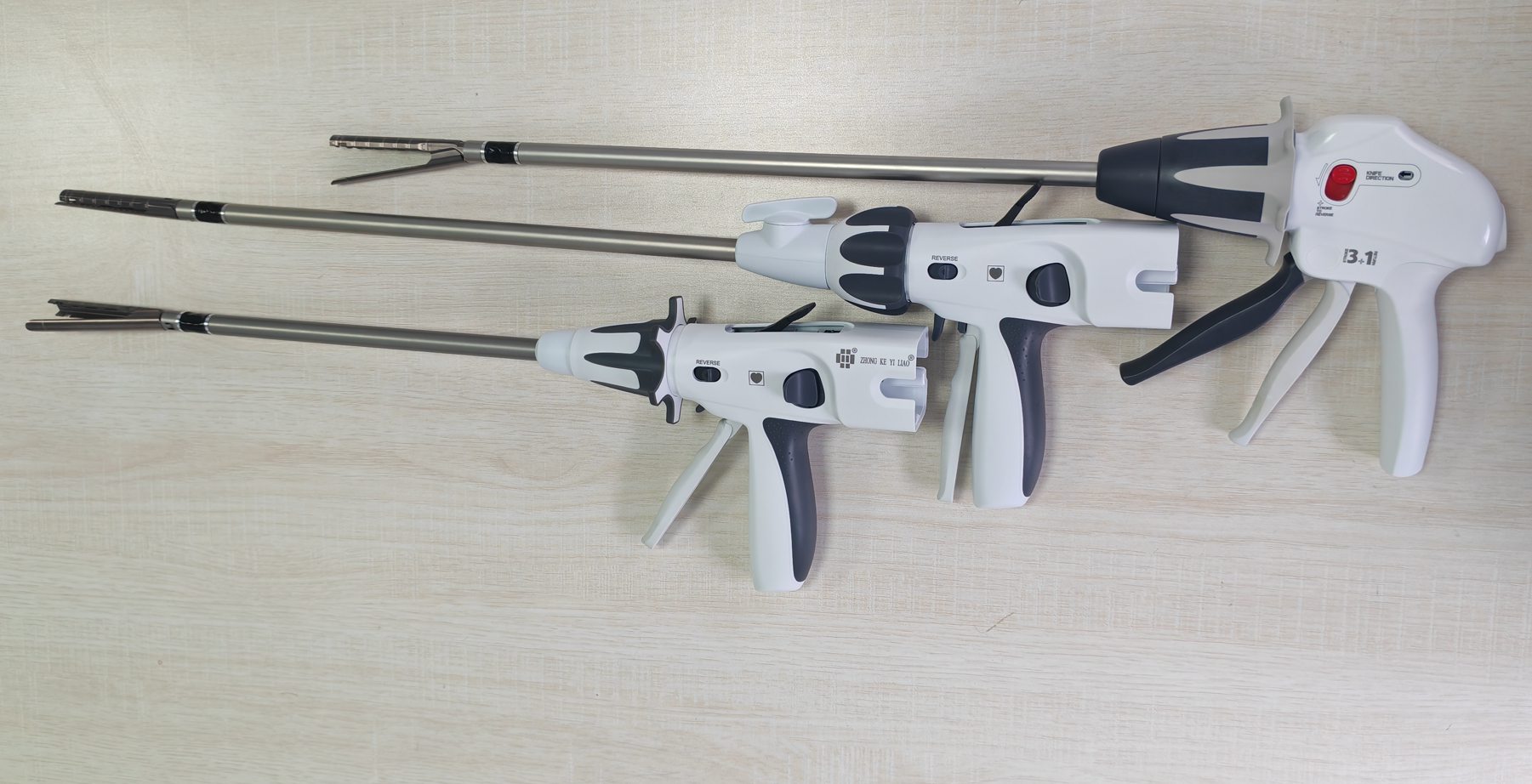
FDA surgical staplers are meticulously designed to facilitate a range of surgical procedures. Their core components include a loading cartridge containing pre-formed staples, a staple deployment mechanism, and an ergonomic handle that allows for precise control during surgery.
One key aspect of their design is the **staple formation**. Depending on the procedure, staplers can create different staple shapes – from linear to circular. This versatility enables surgeons to perform various tasks, such as anastomosis and wound closure, with tailored approaches that suit specific surgical needs.
Moreover, many modern staplers come equipped with additional features, such as **adjustable stapling techniques** and **integrated imaging systems**. These innovations allow surgeons to visualize the stapling process in real-time, enhancing their ability to make informed decisions during surgery.
Advantages of Using FDA Surgical Staplers
The incorporation of FDA surgical staplers in modern surgical techniques offers a multitude of advantages. Some of the key benefits include:
1. Enhanced Precision and Accuracy
Surgical staplers provide a level of precision that manual suturing often cannot match. The accurate placement of staples ensures that tissue edges are aligned correctly, promoting optimal healing and reducing complications.
2. Reduced Surgical Time
The use of staplers can significantly decrease the time required for closure compared to traditional suturing methods. Surgeons can perform procedures more efficiently, allowing for quicker patient turnover in surgical theaters.
3. Improved Patient Outcomes
Research indicates that surgical staplers contribute to improved patient outcomes, including reduced infection rates and shorter recovery times. The uniformity of staple placement creates a stronger closure, which is vital for the healing process.
4. Lower Risk of Infection
With fewer hand movements and minimal tissue manipulation, the risk of infection is lower when using staplers. The closed system minimizes exposure to contaminants, a crucial aspect of surgical safety.
5. Versatility Across Surgical Specialties
FDA surgical staplers are utilized across various surgical specialties, including general surgery, gastroenterology, and thoracic surgery. Their adaptability makes them suitable for diverse surgical challenges.
FDA Regulations and Safety Standards for Surgical Staplers
The safety and effectiveness of surgical staplers are paramount, and the FDA plays a crucial role in regulating these medical devices. Surgical staplers are classified as Class II medical devices, meaning they require a premarket notification, known as a 510(k), to demonstrate their equivalence to existing products.
The FDA mandates that manufacturers adhere to strict guidelines concerning the design, production, and quality control of surgical staplers. These regulations help ensure that the devices are safe for both patients and healthcare providers.
In addition to FDA oversight, many hospitals and surgical centers implement their internal safety protocols to monitor the use of these devices. This includes routine checks, maintenance, and training for surgical staff to ensure proper use.
Different Types of Surgical Staplers
Surgical staplers come in various forms, each tailored to specific surgical needs. Understanding the different types can help healthcare professionals select the most appropriate device for any given procedure.
1. Linear Staplers
Linear staplers are designed to create a straight line of staples, making them ideal for closing long incisions or performing anastomoses. They are commonly used in gastrointestinal and thoracic surgeries.
2. Circular Staplers
Circular staplers are used to create circular staples, often for procedures such as bowel resections. They allow for the creation of a reinforced connection between two sections of tissue.
3. Endoscopic Staplers
Endoscopic staplers are specialized for minimally invasive surgeries. Their design allows surgeons to access internal organs through small incisions, reducing recovery time and minimizing scarring.
4. Skin Staplers
Skin staplers are used for external wound closure. They are quick and easy to apply, making them suitable for emergency situations or surface-level incisions.
5. Specialty Staplers
Some surgical staplers are designed for specific applications, such as vascular surgeries or orthopedic procedures. These specialty staplers have unique designs that cater to their intended use.
The Future of Surgical Stapling Technology
Looking ahead, the future of surgical stapling technology is promising. Advances in robotics and automation are set to enhance the precision of staplers even further. Companies are also exploring the integration of **smart technology**, enabling staplers to provide real-time feedback during procedures.
Moreover, ongoing research into new materials could lead to biodegradable staples, reducing the need for removal and further minimizing patient discomfort. As these technologies develop, they will likely improve the overall efficiency and safety of surgical procedures.
Conclusion
FDA surgical staplers have become a cornerstone of modern surgical techniques, enhancing the effectiveness and safety of surgical procedures across various specialties. Their design, functionality, and adherence to strict safety standards have established them as reliable tools for surgeons worldwide.
As we continue to innovate and refine these devices, the future of surgical stapling technology is bright. By embracing advancements in materials and technology, surgical staplers will undoubtedly evolve to meet the needs of healthcare providers and patients alike.
Frequently Asked Questions (FAQs)
1. What is a surgical stapler?
A surgical stapler is a medical device used to close wounds or connect tissues during surgical procedures by placing staples.
2. Are FDA surgical staplers safe to use?
Yes, FDA surgical staplers are regulated by the FDA, which ensures they meet strict safety standards.
3. How do surgical staplers differ from sutures?
Surgical staplers provide a faster, more efficient method of closing wounds compared to traditional sutures, offering enhanced precision.
4. Can surgical staplers be used in minimally invasive surgeries?
Yes, there are specific types of surgical staplers designed for use in minimally invasive surgeries, allowing for greater access and reduced recovery times.
5. What are the benefits of using surgical staplers in surgical procedures?
The benefits include enhanced precision, reduced surgical time, improved patient outcomes, lower infection risk, and versatility across various surgical specialties.
fda surgical staplers
Contact
Contacts: Jenny Pan
Address: Liandong U-Valley Medical and Health Industry Park, Hefei City, Anhui Province


