


Understanding the Role and Benefits of Laparoscopic Linear Staplers in Modern Surgery
Laparoscopic linear staplers play a crucial role in modern surgical practices, particularly in minimally invasive procedures. These devices are designed to join tissues during surgeries, enabling surgeons to perform complex operations with precision and reduced recovery times for patients. As the field of surgery continues to evolve, understanding the functionality and benefits of laparoscopic lin
Laparoscopic linear staplers play a crucial role in modern surgical practices, particularly in minimally invasive procedures. These devices are designed to join tissues during surgeries, enabling surgeons to perform complex operations with precision and reduced recovery times for patients. As the field of surgery continues to evolve, understanding the functionality and benefits of laparoscopic linear staplers is essential for both medical professionals and patients.
One of the primary advantages of laparoscopic linear staplers is their ability to facilitate quick and efficient tissue closure. Unlike traditional suturing techniques, which can be time-consuming and require a significant amount of skill, these staplers provide a straightforward mechanism for joining tissues. Surgeons can apply multiple rows of staples simultaneously, which not only speeds up the procedure but also enhances the overall quality of the tissue approximation.
Moreover, laparoscopic linear staplers are designed to minimize trauma to surrounding tissues. The use of these devices allows for smaller incisions, which is a hallmark of laparoscopic surgery. Smaller incisions typically result in less pain, reduced blood loss, and a faster recovery time for patients. This minimally invasive approach has revolutionized many surgical disciplines, including bariatric surgery, gastrointestinal surgery, and thoracic surgery.
Safety is another critical aspect of laparoscopic linear staplers. They are engineered with advanced features that ensure consistent staple formation and proper tissue approximation. Many devices come equipped with sensors that provide real-time feedback during the stapling process, allowing surgeons to make immediate adjustments if necessary. This level of precision is vital for ensuring successful surgical outcomes and minimizing the risk of complications.
Furthermore, the versatility of laparoscopic linear staplers makes them suitable for various surgical applications. They can be utilized in procedures such as resections, anastomoses, and organ removal, adapting to different tissue types and thicknesses. This adaptability is particularly beneficial in complex surgeries where precision is paramount.
In conclusion, laparoscopic linear staplers are indispensable tools in contemporary surgery that enhance efficiency, safety, and patient recovery. Their innovative design allows for minimal invasiveness while maintaining high standards of care. As surgical techniques continue to advance, the role of these devices will likely expand, making them a key component in the future of surgical practice. Understanding their benefits can help patients and healthcare providers make informed decisions regarding surgical options.
One of the primary advantages of laparoscopic linear staplers is their ability to facilitate quick and efficient tissue closure. Unlike traditional suturing techniques, which can be time-consuming and require a significant amount of skill, these staplers provide a straightforward mechanism for joining tissues. Surgeons can apply multiple rows of staples simultaneously, which not only speeds up the procedure but also enhances the overall quality of the tissue approximation.
Moreover, laparoscopic linear staplers are designed to minimize trauma to surrounding tissues. The use of these devices allows for smaller incisions, which is a hallmark of laparoscopic surgery. Smaller incisions typically result in less pain, reduced blood loss, and a faster recovery time for patients. This minimally invasive approach has revolutionized many surgical disciplines, including bariatric surgery, gastrointestinal surgery, and thoracic surgery.
Safety is another critical aspect of laparoscopic linear staplers. They are engineered with advanced features that ensure consistent staple formation and proper tissue approximation. Many devices come equipped with sensors that provide real-time feedback during the stapling process, allowing surgeons to make immediate adjustments if necessary. This level of precision is vital for ensuring successful surgical outcomes and minimizing the risk of complications.
Furthermore, the versatility of laparoscopic linear staplers makes them suitable for various surgical applications. They can be utilized in procedures such as resections, anastomoses, and organ removal, adapting to different tissue types and thicknesses. This adaptability is particularly beneficial in complex surgeries where precision is paramount.
In conclusion, laparoscopic linear staplers are indispensable tools in contemporary surgery that enhance efficiency, safety, and patient recovery. Their innovative design allows for minimal invasiveness while maintaining high standards of care. As surgical techniques continue to advance, the role of these devices will likely expand, making them a key component in the future of surgical practice. Understanding their benefits can help patients and healthcare providers make informed decisions regarding surgical options.
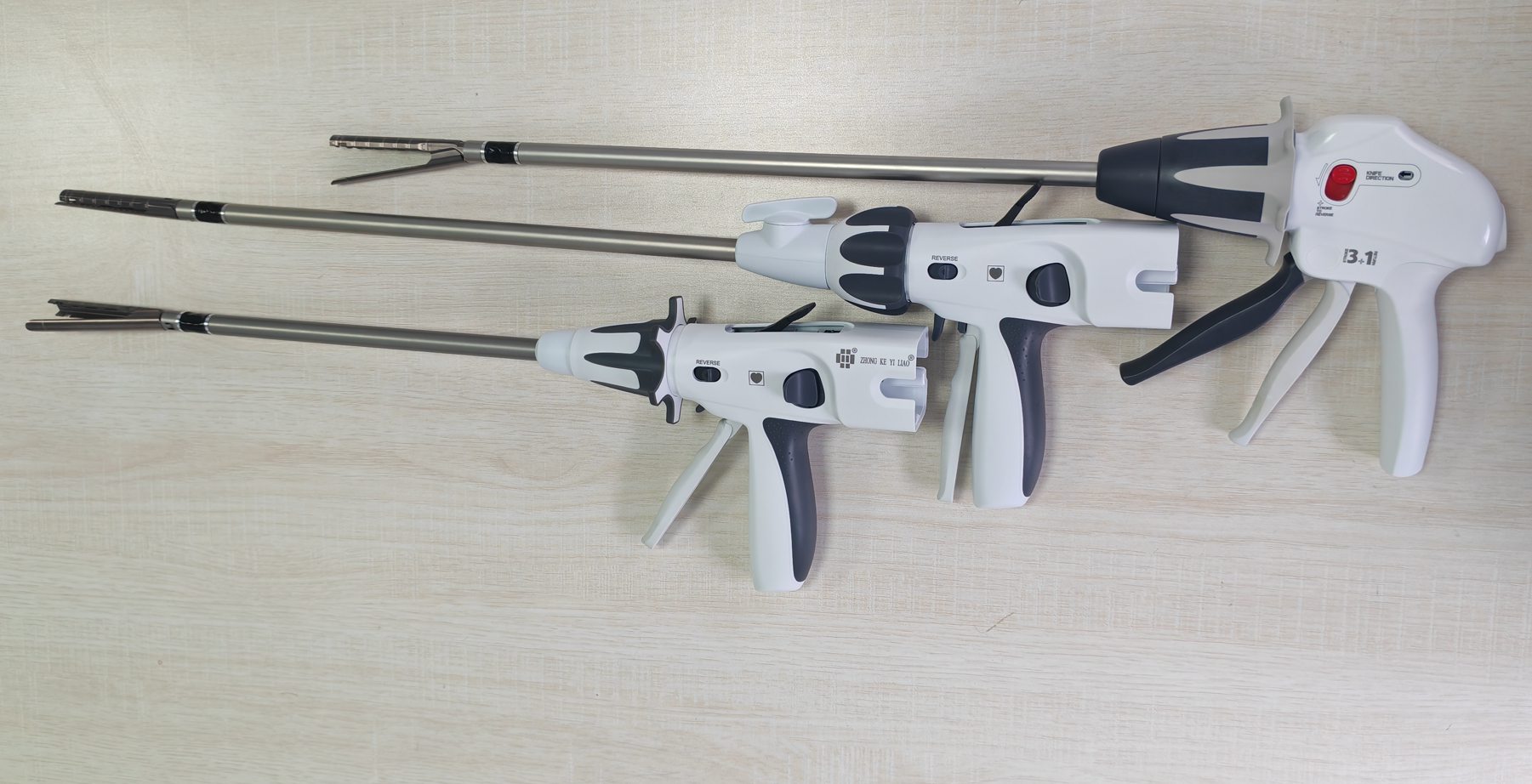
laparoscopic linear stapler
Contact
Contacts: Jenny Pan
Address: Liandong U-Valley Medical and Health Industry Park, Hefei City, Anhui Province


