


Choosing the Right Ligating and Dividing Stapler for Your Surgical Needs
Choosing the Right Ligating and Dividing Stapler for Your Surgical Needs
Table of Contents
Introduction to Ligating and Dividing Staplers
Understanding Different Types of Ligating and Dividing Staplers
Linear Staplers
Circular Staplers
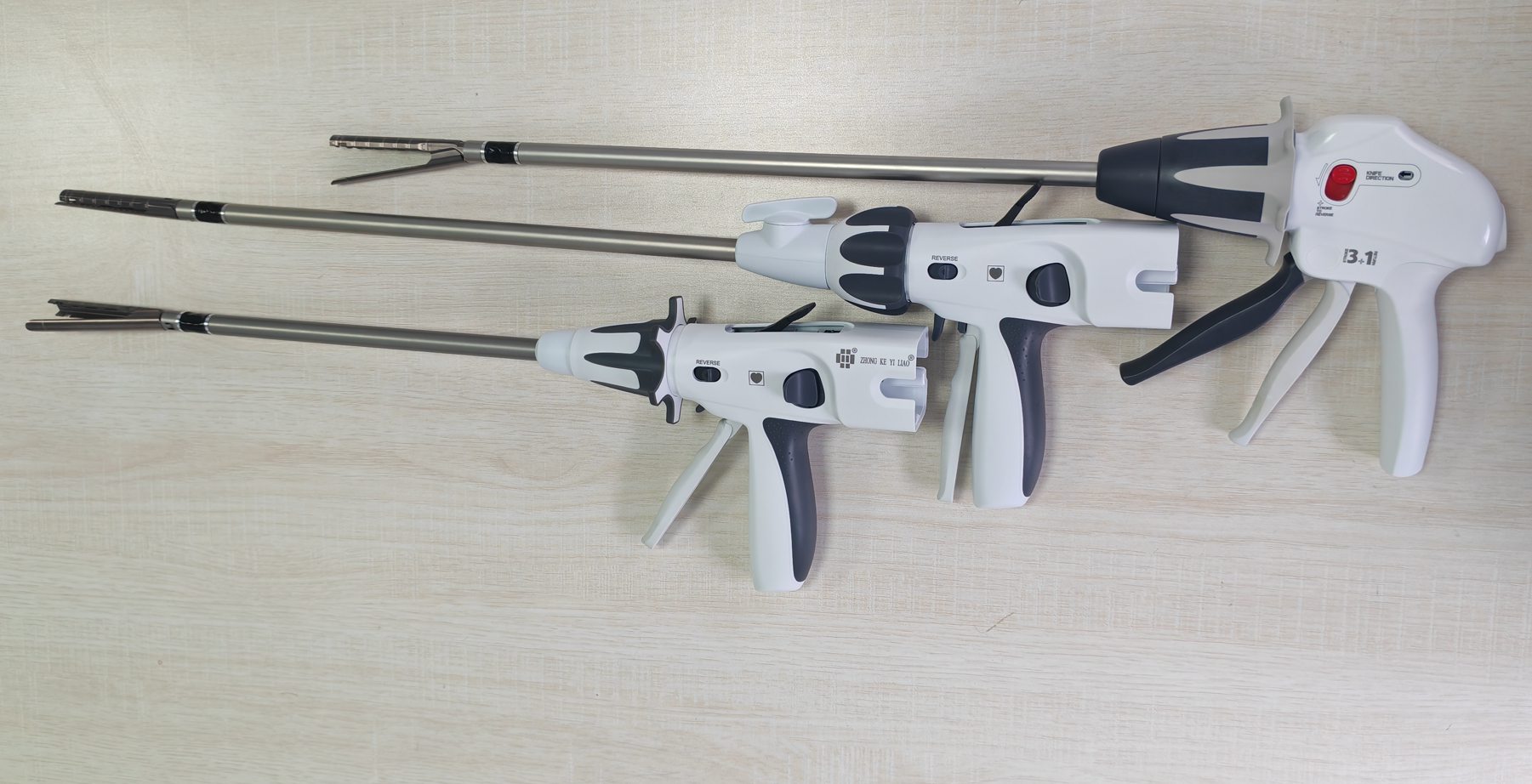
Endoscopic Staplers
Key Features to Consider When Choosing a Stapler
Size an
Choosing the Right Ligating and Dividing Stapler for Your Surgical Needs
Table of Contents
- Introduction to Ligating and Dividing Staplers
- Understanding Different Types of Ligating and Dividing Staplers
- Key Features to Consider When Choosing a Stapler
- Surgical Applications of Ligating and Dividing Staplers
- Comparing Leading Brands
- Cost Analysis of Ligating and Dividing Staplers
- Training and Support for Optimal Use
- Frequently Asked Questions
- Conclusion
Introduction to Ligating and Dividing Staplers
Ligating and dividing staplers are essential surgical instruments designed to efficiently close tissue and create specific anatomical structures. These devices play a pivotal role in both open and minimally invasive surgeries, offering surgeons precision and reliability during critical procedures. Understanding the fundamental workings of these staplers, as well as the various types available, is crucial for any medical professional involved in surgical operations.
Understanding Different Types of Ligating and Dividing Staplers
When selecting a ligating and dividing stapler, it is imperative to understand the different types available in the market. Each design serves specific purposes and is tailored to meet the diverse needs of surgical practices.
Linear Staplers
Linear staplers are designed for straight-line applications, making them ideal for resection and anastomosis procedures. These staplers are equipped with a mechanism that allows for multiple rows of staples to be applied simultaneously, ensuring a secure closure of tissue layers. Their versatility makes them suitable for various surgical specialties, including gastrointestinal, thoracic, and gynecological surgeries.
Circular Staplers
Circular staplers, as the name suggests, are designed to create circular closures. They are predominantly used in procedures such as bowel resections and anastomoses, where a circular closure is required. The design of these staplers allows for consistent staple formation and tissue compression, enhancing the healing process.
Endoscopic Staplers
Endoscopic staplers are specially designed for use in minimally invasive surgeries. These staplers feature a compact design and are often equipped with articulating tips to facilitate access to hard-to-reach areas. Their ability to operate effectively in confined spaces makes them indispensable in laparoscopic procedures.
Key Features to Consider When Choosing a Stapler
Choosing the right ligating and dividing stapler involves understanding several critical features that influence both performance and outcomes.
Size and Design
The size and design of a stapler significantly impact its usability in various surgical scenarios. It is essential to select a stapler that matches the specific anatomical requirements of the procedure. For instance, larger staplers may be more suitable for abdominal surgeries, while smaller, more compact designs are preferable for minimally invasive procedures.
Material Quality
The material quality of the stapler is another vital consideration. High-quality materials ensure durability and reliable performance during surgery. Surgeons should look for staplers made from medical-grade stainless steel or other advanced materials that can withstand the rigors of surgical environments.
Staple Options
Different staplers offer various types of staples, each designed for specific tissue types and closure requirements. It is crucial to choose a stapler that provides staple options compatible with the surgical procedure to ensure optimal tissue closure and healing.
Surgical Applications of Ligating and Dividing Staplers
Ligating and dividing staplers find application across various surgical specialties. Understanding these applications helps in selecting the appropriate stapler for specific procedures.
In gastrointestinal surgeries, linear staplers are often employed for bowel resections, while circular staplers are used for end-to-end anastomoses. In thoracic surgeries, staplers assist in lung resections and pleural closures. Additionally, gynecological surgeries utilize staplers for tubal ligation and other procedures requiring precise tissue closure.
Comparing Leading Brands
The market offers several reputable brands known for their quality ligating and dividing staplers. Conducting a thorough comparison of these brands can aid in making an informed decision.
Some of the leading brands include:
- **Ethicon**: Renowned for its advanced stapling technology, Ethicon offers a wide range of staplers suitable for various surgical needs.
- **Medtronic**: Known for innovative designs, Medtronic provides staplers that enhance performance and surgical outcomes.
- **Covidien**: This brand focuses on producing reliable and effective staplers used in diverse surgical applications.
Evaluating the specific features of each brand, along with user feedback, can lead to better decision-making.
Cost Analysis of Ligating and Dividing Staplers
Cost is often a decisive factor when selecting surgical instruments. Ligating and dividing staplers vary in price based on features, brand reputation, and material quality. While it may be tempting to opt for lower-cost options, it is essential to weigh the potential long-term savings against the risks associated with using inferior products.
Investing in high-quality staplers can minimize complications, reduce operating time, and ultimately lead to better patient outcomes.
Training and Support for Optimal Use
Proper training and support are integral to the effective use of ligating and dividing staplers. Many manufacturers offer training programs and resources to ensure that surgical teams are well-versed in their products. Familiarizing oneself with the stapler's operation can enhance precision and efficiency in the operating room.
Additionally, having access to customer support can be invaluable when addressing questions or issues that arise during surgical procedures.
Frequently Asked Questions
1. What is the primary function of ligating and dividing staplers?
Ligating and dividing staplers are primarily used to close tissue securely during surgical procedures. They provide a fast and efficient means of creating anastomoses and resections.
2. How do I know which type of stapler to choose for my procedure?
The choice of stapler depends on the specific requirements of the surgical procedure, including the type of tissue being closed and the desired closure technique. Consulting with surgical colleagues and considering the unique aspects of your case will help guide your decision.
3. Are there any risks associated with using ligating and dividing staplers?
While ligating and dividing staplers are designed for safety, risks may include staple misfires, inadequate closure, or tissue damage. Proper training and adherence to guidelines can mitigate these risks.
4. Can ligating and dividing staplers be reused?
Most ligating and dividing staplers are designed for single use to ensure sterilization and reliability. Reusing these instruments can compromise patient safety.
5. How can I stay updated on advancements in stapler technology?
Attending surgical conferences, participating in workshops, and following medical journals are excellent ways to stay informed about advancements in ligating and dividing stapler technology.
Conclusion
Selecting the right ligating and dividing stapler is a crucial decision that can significantly impact surgical outcomes. By understanding the various types of staplers, their key features, and the applications for which they are suited, medical professionals can make informed choices that enhance patient care. Continued education and awareness of technological advancements will further empower surgeons in their practice. Making a well-informed selection ultimately leads to better surgical precision, improved patient safety, and optimal recovery outcomes.
ligating and dividing stapler
Contact
Contacts: Jenny Pan
Address: Liandong U-Valley Medical and Health Industry Park, Hefei City, Anhui Province


