


Understanding FDA Surgical Staplers: Essential Insights for Healthcare Professionals
Surgical staplers have become an indispensable tool in modern medicine, particularly within surgical environments. FDA surgical staplers are specifically designed to facilitate efficient and secure tissue closure during various surgical procedures. These devices significantly streamline the process compared to traditional suturing methods, offering numerous advantages for both surgeons and patient
Surgical staplers have become an indispensable tool in modern medicine, particularly within surgical environments. FDA surgical staplers are specifically designed to facilitate efficient and secure tissue closure during various surgical procedures. These devices significantly streamline the process compared to traditional suturing methods, offering numerous advantages for both surgeons and patients.
One of the primary benefits of FDA surgical staplers is their ability to reduce surgical time. With advancements in technology, these staplers can quickly and effectively close wounds, allowing surgeons to focus on other critical aspects of the procedure. This efficiency is particularly crucial in emergency surgeries where time is of the essence.
Furthermore, FDA surgical staplers often lead to improved patient outcomes. The staples create strong, consistent closures that can minimize the risk of complications, such as wound dehiscence (the reopening of a wound). The precision offered by these devices also contributes to reduced tissue trauma, which can enhance healing and decrease pain for patients post-operation.
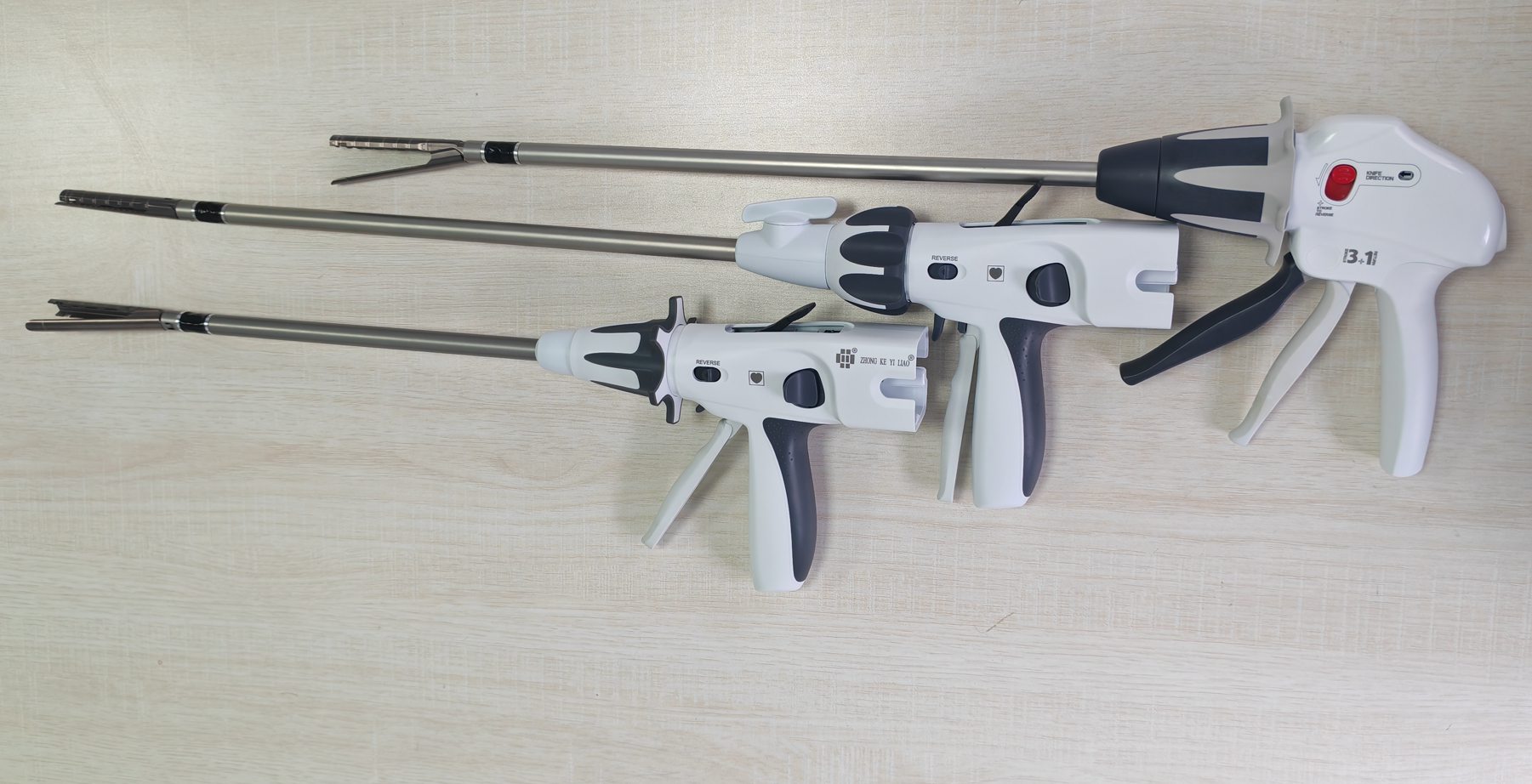
It is essential to understand that the use of FDA surgical staplers comes with considerations. Surgeons must be adequately trained in their application and aware of the specific indications and contraindications for each type of stapler. Different procedures may necessitate varying types of staplers, including linear staplers, circular staplers, and endoscopic staplers, each designed for specific functions within the surgical field.
Additionally, healthcare professionals should be informed about the potential complications associated with surgical staplers. Issues such as staple misfire, incorrect staple placement, or even allergic reactions to materials used in staplers can occur. Therefore, it remains crucial for medical staff to conduct comprehensive assessments before, during, and after surgery to ensure that no complications arise.
In summary, FDA surgical staplers are a vital component of modern surgical techniques, providing efficiency and improved patient outcomes. However, they require a deep understanding of their use, training, and awareness of potential complications. As the medical field continues to evolve, the role of these devices will likely become even more significant, emphasizing the need for ongoing education and training among healthcare professionals. By staying informed and adaptable in their practices, surgeons can ensure the best possible care for their patients, maximizing the benefits offered by FDA surgical staplers.
One of the primary benefits of FDA surgical staplers is their ability to reduce surgical time. With advancements in technology, these staplers can quickly and effectively close wounds, allowing surgeons to focus on other critical aspects of the procedure. This efficiency is particularly crucial in emergency surgeries where time is of the essence.
Furthermore, FDA surgical staplers often lead to improved patient outcomes. The staples create strong, consistent closures that can minimize the risk of complications, such as wound dehiscence (the reopening of a wound). The precision offered by these devices also contributes to reduced tissue trauma, which can enhance healing and decrease pain for patients post-operation.
It is essential to understand that the use of FDA surgical staplers comes with considerations. Surgeons must be adequately trained in their application and aware of the specific indications and contraindications for each type of stapler. Different procedures may necessitate varying types of staplers, including linear staplers, circular staplers, and endoscopic staplers, each designed for specific functions within the surgical field.
Additionally, healthcare professionals should be informed about the potential complications associated with surgical staplers. Issues such as staple misfire, incorrect staple placement, or even allergic reactions to materials used in staplers can occur. Therefore, it remains crucial for medical staff to conduct comprehensive assessments before, during, and after surgery to ensure that no complications arise.
In summary, FDA surgical staplers are a vital component of modern surgical techniques, providing efficiency and improved patient outcomes. However, they require a deep understanding of their use, training, and awareness of potential complications. As the medical field continues to evolve, the role of these devices will likely become even more significant, emphasizing the need for ongoing education and training among healthcare professionals. By staying informed and adaptable in their practices, surgeons can ensure the best possible care for their patients, maximizing the benefits offered by FDA surgical staplers.
fda surgical staplers
Contact
Contacts: Jenny Pan
Address: Liandong U-Valley Medical and Health Industry Park, Hefei City, Anhui Province


