


A Comprehensive Guide to Ligating and Dividing Staplers in Healthcare
A Comprehensive Guide to Ligating and Dividing Staplers in Healthcare
Table of Contents
1. Introduction to Ligating and Dividing Staplers
2. Understanding the Device: What Is a Ligating and Dividing Stapler?
3. Types of Ligating and Dividing Staplers
3.1 Linear Staplers
3.2 Circular Staplers
3.3 Specialized Staplers
4. Benefits of Using Ligating and Dividing St
A Comprehensive Guide to Ligating and Dividing Staplers in Healthcare
Table of Contents
- 1. Introduction to Ligating and Dividing Staplers
- 2. Understanding the Device: What Is a Ligating and Dividing Stapler?
- 3. Types of Ligating and Dividing Staplers
- 4. Benefits of Using Ligating and Dividing Staplers in Healthcare
- 5. Applications of Ligating and Dividing Staplers in Surgical Procedures
- 6. Safety and Precision in Using Staplers
- 7. The Future of Ligating and Dividing Staplers in Healthcare
- 8. Frequently Asked Questions (FAQs)
- 9. Conclusion
1. Introduction to Ligating and Dividing Staplers
In the realm of modern surgical practices, **ligating and dividing staplers** have become indispensable tools in various medical procedures. These devices streamline surgical techniques, ensuring efficiency and enhancing patient outcomes. This guide aims to provide a thorough understanding of ligating and dividing staplers, their types, benefits, applications, and future advancements in healthcare.
2. Understanding the Device: What Is a Ligating and Dividing Stapler?
A ligating and dividing stapler is a surgical instrument designed to simultaneously secure and cut tissue or vessels during surgical procedures. This dual functionality reduces the time taken for operations and minimizes trauma to surrounding tissues. Unlike traditional suturing methods, these staplers provide a quick, reliable, and effective means of achieving hemostasis.
How Ligating and Dividing Staplers Work
Ligating and dividing staplers operate using a mechanism that applies pressure to the tissue, creating a secure closure with metal staples while cutting through the tissue with a built-in blade. The design allows for precision, ensuring that the staples are placed accurately to achieve optimal closure without compromising tissue integrity.
3. Types of Ligating and Dividing Staplers
Ligating and dividing staplers are categorized based on their design and application. Understanding these types is crucial for selecting the right stapler for specific surgical scenarios.
3.1 Linear Staplers
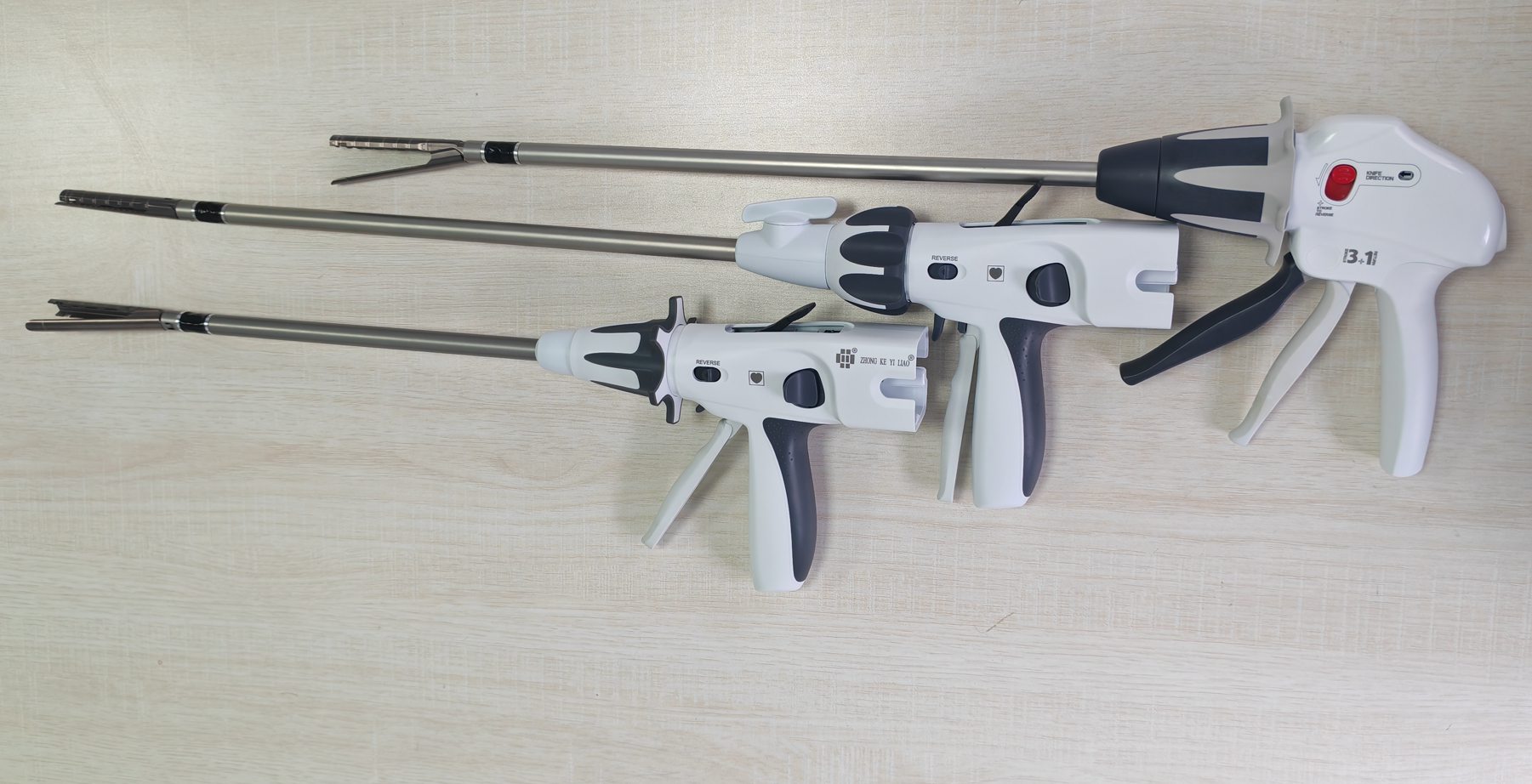
Linear staplers are commonly used in procedures requiring long, straight closures. They are ideal for gastrointestinal surgeries, as they facilitate the resection and anastomosis of bowel segments. The linear design allows for uniform staple placement, ensuring a secure closure with minimal risk of leakage.
3.2 Circular Staplers
Circular staplers are designed for procedures that require a circular closure, such as in colorectal surgery. They provide an efficient means to create anastomoses by firing a double row of staples around the tissue, promoting rapid healing and reducing the likelihood of complications.
3.3 Specialized Staplers
Specialized staplers are tailored for specific surgical applications. Examples include endoscopic staplers used in minimally invasive surgeries and pediatric staplers designed for smaller anatomical structures. These specialized tools enhance the versatility of surgical procedures, allowing for improved outcomes across various patient populations.
4. Benefits of Using Ligating and Dividing Staplers in Healthcare
The integration of ligating and dividing staplers in surgical practices offers numerous advantages over traditional suturing techniques.
Enhanced Surgical Efficiency
Using ligating and dividing staplers significantly reduces the time required for surgical procedures. The ability to secure and cut simultaneously means that surgeons can complete complex tasks in a fraction of the time, leading to shorter operating room times.
Improved Hemostasis
These staplers provide effective hemostasis, minimizing blood loss during surgery. The secure closure offered by the staples ensures that blood vessels are properly ligated, reducing the risk of postoperative complications.
Minimized Tissue Trauma
Compared to traditional sutures, staplers cause less trauma to surrounding tissues. The precision of staple placement reduces the risk of tissue ischemia, promoting faster healing and recovery for patients.
Consistency and Reliability
The design of ligating and dividing staplers allows for consistent staple placement, leading to predictable outcomes. Surgeons can rely on these devices to perform effectively across various surgical scenarios.
5. Applications of Ligating and Dividing Staplers in Surgical Procedures
Ligating and dividing staplers are employed in a wide range of surgical specialties, including:
Gastrointestinal Surgery
In gastrointestinal procedures, these staplers facilitate bowel resections and anastomoses, ensuring rapid recovery while minimizing complications.
Thoracic Surgery
In thoracic surgeries, ligating and dividing staplers are used for lung resections and to secure pulmonary vessels, enhancing surgical efficiency and patient safety.
Obstetrics and Gynecology
These staplers play a crucial role in obstetric procedures, such as cesarean sections and gynecological surgeries, where rapid closure is essential for minimizing blood loss.
6. Safety and Precision in Using Staplers
While ligating and dividing staplers enhance surgical efficiency, their use requires thorough understanding and training. Surgeons must be familiar with the specific stapler being utilized to ensure safe operations.
Proper Training and Usage
Surgeons and healthcare professionals must complete comprehensive training on the operation of ligating and dividing staplers. Understanding the intricacies of each device enables accurate application, reducing the likelihood of complications.
Common Complications and How to Avoid Them
Despite their advantages, improper use of staplers may lead to complications such as staple line leakage or tissue ischemia. Surgeons should remain vigilant about the anatomical structures involved and appropriately select the stapler based on the specific surgical scenario.
7. The Future of Ligating and Dividing Staplers in Healthcare
The future of ligating and dividing staplers is promising, with advancements in technology paving the way for enhanced surgical tools. Innovations are focused on improving the precision, functionality, and safety of these devices.
Technological Advancements
Emerging technologies, such as robotic-assisted surgery and smart staplers equipped with sensors, are set to revolutionize surgical practices. These innovations will allow for greater precision and the potential integration of real-time feedback during procedures.
Research and Development
Continuous research is being conducted to refine ligating and dividing staplers further. Future developments may lead to specialized devices tailored for unique surgical challenges, enhancing the versatility and effectiveness of surgical interventions.
8. Frequently Asked Questions (FAQs)
What are ligating and dividing staplers used for?
Ligating and dividing staplers are used in surgical procedures to simultaneously secure and cut tissue, thereby facilitating efficient closure and hemostasis.
How do ligating and dividing staplers differ from traditional sutures?
Unlike traditional sutures, which require multiple steps to secure tissue, ligating and dividing staplers combine ligation and cutting into a single action, significantly reducing surgical time and trauma.
Are ligating and dividing staplers safe to use?
Yes, when used properly by trained professionals, ligating and dividing staplers are considered safe and effective surgical tools.
What types of surgeries commonly utilize ligating and dividing staplers?
These staplers are commonly used in gastrointestinal, thoracic, obstetric, and gynecological surgeries, among others.
What advancements can we expect in ligating and dividing staplers?
Future advancements may include robotic-assisted staplers, smart technology integration, and devices specifically designed for unique surgical scenarios, enhancing precision and efficiency in surgical procedures.
9. Conclusion
In summary, ligating and dividing staplers represent a significant advancement in surgical technology, offering numerous benefits that enhance surgical efficiency and patient outcomes. By understanding the types, applications, and future innovations of these devices, healthcare professionals can make informed decisions to improve surgical practices. As technology continues to evolve, ligating and dividing staplers will undoubtedly play a crucial role in shaping the future of healthcare, ensuring safer and more effective surgical interventions.
ligating and dividing stapler
Contact
Contacts: Jenny Pan
Address: Liandong U-Valley Medical and Health Industry Park, Hefei City, Anhui Province


