


Understanding the Role of Intestinal Anastomosis Staplers in Surgical Procedures
---
In the field of surgical medicine, intestinal anastomosis staplers play a crucial role in facilitating efficient and effective surgical procedures involving the gastrointestinal tract. These specialized medical devices are designed to join two segments of intestine after a resection, allowing for the restoration of continuity in the digestive system. The process of anastomosis is vital in vari
---
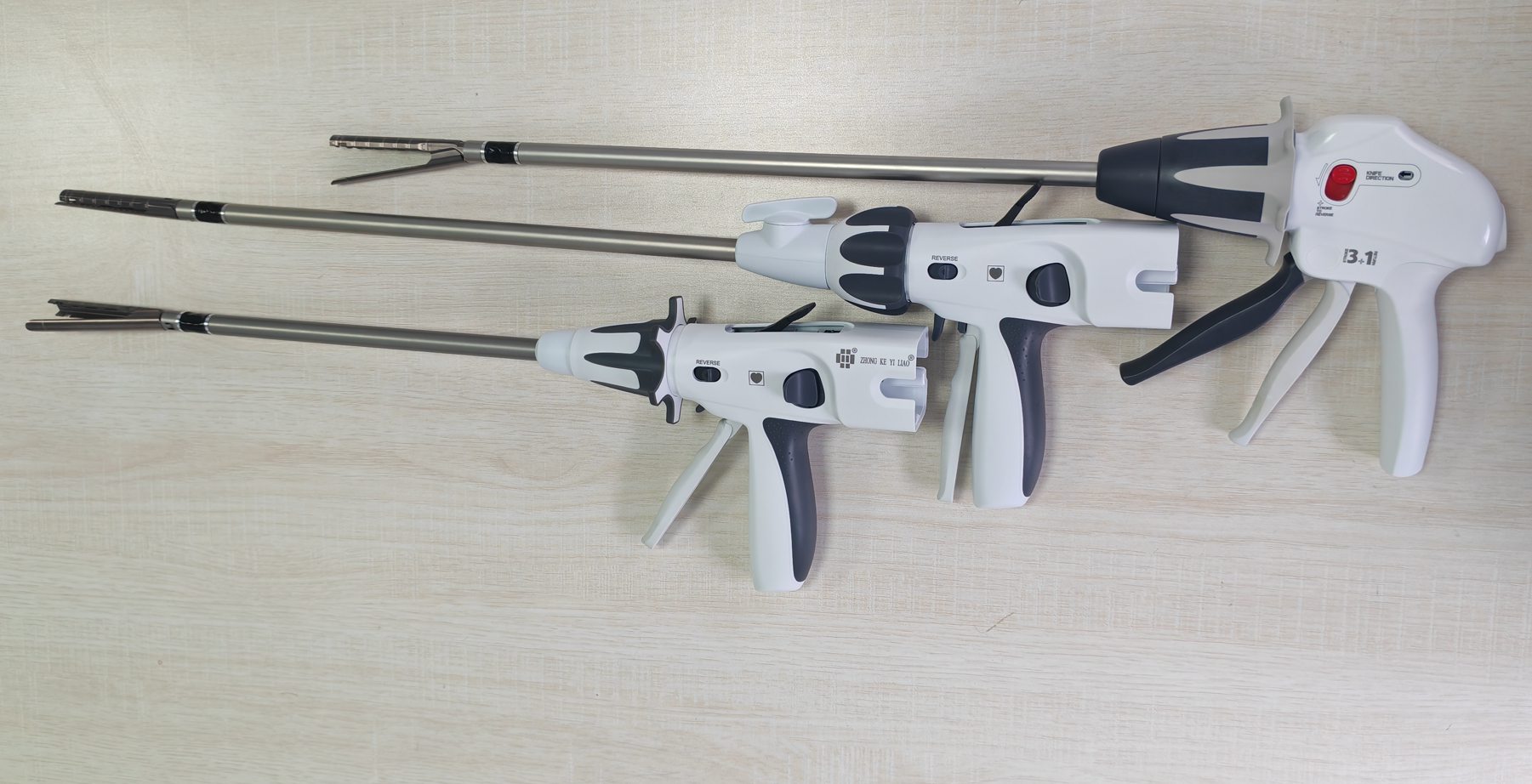
In the field of surgical medicine, intestinal anastomosis staplers play a crucial role in facilitating efficient and effective surgical procedures involving the gastrointestinal tract. These specialized medical devices are designed to join two segments of intestine after a resection, allowing for the restoration of continuity in the digestive system. The process of anastomosis is vital in various surgical interventions, notably in procedures addressing conditions such as bowel obstruction, cancer, and inflammatory bowel diseases.
One of the primary advantages of using an intestinal anastomosis stapler is the speed and precision it brings to surgical operations. Traditional hand-sewn methods can be time-consuming and may introduce variability based on the surgeon’s skill. In contrast, staplers ensure a consistent and secure closure of the intestinal walls, minimizing the risk of leakage and postoperative complications. This efficiency not only reduces the duration of surgery but also contributes to a quicker recovery for patients.
Moreover, the ergonomic design of these staplers enhances ease of use, allowing surgeons to perform complex anastomoses with greater confidence. Many modern staplers are equipped with advanced features, such as adjustable staple heights and firing mechanisms that accommodate various tissue thicknesses. These innovations help tailor the surgical approach to individual patient needs, further improving outcomes.
Another significant consideration is the impact of intestinal anastomosis staplers on patient safety. The use of staplers is associated with lower rates of complications such as anastomotic leaks, which can lead to severe consequences, including infection and prolonged hospitalization. By providing a reliable method for intestinal reconnection, these devices support better overall patient care and satisfaction.
As surgical technology continues to evolve, the development of intestinal anastomosis staplers is also advancing. Ongoing research focuses on enhancing the materials used for staples, ensuring biocompatibility, and improving the stapler designs to accommodate minimally invasive techniques. Innovations such as robotic-assisted staplers are paving the way for more precise and minimally invasive surgical interventions, further revolutionizing the field of surgery.
In conclusion, intestinal anastomosis staplers represent a significant advancement in surgical technology, providing numerous benefits in efficiency, safety, and patient outcomes. As healthcare professionals continue to adopt these tools, ongoing education and training will be essential to maximize their potential and improve surgical practices. Understanding the role of these devices is vital for any medical practitioner involved in surgical care, ensuring that they are well-equipped to implement the best practices in patient treatment.
In the field of surgical medicine, intestinal anastomosis staplers play a crucial role in facilitating efficient and effective surgical procedures involving the gastrointestinal tract. These specialized medical devices are designed to join two segments of intestine after a resection, allowing for the restoration of continuity in the digestive system. The process of anastomosis is vital in various surgical interventions, notably in procedures addressing conditions such as bowel obstruction, cancer, and inflammatory bowel diseases.
One of the primary advantages of using an intestinal anastomosis stapler is the speed and precision it brings to surgical operations. Traditional hand-sewn methods can be time-consuming and may introduce variability based on the surgeon’s skill. In contrast, staplers ensure a consistent and secure closure of the intestinal walls, minimizing the risk of leakage and postoperative complications. This efficiency not only reduces the duration of surgery but also contributes to a quicker recovery for patients.
Moreover, the ergonomic design of these staplers enhances ease of use, allowing surgeons to perform complex anastomoses with greater confidence. Many modern staplers are equipped with advanced features, such as adjustable staple heights and firing mechanisms that accommodate various tissue thicknesses. These innovations help tailor the surgical approach to individual patient needs, further improving outcomes.
Another significant consideration is the impact of intestinal anastomosis staplers on patient safety. The use of staplers is associated with lower rates of complications such as anastomotic leaks, which can lead to severe consequences, including infection and prolonged hospitalization. By providing a reliable method for intestinal reconnection, these devices support better overall patient care and satisfaction.
As surgical technology continues to evolve, the development of intestinal anastomosis staplers is also advancing. Ongoing research focuses on enhancing the materials used for staples, ensuring biocompatibility, and improving the stapler designs to accommodate minimally invasive techniques. Innovations such as robotic-assisted staplers are paving the way for more precise and minimally invasive surgical interventions, further revolutionizing the field of surgery.
In conclusion, intestinal anastomosis staplers represent a significant advancement in surgical technology, providing numerous benefits in efficiency, safety, and patient outcomes. As healthcare professionals continue to adopt these tools, ongoing education and training will be essential to maximize their potential and improve surgical practices. Understanding the role of these devices is vital for any medical practitioner involved in surgical care, ensuring that they are well-equipped to implement the best practices in patient treatment.
intestinal anastomosis stapler
Contact
Contacts: Jenny Pan
Address: Liandong U-Valley Medical and Health Industry Park, Hefei City, Anhui Province


