


The Essential Role of Laparoscopic Linear Staplers in Modern Surgical Procedures
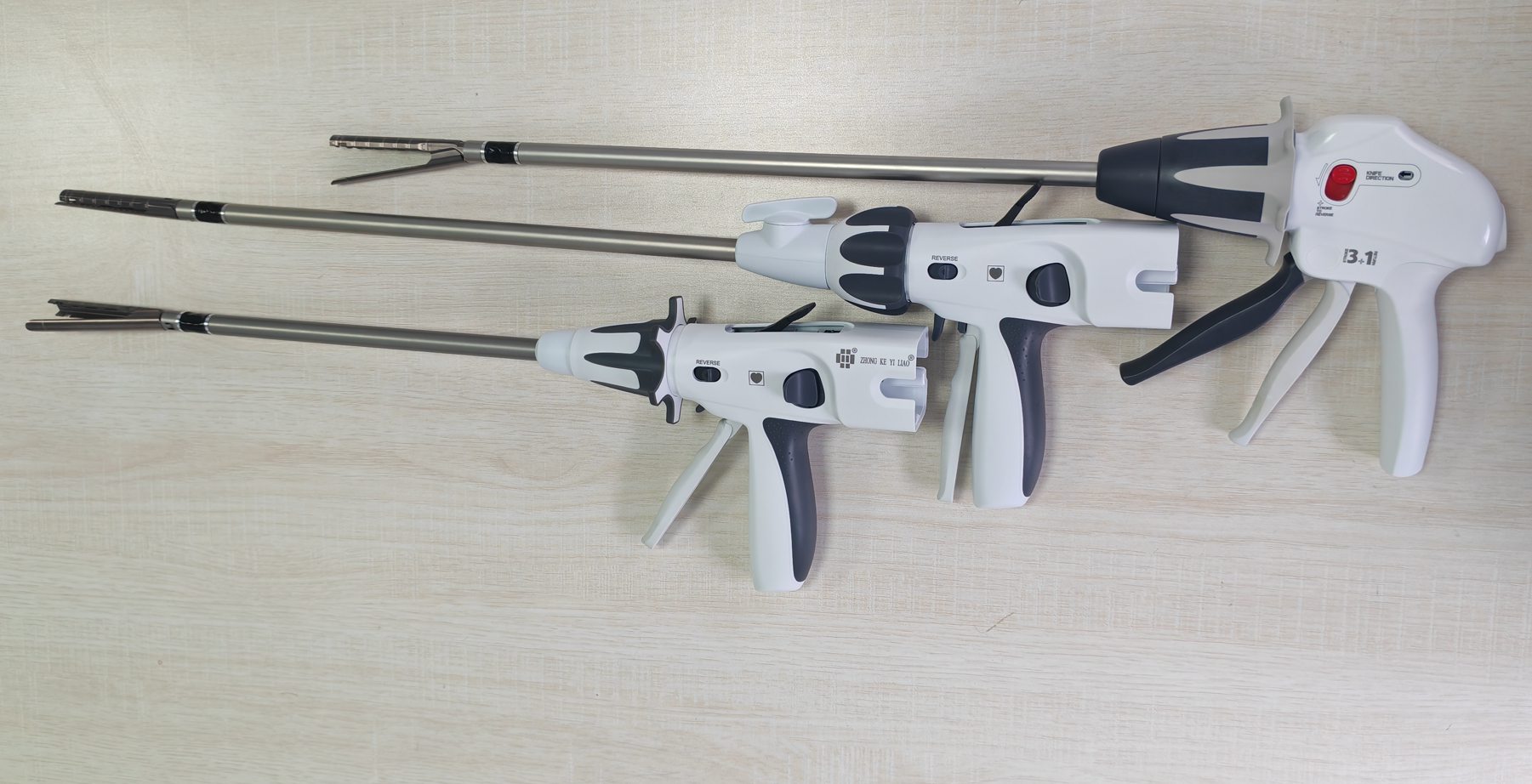
Laparoscopic linear staplers have become an essential tool in the realm of minimally invasive surgery. Designed to facilitate the surgical process, these devices allow surgeons to create secure and consistent tissue closures, which is crucial for various surgical procedures, including gastrointestinal, thoracic, and gynecological surgeries.
One of the primary advantages of laparoscopic linear stap
Laparoscopic linear staplers have become an essential tool in the realm of minimally invasive surgery. Designed to facilitate the surgical process, these devices allow surgeons to create secure and consistent tissue closures, which is crucial for various surgical procedures, including gastrointestinal, thoracic, and gynecological surgeries.
One of the primary advantages of laparoscopic linear staplers is their ability to streamline the surgical technique. Unlike traditional suturing methods, these staplers can quickly and efficiently close incisions or resected tissue, significantly reducing the time required for surgery. This efficiency not only benefits the surgical team by allowing them to focus on other critical aspects of the operation but also enhances the overall patient experience by minimizing anesthesia time and reducing the risk of complications associated with prolonged surgeries.
The design of laparoscopic linear staplers typically incorporates a loading mechanism that holds multiple staples, ensuring a uniform and secure closure. This mechanism is particularly advantageous in surgeries where precise tissue alignment is necessary, as it minimizes the risk of tissue damage and promotes optimal healing. Moreover, many modern staplers offer adjustable staple heights, which allows surgeons to tailor the device to the specific thickness of the tissue, further enhancing the accuracy of the closure.
Another critical aspect of laparoscopic linear staplers is their impact on postoperative recovery. By utilizing a minimally invasive approach, patients often experience less postoperative pain, shorter hospital stays, and quicker overall recovery times compared to traditional open surgeries. This is largely attributed to the smaller incisions made during laparoscopic procedures, which result in reduced trauma to surrounding tissues.
In addition to their clinical benefits, laparoscopic linear staplers have also shown to reduce the incidence of surgical site infections. Because these devices create tight and secure closures, the potential for gaps or openings that could harbor bacteria is minimized. This is especially important in today’s healthcare environment, where infection control is a top priority.
Despite their numerous benefits, it is essential for healthcare providers to receive proper training in the use of laparoscopic linear staplers. Understanding the mechanics of the device, as well as the indications and contraindications for its use, is vital to achieving optimal surgical outcomes. Continuous education and practice can help ensure that surgical teams are fully equipped to leverage the advantages offered by these innovative tools.
In conclusion, laparoscopic linear staplers represent a significant advancement in surgical technology, providing a reliable and efficient means of tissue closure in a variety of surgical settings. As the medical field continues to evolve, the integration of such devices will undoubtedly enhance surgical practices and improve patient outcomes.
One of the primary advantages of laparoscopic linear staplers is their ability to streamline the surgical technique. Unlike traditional suturing methods, these staplers can quickly and efficiently close incisions or resected tissue, significantly reducing the time required for surgery. This efficiency not only benefits the surgical team by allowing them to focus on other critical aspects of the operation but also enhances the overall patient experience by minimizing anesthesia time and reducing the risk of complications associated with prolonged surgeries.
The design of laparoscopic linear staplers typically incorporates a loading mechanism that holds multiple staples, ensuring a uniform and secure closure. This mechanism is particularly advantageous in surgeries where precise tissue alignment is necessary, as it minimizes the risk of tissue damage and promotes optimal healing. Moreover, many modern staplers offer adjustable staple heights, which allows surgeons to tailor the device to the specific thickness of the tissue, further enhancing the accuracy of the closure.
Another critical aspect of laparoscopic linear staplers is their impact on postoperative recovery. By utilizing a minimally invasive approach, patients often experience less postoperative pain, shorter hospital stays, and quicker overall recovery times compared to traditional open surgeries. This is largely attributed to the smaller incisions made during laparoscopic procedures, which result in reduced trauma to surrounding tissues.
In addition to their clinical benefits, laparoscopic linear staplers have also shown to reduce the incidence of surgical site infections. Because these devices create tight and secure closures, the potential for gaps or openings that could harbor bacteria is minimized. This is especially important in today’s healthcare environment, where infection control is a top priority.
Despite their numerous benefits, it is essential for healthcare providers to receive proper training in the use of laparoscopic linear staplers. Understanding the mechanics of the device, as well as the indications and contraindications for its use, is vital to achieving optimal surgical outcomes. Continuous education and practice can help ensure that surgical teams are fully equipped to leverage the advantages offered by these innovative tools.
In conclusion, laparoscopic linear staplers represent a significant advancement in surgical technology, providing a reliable and efficient means of tissue closure in a variety of surgical settings. As the medical field continues to evolve, the integration of such devices will undoubtedly enhance surgical practices and improve patient outcomes.
laparoscopic linear stapler
Contact
Contacts: Jenny Pan
Address: Liandong U-Valley Medical and Health Industry Park, Hefei City, Anhui Province


