


Exploring the Cutting-Edge Technology Behind Linear Stapling Devices in Modern Surgery
Exploring the Cutting-Edge Technology Behind Linear Stapling Devices in Modern Surgery
Table of Contents
Introduction to Linear Stapling Devices
A Brief History of Surgical Stapling Technology
How Linear Stapling Devices Work: A Deep Dive
Key Features of Modern Linear Stapling Devices
Applications of Linear Stapling Devices in Surgery
Benefits of Using Linear
Exploring the Cutting-Edge Technology Behind Linear Stapling Devices in Modern Surgery
Table of Contents
- Introduction to Linear Stapling Devices
- A Brief History of Surgical Stapling Technology
- How Linear Stapling Devices Work: A Deep Dive
- Key Features of Modern Linear Stapling Devices
- Applications of Linear Stapling Devices in Surgery
- Benefits of Using Linear Stapling Devices
- Future Innovations in Linear Stapling Technology
- Frequently Asked Questions
- Conclusion
Introduction to Linear Stapling Devices
In the realm of modern surgical practices, **linear stapling devices** play a pivotal role, offering surgeons a reliable and efficient method to achieve secure tissue closure. These devices, designed for various surgical procedures, have transformed how incisions are closed, making them an essential tool in the operating room. As we explore the intricacies of linear stapling devices, we will highlight their technology, applications, and the significant benefits they offer both surgeons and patients.
A Brief History of Surgical Stapling Technology
The origins of surgical stapling can be traced back to the early 20th century when the first manual staplers were introduced. However, it was not until the 1970s that the concept of linear stapling devices emerged. These devices were designed to facilitate a more efficient and precise method of securing tissues during surgical procedures. Over the decades, advancements in materials and technology have led to the development of **automated linear staplers**, which have revolutionized the surgical landscape.
Evolution of Stapling Technology
From the early hand-held devices to today's sophisticated automated systems, the evolution of linear stapling technology has been driven by a need for improved surgical outcomes. Innovations such as **reloadable cartridges**, which allow for multiple uses, and the incorporation of **advanced materials** like titanium and absorbable polymers, have enhanced the performance and safety of these devices.
How Linear Stapling Devices Work: A Deep Dive
Understanding the mechanics of linear stapling devices is crucial for appreciating their impact on surgical practices. These devices function by delivering a series of staples in a straight line, effectively bringing together two edges of tissue.
The Mechanism Behind Linear Staplers
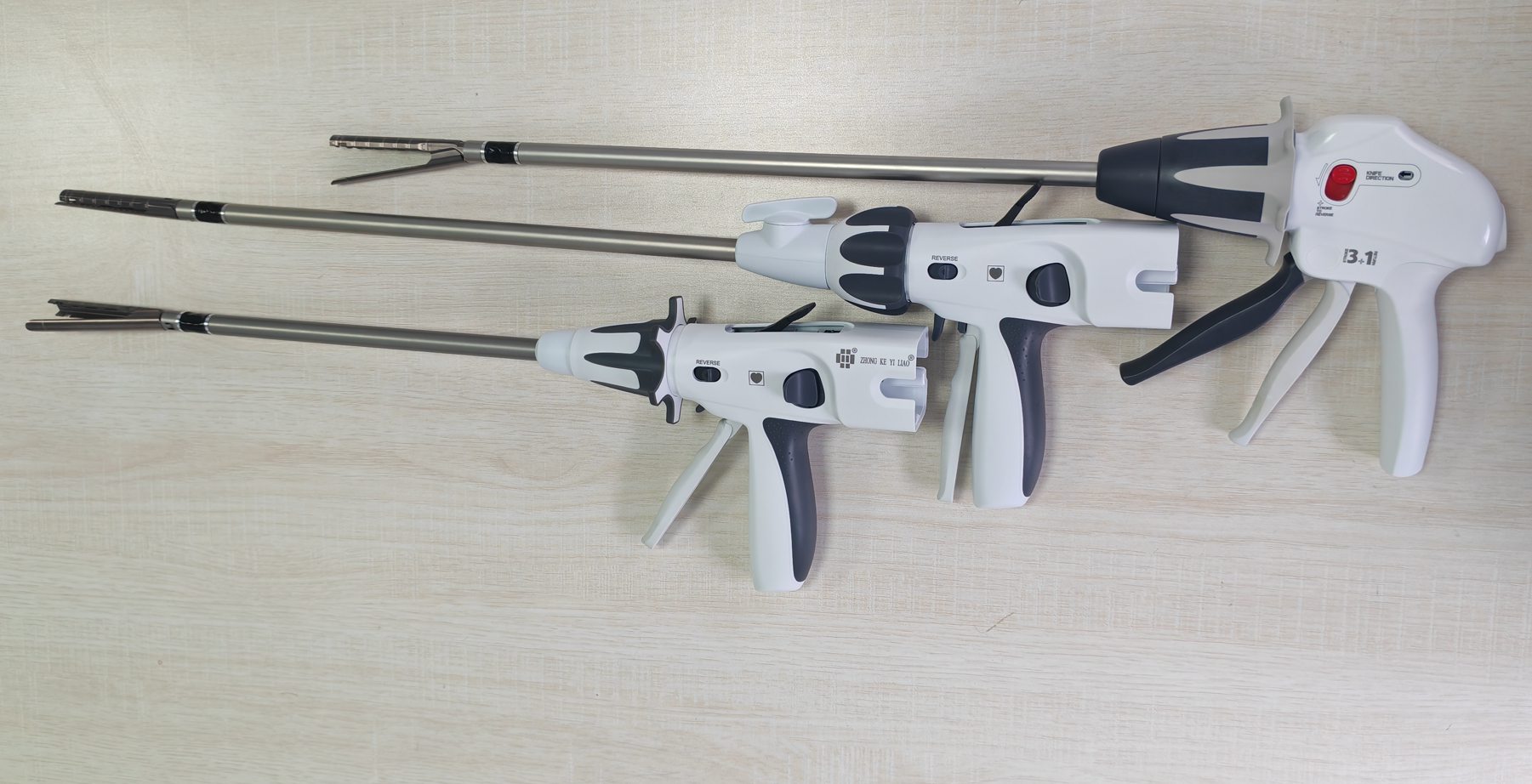
Linear staplers typically consist of a handle, a loading unit containing the staples, and an anvil. When the handle is squeezed, a **spring-loaded mechanism** drives the staples into the tissue, while the anvil provides a surface against which the staples are formed. This process not only secures the tissue but also minimizes damage to surrounding areas, promoting quicker healing.
Types of Linear Stapling Devices
There are various types of linear staplers, including **traditional surgical staplers**, **endoscopic staplers**, and **firing staplers**. Each type is designed for specific surgical applications, ensuring versatility in the operating room. For instance, endoscopic staplers are used in minimally invasive procedures, allowing for closure without large incisions.
Key Features of Modern Linear Stapling Devices
Today’s linear stapling devices are equipped with innovative features that enhance their usability and effectiveness. Some key features include:
Ergonomic Design
The ergonomic design of modern linear staplers ensures that they are comfortable for surgeons to handle, reducing fatigue during prolonged procedures.
Reloadable Cartridges
Many linear staplers now come with reloadable cartridges that allow for multiple uses, making them more cost-effective and environmentally friendly.
Integrated Technology
Advancements in technology have led to the integration of sensors and monitors in some models, providing real-time feedback to surgeons regarding staple formation and tissue compression.
Applications of Linear Stapling Devices in Surgery
Linear stapling devices are utilized across various surgical specialties, including:
General Surgery
In general surgery, linear staplers are commonly used for procedures such as bowel resections and gastric bypass surgeries. They provide secure closures that minimize the risk of postoperative complications like leakage.
Thoracic Surgery
In thoracic surgeries, linear staplers facilitate the closure of lung tissue and other thoracic structures, ensuring precise and secure anastomosis.
Gynecological Surgery
In gynecological procedures, these devices are employed to close incisions after hysterectomies or myomectomies, promoting faster recovery times for patients.
Benefits of Using Linear Stapling Devices
The adoption of linear stapling devices in surgical procedures offers numerous benefits:
Improved Surgical Outcomes
Utilizing linear staplers can lead to improved surgical outcomes, including reduced bleeding and lower rates of infection.
Enhanced Efficiency
The speed and ease of use of linear stapling devices allow surgeons to perform procedures more efficiently, often resulting in shorter operation times.
Reduced Recovery Time
Patients benefit from quicker recovery times, as linear staplers minimize tissue trauma compared to traditional suturing methods.
Future Innovations in Linear Stapling Technology
As technology continues to advance, the future of linear stapling devices looks promising. Potential innovations include:
Smart Stapling Technology
The development of smart stapling devices that can assess tissue properties in real-time could lead to even better outcomes by optimizing staple deployment based on tissue characteristics.
Biodegradable Staplers
Research into biodegradable materials for stapling devices may lead to new options that eliminate the need for removal procedures, further enhancing patient comfort and convenience.
Frequently Asked Questions
1. What are linear stapling devices used for?
Linear stapling devices are primarily used in surgical procedures to securely close incisions or wounds, particularly in general surgery, thoracic surgery, and gynecological surgery.
2. How do linear stapling devices differ from traditional sutures?
Unlike traditional sutures, which require threading and knotting, linear staplers provide a quicker and more efficient method of securing tissue with staples, reducing the time spent in the operating room.
3. Are linear stapling devices safe for patients?
Yes, when used correctly by trained medical professionals, linear stapling devices are considered safe and effective. They are designed to minimize tissue trauma and promote quicker healing.
4. Can linear staplers be used in minimally invasive surgeries?
Absolutely! Many linear staplers are specifically designed for use in minimally invasive procedures, allowing surgeons to close incisions without the need for large openings.
5. What advancements are being made in linear stapling technology?
Current advancements include the integration of smart technology for real-time feedback, the development of biodegradable materials, and enhanced ergonomic designs for improved usability.
Conclusion
In conclusion, linear stapling devices represent a significant advancement in surgical technology, offering numerous benefits that enhance surgical efficiency and patient outcomes. As we look toward the future, continued innovations promise to further improve the functionality and safety of these essential tools. Embracing these advancements will not only transform surgical practices but also contribute to better patient care and recovery experiences.
linear stapling device
Contact
Contacts: Jenny Pan
Address: Liandong U-Valley Medical and Health Industry Park, Hefei City, Anhui Province


