


Discover the Ease of Home-use Helicobacter Pylori Detectors: A Comprehensive Guide
Discover the Ease of Home-use Helicobacter Pylori Detectors
Helicobacter pylori (H. pylori) is a bacterium that infects the stomach lining, leading to various gastrointestinal issues such as ulcers and gastritis. In recent years, the medical community has made significant advancements in the development of home-use H. pylori detectors, allowing individuals to test for this infection conveniently and accurately from the comfort of their own homes. This article delves into the functionality, benefits, and considerations of these innovative diagnostic devices.
Table of Contents
- Understanding H. Pylori: The Silent Invader
- The Importance of Accurate Diagnosis
- How Home-use H. Pylori Detectors Work
- Benefits of Home Testing for H. Pylori
- Home Detectors vs. Laboratory Tests
- Choosing the Right Home-use H. Pylori Detector
- Step-by-Step Guide to Using a Home Detector
- Frequently Asked Questions
- Conclusion
Understanding H. Pylori: The Silent Invader
Helicobacter pylori is a gram-negative bacterium known for its role in stomach infections and related diseases. It is estimated that over half of the world's population harbors this bacterium, often without exhibiting any symptoms. Understanding how H. pylori operates and its potential impact on health is crucial for effective management and treatment.
This bacterium thrives in the acidic environment of the stomach, enabling it to colonize the gastric epithelium. Over time, it can lead to chronic inflammation, disrupt the balance of stomach acid, and contribute to serious complications such as ulcers, gastric cancer, and mucosa-associated lymphoid tissue (MALT) lymphoma.
The Symptoms of H. Pylori Infection
While many individuals with H. pylori remain asymptomatic, others may experience symptoms such as:
- Abdominal pain or discomfort
- Nausea and vomiting
- Bloating and excessive gas
- Loss of appetite
- Frequent burping
- Unexplained weight loss
The Importance of Accurate Diagnosis
Diagnosing H. pylori infection is critical because untreated infections can lead to severe health complications. Early detection through reliable testing can pave the way for effective treatment, significantly reducing the risk of future complications. Traditional diagnostic methods include breath tests, blood tests, stool tests, and endoscopic biopsies, each with its own advantages and limitations.
Why Choose Home Testing?
Home-use H. pylori detectors represent a significant shift in the landscape of diagnostic tools, providing individuals with an accessible option for testing. These devices not only facilitate early detection but also contribute to increased awareness of gut health.
How Home-use H. Pylori Detectors Work
Home-use H. pylori detectors typically employ immunoassay technology to detect the presence of antibodies specific to H. pylori in a sample, usually consisting of saliva or stool. These tests are designed to yield results within minutes, offering a convenient solution for at-home diagnosis.
The Testing Process
The process usually involves the following steps:
- Collecting the sample as per the device's instructions.
- Adding the sample to the test device.
- Waiting for the specified period, usually around 10-15 minutes.
- Reading the results, which are typically indicated by color changes on the test strip.
Benefits of Home Testing for H. Pylori
The introduction of home-use H. pylori detectors comes with a plethora of benefits, including:
1. Convenience and Privacy
Home-use devices allow individuals to conduct tests in a private setting, eliminating the need for in-clinic visits. This level of convenience can lead to increased testing rates and better awareness of personal health.
2. Quick Results
With results available within minutes, home detectors enable timely decision-making regarding further medical consultation or treatment, especially for those experiencing symptoms.
3. Cost-Effectiveness
Home testing is often more affordable than traditional laboratory tests, making it an appealing option for individuals without health insurance or those seeking to minimize healthcare costs.
4. Accessibility
For individuals living in remote areas or with mobility challenges, home-use H. pylori detectors provide a vital solution for accessing necessary healthcare tools.
Home Detectors vs. Laboratory Tests
While home-use H. pylori detectors offer numerous advantages, they may not completely replace traditional laboratory tests. Here’s a comprehensive comparison of both options:
Accuracy
Laboratory tests, such as endoscopic biopsies and urea breath tests, are considered the gold standard for H. pylori detection. However, advancements in home testing technology have greatly improved the reliability of home detectors.
Cost
Home-use detectors generally come at a lower price point than laboratory tests, making them a budget-friendly alternative for many consumers.
Ease of Use
Home detectors are designed for simplicity, allowing individuals to conduct tests with minimal instructions. In contrast, laboratory tests often require professional assistance.
Choosing the Right Home-use H. Pylori Detector
Selecting the appropriate home-use H. pylori detector can be overwhelming, given the variety of options available. Here are key factors to consider when making your choice:
1. FDA Approval
Ensure the detector has FDA approval, which signifies that it meets the necessary standards for safety and effectiveness.
2. User Reviews
Reading customer reviews can provide insight into the accuracy and reliability of the product, helping you make an informed decision.
3. Ease of Use
Look for a detector that offers clear instructions and is easy to operate, especially if you’re testing for the first time.
4. Support and Resources
Choose a brand that offers robust customer support and educational resources, ensuring you feel confident throughout the testing process.
Step-by-Step Guide to Using a Home Detector
Using a home-use H. pylori detector is straightforward. Follow these steps for accurate results:
Step 1: Read the Instructions
Before beginning, carefully read the provided instructions to familiarize yourself with the testing process.
Step 2: Collect Your Sample
Depending on the type of detector, collect the required sample (saliva or stool) as instructed.
Step 3: Prepare the Test Device
Add the sample to the designated area on the test device, ensuring you follow the specified guidelines for the correct amount.
Step 4: Wait for Results
Allow the test to process for the recommended time, typically between 10-15 minutes.
Step 5: Interpret the Results
Check the test strip for color changes that indicate either a positive or negative result. Refer to the instruction manual for clarification.
Frequently Asked Questions
1. What is Helicobacter pylori?
Helicobacter pylori is a bacterium that can infect the stomach, potentially leading to ulcers and other digestive issues.
2. How reliable are home-use H. pylori detectors?
While home detectors are accurate, they may not match the precision of laboratory tests. It's essential to consult a healthcare professional for confirmation and treatment.
3. Can home testing replace professional medical advice?
Home testing is a convenient first step, but it should not replace professional medical evaluation and treatment if necessary.
4. How often should I test for H. pylori?
If you experience symptoms of infection or have a history of ulcers, regular testing may be advisable. Consult with your healthcare provider for personalized recommendations.
5. What should I do if I test positive for H. pylori?
If you receive a positive result, consult your healthcare provider for further testing and potential treatment options.
Conclusion
Home-use Helicobacter pylori detectors provide a groundbreaking approach to diagnosing this common stomach infection. By understanding their functionality, benefits, and appropriate usage, individuals can take charge of their gastrointestinal health with confidence. With the ability to receive quick results in the comfort of their own homes, patients can facilitate early intervention and treatment, ultimately leading to better health outcomes. As the landscape of home diagnostics continues to evolve, staying informed about these advancements empowers individuals to make proactive choices about their health.
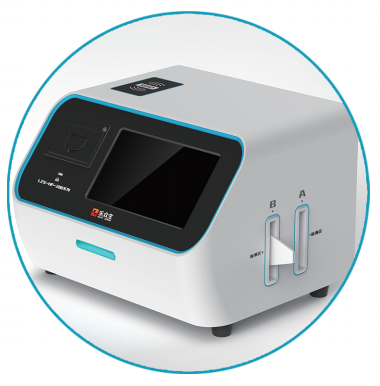
Home-use Helicobacter Pylori Detector
Contact
Contacts: Jenny Pan
Address: Liandong U-Valley Medical and Health Industry Park, Hefei City, Anhui Province


