


Understanding Helicobacter Pylori Detection: The Key to Gastrointestinal Health
Helicobacter Pylori (H. pylori) is a spiral-shaped bacterium that colonizes the stomach lining and is known to cause various gastrointestinal disorders, including gastritis, peptic ulcers, and even stomach cancer. Detection of this pathogen is essential for proper diagnosis and treatment, making the development of efficient Helicobacter Pylori detectors critical in the medical field.
Several metho
Helicobacter Pylori (H. pylori) is a spiral-shaped bacterium that colonizes the stomach lining and is known to cause various gastrointestinal disorders, including gastritis, peptic ulcers, and even stomach cancer. Detection of this pathogen is essential for proper diagnosis and treatment, making the development of efficient Helicobacter Pylori detectors critical in the medical field.
Several methods can be employed to detect H. pylori infections. Among the most common are non-invasive tests such as breath tests, stool antigen tests, and serological tests. The urea breath test, for instance, involves the patient ingesting a substance that contains urea. If H. pylori is present, the bacteria will metabolize the urea and produce carbon dioxide, which can then be measured in the patient's breath. This test is highly sensitive and specific, offering a quick and reliable way to identify H. pylori infections.
Another approach is the stool antigen test, which detects H. pylori antigens in the patient's stool samples. This method is straightforward and non-invasive, making it an excellent choice for initial screenings. The serological test, on the other hand, looks for antibodies against H. pylori in the blood. While it can indicate past infections, it may not be as effective for current infections due to the persistence of antibodies even after successful treatment.
For cases that require direct examination, endoscopy paired with biopsy can be utilized. During this procedure, a small camera is inserted into the digestive tract, allowing doctors to visualize the stomach lining and collect tissue samples for laboratory analysis. This method can provide definitive evidence of H. pylori infection and help assess the severity of any related conditions.
The introduction of advanced technologies and tools in the medical field has significantly enhanced the ability to detect H. pylori efficiently. Rapid diagnostic tests, molecular techniques, and point-of-care testing are emerging as promising options, offering faster results and improved patient management. Healthcare providers must stay informed about these advancements to ensure optimal care for patients presenting with gastrointestinal symptoms.
In conclusion, the detection of Helicobacter Pylori is a vital aspect of diagnosing and managing gastrointestinal diseases. With various detection methods available, healthcare professionals can choose the most appropriate techniques based on the individual patient's needs. Staying updated on the latest technologies in H. pylori detection will not only enhance diagnostic accuracy but also improve overall patient outcomes in gastrointestinal health.
Several methods can be employed to detect H. pylori infections. Among the most common are non-invasive tests such as breath tests, stool antigen tests, and serological tests. The urea breath test, for instance, involves the patient ingesting a substance that contains urea. If H. pylori is present, the bacteria will metabolize the urea and produce carbon dioxide, which can then be measured in the patient's breath. This test is highly sensitive and specific, offering a quick and reliable way to identify H. pylori infections.
Another approach is the stool antigen test, which detects H. pylori antigens in the patient's stool samples. This method is straightforward and non-invasive, making it an excellent choice for initial screenings. The serological test, on the other hand, looks for antibodies against H. pylori in the blood. While it can indicate past infections, it may not be as effective for current infections due to the persistence of antibodies even after successful treatment.
For cases that require direct examination, endoscopy paired with biopsy can be utilized. During this procedure, a small camera is inserted into the digestive tract, allowing doctors to visualize the stomach lining and collect tissue samples for laboratory analysis. This method can provide definitive evidence of H. pylori infection and help assess the severity of any related conditions.
The introduction of advanced technologies and tools in the medical field has significantly enhanced the ability to detect H. pylori efficiently. Rapid diagnostic tests, molecular techniques, and point-of-care testing are emerging as promising options, offering faster results and improved patient management. Healthcare providers must stay informed about these advancements to ensure optimal care for patients presenting with gastrointestinal symptoms.
In conclusion, the detection of Helicobacter Pylori is a vital aspect of diagnosing and managing gastrointestinal diseases. With various detection methods available, healthcare professionals can choose the most appropriate techniques based on the individual patient's needs. Staying updated on the latest technologies in H. pylori detection will not only enhance diagnostic accuracy but also improve overall patient outcomes in gastrointestinal health.
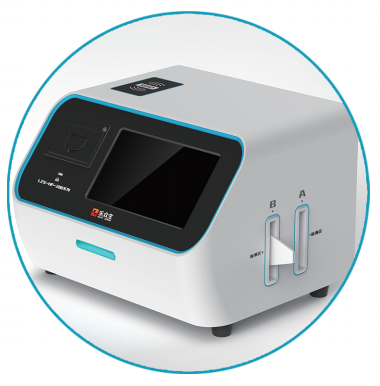
Helicobacter Pylori Detector
Contact
Contacts: Jenny Pan
Address: Liandong U-Valley Medical and Health Industry Park, Hefei City, Anhui Province


