


Understanding Helicobacter Pylori Detectors: A Gateway to Better Health
Helicobacter Pylori (H. pylori) is a type of bacteria that can inhabit the stomach lining, often leading to various gastrointestinal disorders, including gastritis, peptic ulcers, and even contributing to the risk of stomach cancer. The detection of H. pylori is crucial for effective treatment and management of these conditions. Helicobacter Pylori Detectors are specialized diagnostic tools design
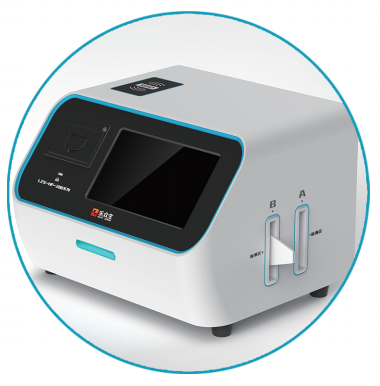
Helicobacter Pylori (H. pylori) is a type of bacteria that can inhabit the stomach lining, often leading to various gastrointestinal disorders, including gastritis, peptic ulcers, and even contributing to the risk of stomach cancer. The detection of H. pylori is crucial for effective treatment and management of these conditions. Helicobacter Pylori Detectors are specialized diagnostic tools designed to identify the presence of this bacterium in patients, thereby facilitating timely medical intervention.
There are several methods for detecting H. pylori, including non-invasive and invasive techniques. Non-invasive tests primarily consist of breath tests, serological tests, and stool antigen tests. The breath test involves the patient ingesting a substance that is metabolized by H. pylori, which is then detected in the breath, indicating the presence of the bacteria. Serological tests, on the other hand, identify antibodies in the blood, while stool tests analyze samples for antigens specific to H. pylori. These methods are generally preferred due to their ease of use and minimal discomfort for patients.
Invasive methods, such as endoscopy, involve obtaining a biopsy from the stomach lining during a visual examination. This technique not only aids in the diagnosis of H. pylori but also allows for the inspection of any potential gastric abnormalities. Although more invasive, this method can provide a definitive diagnosis and facilitate further investigation if required.
Choosing the right Helicobacter Pylori Detector is essential for healthcare professionals. Factors such as sensitivity, specificity, and overall accuracy are vital when selecting a diagnostic tool. High-quality detectors can minimize false positives and negatives, ensuring accurate results that contribute to effective treatment plans.
In conclusion, the detection of Helicobacter Pylori plays a pivotal role in managing gastrointestinal health. By utilizing appropriate Helicobacter Pylori Detectors, healthcare providers can diagnose infections accurately and develop tailored treatment strategies. Timely detection not only helps in alleviating symptoms but also reduces the risk of more severe health complications associated with prolonged H. pylori infections. Investing in reliable and efficient diagnostic tools is crucial in today's healthcare landscape, where accurate diagnosis can significantly impact patient outcomes.
There are several methods for detecting H. pylori, including non-invasive and invasive techniques. Non-invasive tests primarily consist of breath tests, serological tests, and stool antigen tests. The breath test involves the patient ingesting a substance that is metabolized by H. pylori, which is then detected in the breath, indicating the presence of the bacteria. Serological tests, on the other hand, identify antibodies in the blood, while stool tests analyze samples for antigens specific to H. pylori. These methods are generally preferred due to their ease of use and minimal discomfort for patients.
Invasive methods, such as endoscopy, involve obtaining a biopsy from the stomach lining during a visual examination. This technique not only aids in the diagnosis of H. pylori but also allows for the inspection of any potential gastric abnormalities. Although more invasive, this method can provide a definitive diagnosis and facilitate further investigation if required.
Choosing the right Helicobacter Pylori Detector is essential for healthcare professionals. Factors such as sensitivity, specificity, and overall accuracy are vital when selecting a diagnostic tool. High-quality detectors can minimize false positives and negatives, ensuring accurate results that contribute to effective treatment plans.
In conclusion, the detection of Helicobacter Pylori plays a pivotal role in managing gastrointestinal health. By utilizing appropriate Helicobacter Pylori Detectors, healthcare providers can diagnose infections accurately and develop tailored treatment strategies. Timely detection not only helps in alleviating symptoms but also reduces the risk of more severe health complications associated with prolonged H. pylori infections. Investing in reliable and efficient diagnostic tools is crucial in today's healthcare landscape, where accurate diagnosis can significantly impact patient outcomes.
Helicobacter Pylori Detector
Contact
Contacts: Jenny Pan
Address: Liandong U-Valley Medical and Health Industry Park, Hefei City, Anhui Province


