


Understanding the Importance of Helicobacter Pylori Detection at Home: A Comprehensive Guide
Understanding the Importance of Helicobacter Pylori Detection at Home
Helicobacter Pylori (H. Pylori) is a type of bacteria that resides in the stomach and is a significant contributor to various gastrointestinal diseases, including gastritis, peptic ulcers, and even stomach cancer. Recognizing the importance of H. Pylori detection, especially in a home setting, can lead to early diagnosis and eff
Understanding the Importance of Helicobacter Pylori Detection at Home
Helicobacter Pylori (H. Pylori) is a type of bacteria that resides in the stomach and is a significant contributor to various gastrointestinal diseases, including gastritis, peptic ulcers, and even stomach cancer. Recognizing the importance of H. Pylori detection, especially in a home setting, can lead to early diagnosis and effective management of potential health issues.
Table of Contents
- What is Helicobacter Pylori?
- Why is H. Pylori Detection Important?
- Symptoms of H. Pylori Infection
- Home Testing Methods for H. Pylori
- Benefits of Home Testing for H. Pylori
- How to Interpret H. Pylori Test Results
- Treatment Options for H. Pylori
- Preventive Measures and Lifestyle Changes
- Frequently Asked Questions
- Conclusion
What is Helicobacter Pylori?
Helicobacter Pylori is a spiral-shaped bacterium that thrives in the acidic environment of the stomach. It is unique in its ability to survive the harsh conditions of gastric acid, allowing it to colonize the stomach lining. H. Pylori infection is prevalent worldwide and can spread through contaminated food, water, or close contact with an infected individual.
The bacterium is notorious for causing chronic inflammation of the stomach lining (chronic gastritis), which can lead to more severe conditions if left untreated. Understanding H. Pylori is crucial for anyone concerned about gastrointestinal health.
Why is H. Pylori Detection Important?
Early detection of Helicobacter Pylori is vital for several reasons:
- **Prevent Serious Conditions**: Untreated H. Pylori infections can lead to serious gastrointestinal issues, including gastric ulcers and even stomach cancer. Timely detection allows for intervention before complications arise.
- **Manage Symptoms**: Many individuals may experience symptoms like nausea, bloating, and abdominal pain, which can significantly impact their quality of life. Detecting H. Pylori can lead to appropriate management of these symptoms.
- **Tailor Treatment**: Knowing whether one is infected with H. Pylori enables healthcare providers to tailor treatment plans effectively, ensuring that the right medications are prescribed.
Symptoms of H. Pylori Infection
Recognizing symptoms of H. Pylori infection is essential for seeking timely medical advice. Common symptoms include:
- **Abdominal Pain**: A burning sensation in the stomach area can indicate irritation caused by the bacterium.
- **Nausea and Vomiting**: Frequent nausea can occur, particularly after meals.
- **Bloating and Gas**: Many people report feelings of fullness and excessive gas.
- **Loss of Appetite**: Chronic infection can lead to a decreased desire to eat.
- **Unexplained Weight Loss**: This can occur if the infection leads to a reduced food intake.
Recognizing these symptoms early can prompt individuals to consider H. Pylori testing.
Home Testing Methods for H. Pylori
With advancements in medical technology, home testing for Helicobacter Pylori has become a viable option for many. Several methods are available:
- **Breath Tests**: Home breath tests can detect H. Pylori by measuring carbon dioxide in the breath after consuming a specific substance. If H. Pylori is present, it will metabolize the substance and release carbon dioxide.
- **Stool Tests**: These tests can identify H. Pylori antigens in a stool sample. They are generally easy to perform and require minimal preparation.
- **Saliva Tests**: Although less common, some tests use saliva samples to detect antibodies against H. Pylori.
Each of these methods offers a non-invasive way to assess for H. Pylori infection, allowing for a more comfortable testing experience at home.
Benefits of Home Testing for H. Pylori
Opting for home testing for Helicobacter Pylori comes with numerous benefits:
- **Convenience**: Home testing kits can be used at any time, eliminating the need for clinical appointments and minimizing disruption to daily life.
- **Privacy**: Some individuals may feel uncomfortable discussing gastrointestinal symptoms with healthcare providers. Home testing provides a level of privacy.
- **Early Detection**: Quick access to testing can lead to earlier detection of potential infections, allowing for timely treatment.
- **Cost-Effective**: Home testing kits can be more affordable than traditional laboratory testing, reducing the overall cost of healthcare.
By leveraging home testing, individuals can take proactive steps toward managing their health.
How to Interpret H. Pylori Test Results
Understanding test results is crucial for determining the next steps in dealing with a Helicobacter Pylori infection. Here’s how to interpret the results:
- **Positive Result**: A positive test indicates an active H. Pylori infection. It is essential to consult with a healthcare provider to discuss treatment options.
- **Negative Result**: A negative result suggests that there is no current H. Pylori infection. However, if symptoms persist, further evaluation may be necessary.
- **Follow-Up Tests**: Sometimes, follow-up testing may be required to confirm treatment success after undergoing therapy for H. Pylori.
Clear communication with healthcare providers regarding test results can ensure the best possible care.
Treatment Options for H. Pylori
If diagnosed with an H. Pylori infection, various treatment options are available:
- **Antibiotics**: A combination of antibiotics is often prescribed to eradicate the bacteria. Common medications include amoxicillin, clarithromycin, and metronidazole.
- **Proton Pump Inhibitors (PPIs)**: PPIs help reduce stomach acid, allowing the lining to heal while the antibiotics work. Popular PPIs include omeprazole and lansoprazole.
- **Bismuth Compounds**: Medications containing bismuth (like Pepto-Bismol) can help protect the stomach lining and assist in the healing process.
Successful treatment typically requires adherence to the prescribed regimen, and follow-up testing may be necessary to confirm eradication of the bacteria.
Preventive Measures and Lifestyle Changes
In addition to testing and treatment, adopting preventive measures can help reduce the risk of H. Pylori infection:
- **Practice Good Hygiene**: Regular handwashing, especially before meals, can prevent the spread of infections.
- **Avoid Contaminated Food and Water**: Drinking clean, filtered water and eating well-cooked meals can significantly reduce the risk of infection.
- **Healthy Diet**: Incorporating a balanced diet rich in fruits, vegetables, and probiotics can support a healthy gut environment.
- **Limit Use of Nonsteroidal Anti-Inflammatory Drugs (NSAIDs)**: Overuse of NSAIDs can irritate the stomach lining and exacerbate symptoms.
By implementing these lifestyle changes, individuals can bolster their digestive health and reduce the likelihood of H. Pylori infection.
Frequently Asked Questions
1. How common is Helicobacter Pylori infection?
H. Pylori infection is quite common, with estimates suggesting that over 50% of the world’s population may be infected at some point in their lives.
2. Can H. Pylori be completely eradicated?
Yes, with appropriate antibiotic treatment, H. Pylori can be eradicated in most individuals. Follow-up testing is essential to confirm success.
3. Are there any natural remedies for H. Pylori?
While some natural remedies may help alleviate symptoms, they should not replace medical treatment. Probiotics, garlic, and green tea are often suggested as complementary options.
4. Can stress contribute to H. Pylori symptoms?
While stress does not directly cause H. Pylori infection, it can exacerbate existing gastrointestinal symptoms and affect overall digestive health.
5. Is it possible to be asymptomatic with H. Pylori infection?
Yes, many individuals with H. Pylori may be asymptomatic, which is why regular testing is important for those at risk or with relevant symptoms.
Conclusion
Understanding the importance of Helicobacter Pylori detection at home is crucial for maintaining digestive health. With the availability of various home testing methods, individuals can take proactive steps toward early detection and treatment of potential infections. Recognizing symptoms, interpreting test results, and implementing lifestyle changes can significantly improve overall well-being and prevent serious gastrointestinal issues. By empowering ourselves with knowledge and tools, we can better manage our health and make informed decisions regarding our digestive system.
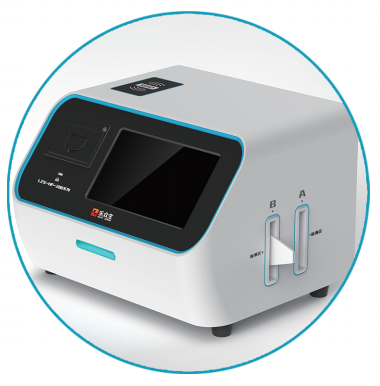
Home-use Helicobacter Pylori Detector
Contact
Contacts: Jenny Pan
Address: Liandong U-Valley Medical and Health Industry Park, Hefei City, Anhui Province


