


Navigating Your Health: The Importance of Helicobacter Pylori Breath Tests
Navigating Your Health: The Importance of Helicobacter Pylori Breath Tests
Table of Contents
1. What is Helicobacter Pylori?
2. Why is Helicobacter Pylori Significant?
3. Understanding Helicobacter Pylori Breath Tests
4. How Breath Tests Work
5. Benefits of Helicobacter Pylori Breath Tests
6. What to Expect During the Test
7. Interpreting Test Results
8. Treatment
Navigating Your Health: The Importance of Helicobacter Pylori Breath Tests
Table of Contents
- 1. What is Helicobacter Pylori?
- 2. Why is Helicobacter Pylori Significant?
- 3. Understanding Helicobacter Pylori Breath Tests
- 4. How Breath Tests Work
- 5. Benefits of Helicobacter Pylori Breath Tests
- 6. What to Expect During the Test
- 7. Interpreting Test Results
- 8. Treatment Options for Helicobacter Pylori Infection
- 9. Frequently Asked Questions
- 10. Conclusion
1. What is Helicobacter Pylori?
Helicobacter Pylori, often abbreviated as H. pylori, is a type of bacteria that resides in the stomach lining. First discovered in the early 1980s, this organism has since been linked to various gastrointestinal disorders, including ulcers and chronic gastritis. Its unique spiral shape allows it to burrow into the stomach’s protective mucus lining, leading to inflammation and a range of digestive issues.
H. pylori is notably resilient, thriving in the harsh acidic environment of the stomach. This adaptability poses a significant health risk, as it can lead to long-term complications if left untreated. Understanding this bacterium is crucial for anyone experiencing digestive discomfort or other related symptoms.
2. Why is Helicobacter Pylori Significant?
The significance of H. pylori extends beyond mere infection; it plays a pivotal role in gastrointestinal health. The presence of this bacterium can disrupt the delicate balance of the digestive system, leading to conditions such as:
- **Peptic Ulcers**: H. pylori is the primary cause of peptic ulcers, which can result in severe abdominal pain and discomfort.
- **Gastritis**: Chronic infection can lead to inflammation of the stomach lining, causing nausea, vomiting, and indigestion.
- **Stomach Cancer**: Prolonged H. pylori infection is associated with an increased risk of gastric cancer, making early detection and treatment paramount.
Understanding the implications of H. pylori in gastrointestinal health highlights the importance of testing and treatment to prevent serious complications.
3. Understanding Helicobacter Pylori Breath Tests
Helicobacter Pylori breath tests are a non-invasive diagnostic tool that helps detect the presence of this bacterium in the stomach. The test measures the amount of carbon dioxide in a person's breath after ingesting a specific substance, typically urea.
The testing method is preferred for its ease of use, quick results, and comfort compared to other diagnostic procedures, such as endoscopy. By utilizing breath tests, healthcare providers can effectively assess the presence of H. pylori, ensuring timely intervention.
4. How Breath Tests Work
Breath tests for H. pylori operate on a straightforward principle. The patient ingests a liquid containing urea, which is broken down by H. pylori in the stomach. If the bacteria are present, they convert urea into ammonia and carbon dioxide. The carbon dioxide is then absorbed into the bloodstream and exhaled through the lungs.
Here’s a step-by-step breakdown of the process:
1. **Preparation**: Patients are usually required to fast for at least six hours before the test to ensure accurate results.
2. **Ingestion**: A solution containing urea labeled with a special carbon isotope is consumed.
3. **Breath Collection**: After a designated waiting period, patients exhale into a collection device designed to capture breath samples.
4. **Analysis**: The samples are analyzed to determine the concentration of carbon dioxide, indicating the presence of H. pylori in the stomach.
This method allows for rapid and effective diagnosis, making it an essential tool in gastrointestinal healthcare.
5. Benefits of Helicobacter Pylori Breath Tests
Opting for a Helicobacter Pylori breath test offers numerous advantages over traditional testing methods. Here are some of the key benefits:
- **Non-Invasive**: Unlike endoscopic procedures, breath tests require no invasive techniques, reducing patient discomfort and anxiety.
- **Quick Results**: Patients typically receive results within a few hours, allowing for prompt diagnosis and treatment.
- **High Accuracy**: Breath tests are known for their reliability and accuracy in detecting H. pylori, providing peace of mind to both patients and healthcare providers.
- **Ease of Use**: The process is straightforward and requires minimal preparation, making it accessible to a wide range of patients.
These benefits underscore the importance of breath tests in modern medical practice, particularly for individuals experiencing symptoms of H. pylori infection.
6. What to Expect During the Test
Understanding what to expect during a Helicobacter Pylori breath test can alleviate any anxiety or apprehension. Here’s a detailed overview of the testing process:
1. **Pre-Test Instructions**: Your healthcare provider will give explicit instructions, including dietary restrictions. It’s essential to follow these guidelines to ensure accurate results.
2. **Arrival at the Facility**: Arrive at the testing location where you’ll be greeted by healthcare professionals who will guide you through the process.
3. **Sample Collection**: Initially, a baseline breath sample will be collected to measure your carbon dioxide levels before ingesting the urea solution.
4. **Ingestion of Urea Solution**: After the baseline sample, you will consume the urea solution. The taste is generally neutral, making it easy to swallow.
5. **Post-Ingestion Waiting Period**: You will wait for a specific duration (usually around 15-30 minutes) to allow the urea to interact with any H. pylori present in your stomach.
6. **Final Breath Sample**: After the waiting period, a second breath sample will be collected and sent for analysis.
Throughout the procedure, healthcare professionals will ensure your comfort and answer any questions you may have.
7. Interpreting Test Results
Upon completion of the Helicobacter Pylori breath test, the results will be analyzed and interpreted by your healthcare provider. Here’s what you can expect:
- **Positive Result**: If the test indicates the presence of H. pylori, further discussions regarding treatment options will take place. This may involve a combination of antibiotics and medications to reduce stomach acid.
- **Negative Result**: A negative result suggests that H. pylori is not present, which may lead your healthcare provider to explore other potential causes of your symptoms.
Understanding the implications of your test results is crucial for your ongoing health and wellbeing. Open communication with your healthcare provider will facilitate the best course of action.
8. Treatment Options for Helicobacter Pylori Infection
If diagnosed with H. pylori, effective treatment options are available to eradicate the infection and alleviate associated symptoms. Common treatment regimens include:
- **Antibiotics**: A combination of antibiotics is often prescribed to kill the bacteria. Typical regimens may include amoxicillin, clarithromycin, and metronidazole.
- **Proton Pump Inhibitors (PPIs)**: Medications such as omeprazole and lansoprazole are used to reduce stomach acid, creating a less hospitable environment for H. pylori.
- **Bismuth Compounds**: These can help protect the stomach lining and may also assist in killing the bacteria.
Completing the prescribed treatment course is essential to ensure that the infection is fully eradicated, and follow-up testing may be recommended to confirm success.
9. Frequently Asked Questions
What are the symptoms of Helicobacter Pylori infection?
Common symptoms include abdominal pain, bloating, nausea, frequent burping, and loss of appetite. Some patients may also experience indigestion or a burning sensation in the stomach.
How common is H. pylori infection?
H. pylori infection is quite common, with an estimated two-thirds of the world's population infected. However, many people may remain asymptomatic throughout their lives.
Can H. pylori infection be prevented?
While it may be challenging to prevent H. pylori infection entirely, practicing good hygiene, such as washing hands regularly and consuming properly prepared food, can reduce the risk.
Are breath tests reliable for diagnosing H. pylori?
Yes, breath tests are considered highly reliable and accurate for diagnosing H. pylori, making them a preferred choice for many healthcare providers.
Is treatment for H. pylori infection effective?
When followed correctly, treatment for H. pylori infection is generally effective, with cure rates exceeding 80%. Follow-up testing is often recommended to confirm eradication.
10. Conclusion
Navigating the complexities of gastrointestinal health can be daunting, but understanding the significance of Helicobacter Pylori breath tests is paramount. These non-invasive tests provide valuable insights into H. pylori infections and their potential implications for overall health. By recognizing the symptoms, understanding the testing process, and exploring treatment options, individuals empower themselves to take control of their health. Early detection and effective management of H. pylori can significantly improve quality of life, prevent serious complications, and promote long-term wellness.
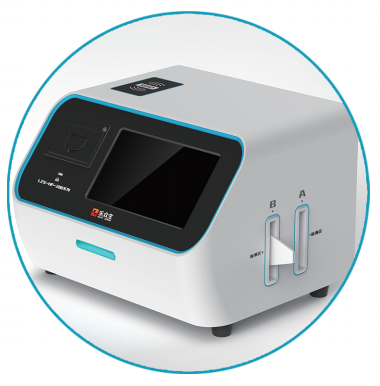
Helicobacter Pylori Breath Test Kit
Contact
Contacts: Jenny Pan
Address: Liandong U-Valley Medical and Health Industry Park, Hefei City, Anhui Province


