


Revolutionizing Diagnostics: The Role of Helicobacter Pylori Detectors in Gastrointestinal Health
Helicobacter pylori (H. pylori) is a type of bacteria that infects the stomach lining and is a major contributor to various gastrointestinal diseases, including gastritis, peptic ulcers, and even gastric cancer. Detecting H. pylori infection is crucial for effective treatment and management of these conditions. This is where Helicobacter Pylori detectors come into play. These advanced diagnostic i
Helicobacter pylori (H. pylori) is a type of bacteria that infects the stomach lining and is a major contributor to various gastrointestinal diseases, including gastritis, peptic ulcers, and even gastric cancer. Detecting H. pylori infection is crucial for effective treatment and management of these conditions. This is where Helicobacter Pylori detectors come into play. These advanced diagnostic instruments have revolutionized how healthcare professionals identify and manage H. pylori infections, ensuring better patient outcomes.
Helicobacter Pylori detectors utilize a variety of methodologies, including non-invasive tests such as breath, stool, and blood tests, as well as invasive options like endoscopic biopsy. Breath tests measure the presence of carbon isotopes after the patient ingests a specific substrate, allowing for real-time detection of H. pylori. Stool antigen tests are designed to identify H. pylori antigens in fecal samples, providing another non-invasive alternative. Blood tests, although less commonly used for initial diagnosis, can detect antibodies to H. pylori, indicating a past or present infection.
The technology behind these detectors is continuously evolving. Recent advancements include the development of rapid test kits that provide immediate results, enhancing the efficiency of diagnosing H. pylori infections in clinical settings. These innovations are particularly beneficial in outpatient environments, where timely decision-making is critical.
Understanding the biology of H. pylori is essential for leveraging the capabilities of these detectors. The bacteria thrive in the acidic environment of the stomach and possess mechanisms to evade the host's immune response. Therefore, accurate detection is vital for determining the appropriate therapeutic interventions, which may include antibiotics and proton pump inhibitors.
Moreover, the implications of H. pylori detection extend beyond mere diagnosis. Identifying an H. pylori infection early can prevent the progression of gastrointestinal disorders, allowing for more successful treatment plans. Furthermore, monitoring eradication rates post-treatment can inform clinicians about the effectiveness of the prescribed therapy, enabling adjustments when necessary.
In conclusion, Helicobacter Pylori detectors are essential tools in the arsenal of modern gastrointestinal diagnostics. By improving detection accuracy and facilitating timely treatment, these devices play a pivotal role in enhancing patient care and outcomes. As research progresses and technology advances, the potential for more sophisticated and effective diagnostic methods continues to grow, promising a brighter future for gastrointestinal healthcare.
Helicobacter Pylori detectors utilize a variety of methodologies, including non-invasive tests such as breath, stool, and blood tests, as well as invasive options like endoscopic biopsy. Breath tests measure the presence of carbon isotopes after the patient ingests a specific substrate, allowing for real-time detection of H. pylori. Stool antigen tests are designed to identify H. pylori antigens in fecal samples, providing another non-invasive alternative. Blood tests, although less commonly used for initial diagnosis, can detect antibodies to H. pylori, indicating a past or present infection.
The technology behind these detectors is continuously evolving. Recent advancements include the development of rapid test kits that provide immediate results, enhancing the efficiency of diagnosing H. pylori infections in clinical settings. These innovations are particularly beneficial in outpatient environments, where timely decision-making is critical.
Understanding the biology of H. pylori is essential for leveraging the capabilities of these detectors. The bacteria thrive in the acidic environment of the stomach and possess mechanisms to evade the host's immune response. Therefore, accurate detection is vital for determining the appropriate therapeutic interventions, which may include antibiotics and proton pump inhibitors.
Moreover, the implications of H. pylori detection extend beyond mere diagnosis. Identifying an H. pylori infection early can prevent the progression of gastrointestinal disorders, allowing for more successful treatment plans. Furthermore, monitoring eradication rates post-treatment can inform clinicians about the effectiveness of the prescribed therapy, enabling adjustments when necessary.
In conclusion, Helicobacter Pylori detectors are essential tools in the arsenal of modern gastrointestinal diagnostics. By improving detection accuracy and facilitating timely treatment, these devices play a pivotal role in enhancing patient care and outcomes. As research progresses and technology advances, the potential for more sophisticated and effective diagnostic methods continues to grow, promising a brighter future for gastrointestinal healthcare.
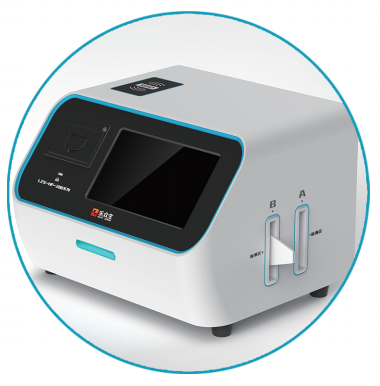
Helicobacter Pylori Detector
Contact
Contacts: Jenny Pan
Address: Liandong U-Valley Medical and Health Industry Park, Hefei City, Anhui Province


