


Understanding H. Pylori Breath Test Kits: A Comprehensive Guide
Helicobacter pylori, commonly referred to as H. pylori, is a type of bacteria that resides in the stomach and is often linked to various gastrointestinal disorders, including peptic ulcers and gastritis. The diagnosis of H. pylori infections is crucial for appropriate treatment and management of these conditions. One of the most effective and non-invasive methods for detecting H. pylori is through
Helicobacter pylori, commonly referred to as H. pylori, is a type of bacteria that resides in the stomach and is often linked to various gastrointestinal disorders, including peptic ulcers and gastritis. The diagnosis of H. pylori infections is crucial for appropriate treatment and management of these conditions. One of the most effective and non-invasive methods for detecting H. pylori is through the use of breath test kits.
H. pylori breath test kits work by utilizing a specific isotope, typically carbon-13 or carbon-14. When a patient ingests a urea solution that contains one of these isotopes, the presence of H. pylori in the stomach leads to the breakdown of urea, resulting in the release of carbon dioxide. This carbon dioxide is then absorbed into the bloodstream and expelled through the lungs, where it can be collected and analyzed in a breath sample. The results indicate whether H. pylori is present, allowing healthcare professionals to make informed decisions regarding treatment.
One of the primary advantages of using an H. pylori breath test kit is its non-invasive nature. Unlike endoscopy or biopsies, which can be uncomfortable and require sedation, the breath test is simple, quick, and painless. Patients can often complete the test in a short amount of time, making it a convenient option for both clinicians and patients.
Additionally, the breath test is known for its high accuracy and reliability. It minimizes the likelihood of false positives or negatives, thus ensuring that patients receive appropriate care. This accuracy is crucial, as misdiagnosing an H. pylori infection can lead to ineffective treatment and prolonged suffering.
It’s also important to note that the breath test is particularly useful for monitoring treatment efficacy. After a course of antibiotics or other therapies for H. pylori eradication, performing a follow-up breath test can confirm whether the infection has been successfully eliminated. This aids in preventing recurring gastrointestinal issues and ensures optimal health outcomes for patients.
In summary, H. pylori breath test kits play a significant role in diagnosing and managing H. pylori infections. Their non-invasive nature, coupled with high accuracy, makes them an essential tool in modern gastroenterology. Understanding how these kits function and their benefits can help healthcare professionals provide better patient care and improve recovery rates for those suffering from H. pylori-related conditions. By leveraging the advantages of breath testing, patients can look forward to a more comfortable and efficient diagnostic experience.
H. pylori breath test kits work by utilizing a specific isotope, typically carbon-13 or carbon-14. When a patient ingests a urea solution that contains one of these isotopes, the presence of H. pylori in the stomach leads to the breakdown of urea, resulting in the release of carbon dioxide. This carbon dioxide is then absorbed into the bloodstream and expelled through the lungs, where it can be collected and analyzed in a breath sample. The results indicate whether H. pylori is present, allowing healthcare professionals to make informed decisions regarding treatment.
One of the primary advantages of using an H. pylori breath test kit is its non-invasive nature. Unlike endoscopy or biopsies, which can be uncomfortable and require sedation, the breath test is simple, quick, and painless. Patients can often complete the test in a short amount of time, making it a convenient option for both clinicians and patients.
Additionally, the breath test is known for its high accuracy and reliability. It minimizes the likelihood of false positives or negatives, thus ensuring that patients receive appropriate care. This accuracy is crucial, as misdiagnosing an H. pylori infection can lead to ineffective treatment and prolonged suffering.
It’s also important to note that the breath test is particularly useful for monitoring treatment efficacy. After a course of antibiotics or other therapies for H. pylori eradication, performing a follow-up breath test can confirm whether the infection has been successfully eliminated. This aids in preventing recurring gastrointestinal issues and ensures optimal health outcomes for patients.
In summary, H. pylori breath test kits play a significant role in diagnosing and managing H. pylori infections. Their non-invasive nature, coupled with high accuracy, makes them an essential tool in modern gastroenterology. Understanding how these kits function and their benefits can help healthcare professionals provide better patient care and improve recovery rates for those suffering from H. pylori-related conditions. By leveraging the advantages of breath testing, patients can look forward to a more comfortable and efficient diagnostic experience.
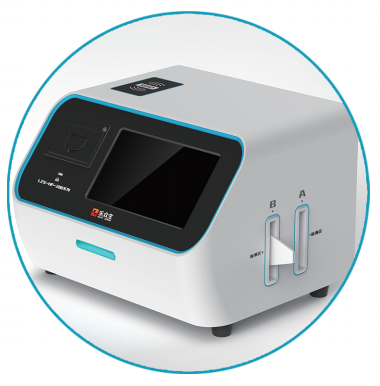
h pylori breath test kit
Contact
Contacts: Jenny Pan
Address: Liandong U-Valley Medical and Health Industry Park, Hefei City, Anhui Province


