


The Crucial Role of Helicobacter Pylori Detection in Chronic Disease Management
The Crucial Role of Helicobacter Pylori Detection in Chronic Disease Management
Understanding Helicobacter Pylori: An Overview
Helicobacter Pylori (H. pylori) is a gram-negative bacterium that colonizes the stomach lining and is a significant contributor to various gastrointestinal diseases. Identifying this pathogen is crucial in managing chronic conditions, particularly as it can lead to peptic ulcers and is linked to gastric cancer.
Chronic infection with H. pylori often goes unnoticed, as many individuals remain asymptomatic. However, understanding the role that this bacterium plays in chronic disease management can lead to more effective treatment protocols and improve patient outcomes.

Why H. Pylori Detection is Important for Chronic Disease Management
The detection of H. pylori is essential for several reasons:
1. Link to Peptic Ulcer Disease
Peptic ulcers can cause significant discomfort and complications if untreated. By diagnosing H. pylori infections early, healthcare providers can implement appropriate antibiotic therapies, resulting in faster healing and reduced recurrence rates.
2. Association with Gastric Cancer
Studies have suggested that chronic H. pylori infection may increase the risk of developing gastric cancer. Early detection and eradication of the bacteria can significantly reduce this risk, making it vital for long-term health monitoring.
3. Impact on Chronic Gastritis
Chronic gastritis, characterized by inflammation of the stomach lining, can be exacerbated by H. pylori. Detecting and treating the infection can alleviate symptoms and improve the quality of life for patients suffering from this condition.
Methods of Helicobacter Pylori Detection
Several diagnostic methods exist to detect H. pylori, each with its advantages and limitations.
1. Non-Invasive Testing
Non-invasive tests, including breath tests and stool antigen tests, are commonly used for initial screening. These methods are patient-friendly and can yield quick results.
Breath Tests
Urea breath tests are particularly effective in detecting active infections by measuring specific gases produced by H. pylori.
Stool Antigen Tests
These tests detect H. pylori proteins in stool samples, providing a reliable indication of infection.
2. Invasive Testing
When non-invasive tests are inconclusive, invasive methods such as endoscopy may be employed. This procedure allows for direct visualization of the stomach lining and biopsy collection for laboratory analysis.
Endoscopic Biopsy
Biopsy samples can be tested histologically or via culture to confirm the presence of H. pylori, providing a definitive diagnosis.
Advancements in H. Pylori Detection Technology
Recent technological advancements have significantly enhanced the accuracy and efficiency of H. pylori detection.
1. Molecular Techniques
Molecular diagnostics, such as PCR (polymerase chain reaction), enable rapid and precise identification of H. pylori DNA, even from low-quality samples.
2. Point-of-Care Testing
Emerging point-of-care testing devices allow for immediate results in clinical settings, facilitating prompt decision-making in treatment.
Effective Treatment Options for H. Pylori Infection
Once diagnosed, treatment for H. pylori typically involves a combination of antibiotics and acid-reducing medications, commonly referred to as triple therapy.
1. Antibiotic Therapy
The choice of antibiotics can vary based on local resistance patterns. Commonly prescribed antibiotics include amoxicillin, clarithromycin, and metronidazole.
2. Proton Pump Inhibitors (PPIs)
PPIs, such as omeprazole and lansoprazole, reduce gastric acid production, creating a less acidic environment that enhances antibiotic efficacy.
Monitoring and Follow-Up After Treatment
Post-treatment follow-up is essential to ensure eradication of H. pylori and prevent recurrence.
1. Confirmation Testing
Four to eight weeks after completion of therapy, follow-up testing via breath or stool antigen tests is recommended to confirm successful eradication.
2. Managing Recurrence
If H. pylori is not eradicated, a second-line treatment may be necessary, often utilizing different antibiotic combinations or longer treatment durations.
The Role of Healthcare Providers in Chronic Disease Management
Healthcare providers play a pivotal role in H. pylori detection and chronic disease management.
1. Patient Education
Educating patients about the importance of H. pylori testing, symptoms to watch for, and the potential long-term health implications is vital for proactive healthcare.
2. Implementation of Screening Programs
Regular screening programs can help identify at-risk populations, particularly those with a family history of gastric disease or other related risk factors.
Future Directions in H. Pylori Research
Ongoing research into H. pylori continues to uncover its complexities and potential links to various chronic diseases.
1. Exploration of Novel Antibiotics
As antibiotic resistance becomes an increasing concern, research is focused on discovering new antimicrobial agents that can effectively target H. pylori.
2. Understanding H. Pylori’s Role Beyond the Stomach
Emerging studies are investigating the broader impacts of H. pylori on systemic health, including its potential influence on metabolic disorders and autoimmune diseases.
FAQs About Helicobacter Pylori and Chronic Disease Management
1. What are the symptoms of H. pylori infection?
Symptoms can include abdominal pain, bloating, nausea, and in some cases, gastrointestinal bleeding.
2. How common is H. pylori infection?
It is estimated that over half of the world's population is infected with H. pylori, making it one of the most prevalent bacterial infections globally.
3. Can H. pylori infections be asymptomatic?
Yes, many individuals may carry H. pylori without experiencing any symptoms, which underscores the importance of routine screening.
4. How long does treatment for H. pylori typically last?
Treatment usually lasts 10 to 14 days, depending on the specific regimen prescribed.
5. Is it possible to get reinfected with H. pylori after treatment?
Yes, reinfection can occur, particularly in areas with poor sanitation and hygiene practices.
Conclusion
The detection of Helicobacter Pylori plays a critical role in the management of chronic diseases, particularly those related to gastrointestinal health. By understanding the importance of accurate diagnosis and effective treatment strategies, healthcare providers can significantly improve patient outcomes. As we continue to advance in the fields of medical technology and research, the potential for better management of H. pylori-related conditions remains promising, contributing to improved overall health and well-being.
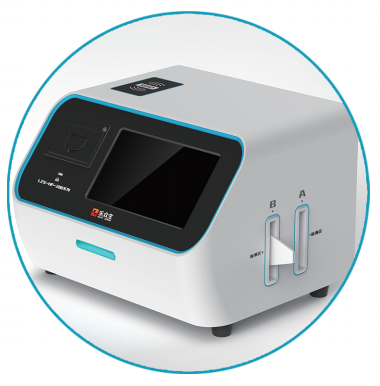
Helicobacter Pylori Detector
Contact
Contacts: Jenny Pan
Address: Liandong U-Valley Medical and Health Industry Park, Hefei City, Anhui Province


