


How FDA Surgical Staplers Are Revolutionizing Surgical Outcomes
How FDA Surgical Staplers Are Revolutionizing Surgical Outcomes
Table of Contents
Introduction to Surgical Staplers and Their Importance
Understanding FDA Surgical Staplers: A Deep Dive
The Historical Evolution of Surgical Staplers
Design and Technology Behind FDA Surgical Staplers
Impact on Surgical Outcomes: Efficiency and Effectiveness
Current Applications of FDA Surgical Staplers
How FDA Surgical Staplers Are Revolutionizing Surgical Outcomes
Table of Contents
- Introduction to Surgical Staplers and Their Importance
- Understanding FDA Surgical Staplers: A Deep Dive
- The Historical Evolution of Surgical Staplers
- Design and Technology Behind FDA Surgical Staplers
- Impact on Surgical Outcomes: Efficiency and Effectiveness
- Current Applications of FDA Surgical Staplers in Various Surgeries
- Future Trends in Surgical Stapler Technology
- Challenges and Considerations in the Use of Surgical Staplers
- Conclusion
- FAQs About FDA Surgical Staplers
Introduction to Surgical Staplers and Their Importance
Surgical staplers have fundamentally changed the landscape of surgical procedures. They provide a robust alternative to traditional sutures, offering surgeons enhanced precision and reliability. As surgical techniques continue to evolve, the role of FDA-approved surgical staplers becomes increasingly central to improving patient outcomes. This article explores the revolutionary advancements in surgical stapler technology, their applications in modern medicine, and the impact they have on surgical outcomes.
Understanding FDA Surgical Staplers: A Deep Dive
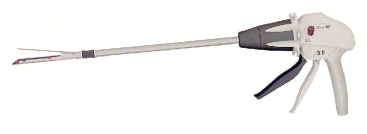
FDA surgical staplers are specialized medical devices designed to close wounds or surgical incisions. Unlike traditional suturing methods, which require intricate manual stitching, these staplers deploy rows of metal staples to secure tissue together.
Types of Surgical Staplers
There are several types of surgical staplers available, each tailored for specific surgical needs:
1. **Linear Staplers**: Used for cutting and stapling tissue simultaneously, ideal for procedures like bowel resections.
2. **Circular Staplers**: Designed for creating circular staples, commonly used in anastomosis during gastrointestinal surgeries.
3. **Endoscopic Staplers**: These are smaller and used in minimally invasive surgeries, allowing surgeons to operate with precision through small incisions.
Regulatory Approval and Safety
The FDA's stringent approval process ensures that surgical staplers meet high safety and efficacy standards. Manufacturers must conduct rigorous testing to demonstrate that their devices can reliably perform the intended tasks without compromising patient safety.
The Historical Evolution of Surgical Staplers
The journey of surgical staplers began in the early 20th century. The first mechanical stapler was developed in 1908 by surgeon and inventor Dr. A. J. F. L. C. L. de Amore. Since then, advancements in materials, design, and technology have significantly improved their functionality.
Milestones in Surgical Stapler Development
- **1940s**: Introduction of the first automatic stapler, which reduced the time required for closure.
- **1970s**: The advent of disposable staplers, enhancing safety and minimizing the risk of infection.
- **2000s**: The emergence of advanced linear and circular staplers with integrated cutting mechanisms, allowing for more efficient procedures.
Design and Technology Behind FDA Surgical Staplers
Modern FDA surgical staplers are a marvel of engineering, designed to optimize performance while ensuring patient safety.
Material Composition
Staplers are typically made from stainless steel or other biocompatible materials that minimize the risk of adverse reactions. The staples themselves are often coated with substances that promote healing and reduce tissue irritation.
Technological Advancements
Recent innovations have led to the integration of features such as:
- **Smart Sensors**: These systems can detect tissue thickness and adjust stapling pressure accordingly, ensuring optimal closure.
- **Ergonomic Designs**: Enhanced grip and control allow surgeons to operate with greater precision, reducing the risk of complications.
- **Visualization Technology**: Some staplers are equipped with cameras or scopes, providing real-time feedback to surgeons during procedures.
Impact on Surgical Outcomes: Efficiency and Effectiveness
The implementation of FDA surgical staplers has led to significant improvements in surgical outcomes, including:
Reduced Surgery Time
By streamlining the closure process, surgical staplers significantly decrease the time needed for surgeries. Faster procedures lead to lower anesthesia exposure and reduced risk of complications.
Improved Healing and Recovery
Patients experience faster healing times as staplers provide secure closures that promote tissue integrity. This leads to reduced post-operative complications such as infections and dehiscence.
Enhanced Precision
The accuracy of staplers minimizes the risk of tissue damage during closure, which can be crucial in delicate surgeries. This precision contributes to overall better surgical outcomes and patient satisfaction.
Current Applications of FDA Surgical Staplers in Various Surgeries
FDA surgical staplers are utilized across a wide range of surgical disciplines.
Gastrointestinal Surgery
In gastrointestinal surgeries, surgical staplers facilitate tasks such as anastomosis, resections, and bariatric procedures, enhancing precision and efficiency.
Cardiac Surgery
Cardiac surgeons use staplers to close incisions in a minimally invasive manner, improving recovery times and reducing the risk of complications.
Orthopedic Surgery
In orthopedic procedures, staplers are employed to secure tissue and expedite closures, ensuring patients can begin rehabilitation sooner.
Future Trends in Surgical Stapler Technology
As technology continues to evolve, so too will the capabilities of surgical staplers.
Integration of Robotics
The integration of robotic assistance in surgeries is on the rise. Future surgical staplers may incorporate robotic technology for enhanced precision and minimal intrusive procedures.
Personalized Stapling Solutions
Innovations in biomaterials may enable the development of personalized stapling solutions tailored to individual patient needs, further improving surgical outcomes.
Challenges and Considerations in the Use of Surgical Staplers
Despite their advantages, surgical staplers are not without challenges.
Potential Complications
Surgeons must be aware of the potential complications associated with stapler use, including staple misfiring, retained staples, and inadequate closure.
Training and Proficiency
Proper training is crucial for surgeons to effectively use surgical staplers. Continuous education and hands-on practice are essential to minimize risks and maximize benefits.
Conclusion
FDA surgical staplers represent a significant advancement in surgical technology, revolutionizing how procedures are performed and enhancing patient outcomes. Their ability to provide secure, efficient, and precise closures has made them indispensable in modern medicine. As we look to the future, continued innovation in this field will likely lead to even more sophisticated devices, further improving the quality of surgical care.
FAQs About FDA Surgical Staplers
What are FDA surgical staplers used for?
FDA surgical staplers are used to secure tissues and close incisions during surgical procedures, providing an effective alternative to traditional sutures.
How do surgical staplers improve surgical outcomes?
They enhance surgical efficiency, reduce operation time, and promote faster healing, thereby improving overall patient outcomes.
Are there different types of surgical staplers?
Yes, there are several types, including linear, circular, and endoscopic staplers, each designed for specific surgical applications.
What safety measures are in place for surgical staplers?
The FDA requires extensive testing and validation for surgical staplers, ensuring they meet safety and effectiveness standards before being approved for use.
What should surgeons consider when using surgical staplers?
Surgeons must consider the potential for complications, the need for proper training, and the specific requirements of each surgical procedure when using staplers.
fda surgical staplers

Contact
Contacts: Jenny Pan
Address: Liandong U-Valley Medical and Health Industry Park, Hefei City, Anhui Province


