


Revolutionizing Diagnosis: The Role of Helicobacter Pylori Detectors in Gastrointestinal Health
Helicobacter pylori (H. pylori) is a Gram-negative bacterium primarily found in the stomach, known to cause chronic gastritis, peptic ulcers, and is linked to gastric cancer. Accurate detection of this pathogen is vital for effective treatment and prevention of associated diseases. The Helicobacter Pylori Detector employs various techniques to achieve high specificity and sensitivity in its readin
Helicobacter pylori (H. pylori) is a Gram-negative bacterium primarily found in the stomach, known to cause chronic gastritis, peptic ulcers, and is linked to gastric cancer. Accurate detection of this pathogen is vital for effective treatment and prevention of associated diseases. The Helicobacter Pylori Detector employs various techniques to achieve high specificity and sensitivity in its readings, making it an invaluable asset in the clinical setting.
The most common methods for H. pylori detection include non-invasive techniques such as breath tests, serological tests, and stool antigen tests, as well as invasive methods like endoscopy with biopsy. Each of these approaches has its advantages and limitations. The Helicobacter Pylori Detector enhances the speed and accuracy of these tests, allowing healthcare professionals to make informed decisions regarding patient treatment plans.
One notable advancement in H. pylori detection technology is the use of molecular techniques, including polymerase chain reaction (PCR) and real-time PCR. These methods allow for the rapid and reliable identification of H. pylori DNA in gastric samples. The Helicobacter Pylori Detector utilizing these techniques provides improved reliability over traditional methods, significantly reducing the time required to obtain results. This rapid turnaround is essential in clinical practice, where timely decision-making can drastically improve patient outcomes.
In addition to molecular methods, new optical technologies are integrating with traditional diagnostic practices. For instance, endoscopic imaging combined with spectroscopy can potentially identify H. pylori presence during routine examinations. These innovative approaches not only minimize discomfort for patients but also enhance the physician's ability to diagnose and monitor gastrointestinal conditions effectively.
Training and professional development for healthcare providers on the use and interpretation of Helicobacter Pylori Detector results are essential. As technology continues to evolve, it becomes increasingly important for clinicians to stay updated on the latest advancements in diagnostic tools. This knowledge enables them to utilize these detectors fully to address patient needs and improve health outcomes.
In conclusion, the Helicobacter Pylori Detector is transforming the landscape of gastrointestinal diagnostics. With advancements in molecular techniques, optical technologies, and the continuous development of non-invasive testing methods, these devices offer significant benefits to both clinicians and patients. A deeper understanding of H. pylori detection can enhance diagnostic accuracy, leading to timely and effective treatment strategies, ultimately improving gastrointestinal health for countless individuals.
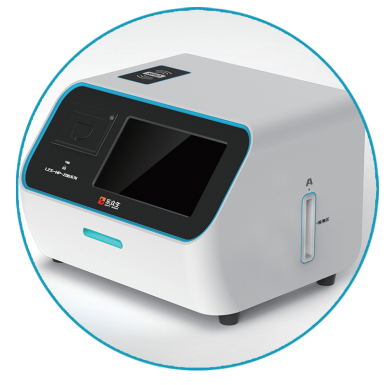
Helicobacter Pylori Detector
Contact
Contacts: Jenny Pan
Address: Liandong U-Valley Medical and Health Industry Park, Hefei City, Anhui Province


