


Key Factors to Consider When Selecting FDA Surgical Staplers
Key Factors to Consider When Selecting FDA Surgical Staplers
Understanding FDA Surgical Staplers
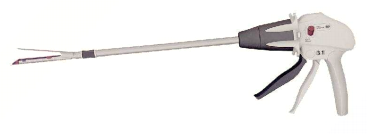
Surgical staplers play a critical role in modern surgical procedures. They provide a reliable method for joining tissues and organs together, ensuring effective healing and recovery. Selecting the right FDA surgical stapler requires a nuanced understanding of the types available, their functionalities,
Key Factors to Consider When Selecting FDA Surgical Staplers
Understanding FDA Surgical Staplers
Surgical staplers play a critical role in modern surgical procedures. They provide a reliable method for joining tissues and organs together, ensuring effective healing and recovery. Selecting the right FDA surgical stapler requires a nuanced understanding of the types available, their functionalities, and the specific needs of your surgical practice.
1. Types of Surgical Staplers: An Overview
Understanding the different types of surgical staplers is essential for making an informed decision. The two primary categories are linear and circular staplers.
1.1 Linear Staplers
Linear staplers are designed for straight-line closures and are typically used in gastrointestinal, thoracic, and other types of surgical procedures. They offer precise control over the staple placement and are often adjustable.
1.2 Circular Staplers
Circular staplers are ideal for creating anastomoses, such as in bowel surgeries. They allow for a continuous suture line, making them suitable for end-to-end or end-to-side connections.
1.3 Specialty Staplers
Some surgical procedures may require specialty staplers designed for specific tasks, such as vascular or orthopedic surgeries. Understanding the unique features of these staplers can greatly enhance surgical performance.
2. FDA Approval: Why It Matters
Selecting FDA-approved surgical staplers is non-negotiable for ensuring patient safety and product reliability. FDA approval indicates that the device has undergone rigorous testing for safety and effectiveness.
2.1 Path to FDA Approval
The FDA evaluates surgical staplers through clinical trials and a thorough review process. This ensures that only the safest and most effective products reach the market.
2.2 Compliance and Regulations
It’s crucial to select staplers that comply with FDA regulations to ensure they meet the necessary standards for performance and safety.
3. Key Features to Look For
When choosing an FDA surgical stapler, certain features can make a significant difference in surgical outcomes.
3.1 Ergonomics and Design
A well-designed surgical stapler should be comfortable to hold and easy to maneuver. Ergonomic designs can reduce hand fatigue, allowing for better control during procedures.
3.2 Staple Size and Type
Different surgical procedures may require various staple sizes and types. Assessing the appropriateness of staple size for the tissue being joined is vital for ensuring optimal healing.
3.3 Reloadable Versus Disposable
Reloadable staplers can be more economical in the long run but may require more maintenance. Disposable staplers provide convenience and eliminate the risk of cross-contamination.
4. Evaluating Performance Metrics
Performance metrics are crucial for gauging the effectiveness of surgical staplers.
4.1 Staple Line Integrity
Evaluating the staple line integrity ensures that the stapler provides a secure closure. The strength of the staple line directly impacts patient recovery and reduces the risk of complications.
4.2 Ease of Use
Surgical staplers should be intuitive and easy to use, facilitating a smooth and efficient surgical workflow. Training and familiarity can also play a role in the user experience.
5. Cost Considerations
While cost shouldn’t be the sole deciding factor, it’s essential to consider the budget constraints of your surgical practice.
5.1 Initial Investment Versus Long-Term Costs
Evaluate the initial investment in surgical staplers along with the long-term costs, including reloading options and potential wastage of materials.
5.2 Value for Money
Assess whether the features and performance of a stapler justify its cost. Investing in high-quality devices can lead to better patient outcomes and overall value.
6. Recommendations from Peers and Experts
Gaining insights from fellow surgeons and medical professionals can provide valuable recommendations on the best surgical staplers in the market.
6.1 Product Reviews and Ratings
Look for product reviews that highlight user experiences with specific surgical staplers. High ratings can reflect reliability and effectiveness in surgical applications.
6.2 Professional Organizations
Engagement with professional surgical organizations can provide additional resources and recommendations regarding the latest FDA-approved staplers.
7. Training and Support
A thorough understanding of how to use surgical staplers is vital for achieving optimal results.
7.1 Manufacturer Training Programs
Many manufacturers offer training programs to ensure that surgical staff are well-prepared to use their products effectively. Taking advantage of these programs can enhance surgical performance.
7.2 Ongoing Support and Resources
Continuous support from manufacturers ensures that surgical teams remain informed about product updates and best practices.
8. Conclusion: Making an Informed Choice
Selecting the right FDA surgical stapler involves careful consideration of numerous factors, including the type of stapler, FDA approval, key features, and cost implications. By understanding the nuances of each product and leveraging insights from peers and manufacturers, surgical teams can ensure they make informed choices that enhance patient safety and surgical outcomes.
FAQs
1. What is the difference between linear and circular surgical staplers?
Linear staplers are used for straight-line closures, while circular staplers create continuous suture lines for anastomoses in procedures like bowel surgeries.
2. Why is FDA approval important for surgical staplers?
FDA approval ensures that surgical staplers have undergone rigorous testing for safety and effectiveness, providing confidence in their use during surgical procedures.
3. Are disposable surgical staplers better than reloadable ones?
Disposable staplers offer convenience and reduce the risk of cross-contamination, while reloadable staplers can be more economical in the long term. The choice depends on the surgical context and preferences.
4. How can I evaluate the performance of a surgical stapler?
Performance can be assessed by analyzing staple line integrity, ease of use, and feedback from surgical staff who have used the stapler in procedures.
5. What training is necessary for using surgical staplers effectively?
Manufacturers often provide training programs to ensure surgical staff are proficient in using their products. Continuous education and practice are essential for maintaining skills.
In summary, selecting the right FDA surgical stapler is a multifaceted decision that requires careful evaluation of various factors. By considering the types of staplers available, understanding their FDA approval process, and assessing key features, surgical professionals can choose tools that enhance the safety and effectiveness of their procedures.
fda surgical staplers

Contact
Contacts: Jenny Pan
Address: Liandong U-Valley Medical and Health Industry Park, Hefei City, Anhui Province


