


Laparoscopic Linear Staplers: Pioneering the Future of Surgical Innovation
Laparoscopic Linear Staplers: A Key Component in Surgical Innovation
Table of Contents
1. Introduction to Laparoscopic Linear Staplers
2. Importance of Laparoscopic Linear Staplers in Modern Surgery
3. Design and Functionality of Laparoscopic Linear Staplers
3.1 Key Components of Laparoscopic Linear Staplers
3.2 Mechanism of Action
4. Adva
Laparoscopic Linear Staplers: A Key Component in Surgical Innovation
Table of Contents
- 1. Introduction to Laparoscopic Linear Staplers
- 2. Importance of Laparoscopic Linear Staplers in Modern Surgery
- 3. Design and Functionality of Laparoscopic Linear Staplers
- 4. Advantages of Using Laparoscopic Linear Staplers
- 5. Applications of Laparoscopic Linear Staplers in Surgery
- 6. The Future of Laparoscopic Linear Staplers
- 7. FAQs About Laparoscopic Linear Staplers
- 8. Conclusion
1. Introduction to Laparoscopic Linear Staplers
In recent years, the evolution of surgical tools has significantly enhanced the capabilities of surgeons, particularly in minimally invasive procedures. **Laparoscopic linear staplers** have emerged as a critical innovation in surgical technology, streamlining various surgical techniques. These devices are designed to facilitate precise tissue approximation and secure closure during laparoscopic surgeries, ultimately leading to improved patient outcomes.
2. Importance of Laparoscopic Linear Staplers in Modern Surgery
The significance of laparoscopic linear staplers in contemporary surgery cannot be overstated. By providing a reliable method for tissue closure, these devices reduce surgical complications and promote faster recovery. The implementation of laparoscopic techniques has shifted the paradigm of surgical interventions, allowing for less invasive approaches that minimize patient trauma.
3. Design and Functionality of Laparoscopic Linear Staplers
Understanding the design and functionality of laparoscopic linear staplers is crucial for appreciating their role in surgical innovation.
3.1 Key Components of Laparoscopic Linear Staplers
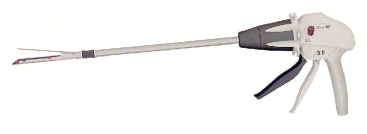
Laparoscopic linear staplers consist of several key components that contribute to their effectiveness. These include:
- **Staple Cartridge:** Holds the staples and determines the staple size and configuration suitable for various tissues.
- **Anvil:** A curved surface that helps in the formation of the staple during firing.
- **Handle Mechanism:** Enables the surgeon to control the firing action precisely.
- **Delivery System:** Facilitates the introduction of the stapler through small incisions in the abdomen.
3.2 Mechanism of Action
The mechanism of action for laparoscopic linear staplers involves a coordinated process where the device is positioned to approximate the tissue edges. Upon activation, the handle mechanism triggers the staple cartridge to deploy staples that penetrate the tissue, forming a secure closure. This process is rapid, allowing for efficiency during surgeries.
4. Advantages of Using Laparoscopic Linear Staplers
Laparoscopic linear staplers offer numerous advantages that enhance surgical outcomes.
4.1 Enhanced Precision in Surgical Procedures
One of the primary benefits of laparoscopic linear staplers is their ability to achieve precise tissue closure. This precision minimizes the risk of complications such as leakage, which is particularly important in gastrointestinal surgeries. Surgeons can achieve consistent and reliable results, leading to better overall patient care.
4.2 Faster Recovery Times for Patients
The minimally invasive nature of procedures utilizing laparoscopic linear staplers contributes to reduced recovery times for patients. With smaller incisions and less tissue trauma, patients experience less pain and a quicker return to normal activities. This advantage not only improves patient satisfaction but also optimizes hospital resource utilization.
5. Applications of Laparoscopic Linear Staplers in Surgery
Laparoscopic linear staplers have a wide range of applications across various surgical disciplines.
5.1 Role in Gastrointestinal Surgery
In gastrointestinal surgery, laparoscopic linear staplers play a pivotal role in procedures such as resections and anastomoses. Their ability to create secure and reliable closures is essential in preventing complications like anastomotic leaks, which can lead to significant morbidity.
5.2 Use in Pulmonary Procedures
Laparoscopic linear staplers are also utilized in pulmonary surgeries, including lobectomies and wedge resections. The precision offered by these devices allows for effective tissue removal while preserving surrounding healthy structures, thereby enhancing surgical outcomes.
6. The Future of Laparoscopic Linear Staplers
The future of laparoscopic linear staplers is bright, with ongoing research and development focused on improving their design and functionality. Innovations in materials and technology will likely lead to the creation of even more advanced staplers that enhance safety and efficacy in surgical procedures. Additionally, the integration of smart technology may provide real-time feedback and analytics during surgeries, further pushing the boundaries of surgical innovation.
7. FAQs About Laparoscopic Linear Staplers
What are laparoscopic linear staplers used for?
Laparoscopic linear staplers are primarily used to secure tissue closures in minimally invasive surgeries, such as gastrointestinal and pulmonary procedures.
How do laparoscopic linear staplers work?
These devices deploy staples that penetrate tissue edges, securely closing them during surgical procedures. The firing mechanism allows for rapid and precise staple placement.
What are the benefits of using laparoscopic linear staplers?
The benefits include enhanced precision, reduced surgical complications, and faster recovery times for patients.
Are there any risks associated with laparoscopic linear staplers?
While generally safe, potential risks include staple misfiring, tissue damage, and complications related to inadequate closure.
How have laparoscopic linear staplers evolved over time?
Laparoscopic linear staplers have evolved through advancements in design, materials, and technology, improving their functionality and safety in surgical applications.
8. Conclusion
Laparoscopic linear staplers have revolutionized modern surgery by enhancing precision, reducing recovery times, and improving patient outcomes. As we look toward the future, ongoing innovations promise to further advance these essential tools, solidifying their role in the evolution of minimally invasive surgical techniques. By understanding their design, advantages, and applications, healthcare professionals can better appreciate the significance of laparoscopic linear staplers in surgical innovation. Investing in research and development will ensure that these devices continue to meet the challenges of contemporary surgery, ultimately benefiting patients and healthcare providers alike.
laparoscopic linear stapler

Contact
Contacts: Jenny Pan
Address: Liandong U-Valley Medical and Health Industry Park, Hefei City, Anhui Province


