


Why You Should Consider a Home-use Helicobacter Pylori Detector: A Comprehensive Guide
Why You Should Consider a Home-use Helicobacter Pylori Detector: A Comprehensive Guide
In recent years, the growing awareness of gastrointestinal health has led to a surge in the availability and use of home-use diagnostic devices. One such device, the home-use Helicobacter Pylori detector, is becoming increasingly popular among health-conscious consumers. Understanding the implications of Helicobacter Pylori (H. pylori) infection and how a home-use detector can empower individuals to manage their health is essential.
Table of Contents
- What is Helicobacter Pylori?
- The Importance of Early Detection
- What is a Home-use Helicobacter Pylori Detector?
- How Does a Home-use Helicobacter Pylori Detector Work?
- Benefits of Using a Home-use Helicobacter Pylori Detector
- Who Should Consider Using a Home-use Helicobacter Pylori Detector?
- Comparing Lab Testing and Home Testing
- Frequently Asked Questions
- Conclusion
What is Helicobacter Pylori?
Helicobacter Pylori is a type of bacteria that infects the stomach lining and is responsible for various gastrointestinal disorders. It is estimated that over half of the world’s population is infected with H. pylori, yet many individuals remain asymptomatic. This bacterium can lead to chronic gastritis, ulcers, and even increase the risk of stomach cancer. Understanding its impact on health is crucial in taking preventive measures.
The Importance of Early Detection
Early detection of H. pylori infection is vital for several reasons. Firstly, the presence of H. pylori is often unnoticed until serious complications arise. By identifying the infection early, individuals can seek appropriate treatment, which often includes antibiotics and proton pump inhibitors. This proactive approach can significantly reduce the risk of developing severe gastrointestinal issues, enhancing overall well-being.
What is a Home-use Helicobacter Pylori Detector?
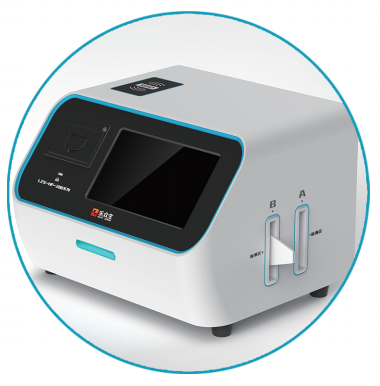
A home-use Helicobacter Pylori detector is a diagnostic tool designed for individuals to test for the presence of H. pylori from the comfort of their own homes. These devices typically utilize a simple and user-friendly testing method, providing results in a short time frame. Unlike traditional laboratory tests, home detectors offer a convenient and private option for individuals concerned about their gastrointestinal health.
How Does a Home-use Helicobacter Pylori Detector Work?
Home-use Helicobacter Pylori detectors generally operate on the principle of detecting specific antibodies or antigens associated with H. pylori in a small sample (often saliva or stool). Users follow a straightforward procedure, which usually involves:
- Collecting the Sample: The user collects a sample as per the instructions provided with the kit.
- Applying the Sample: The sample is then applied to the testing device.
- Waiting for Results: After a specified waiting period, results are displayed through various indicators (like lines or colors).
The results can be interpreted easily, allowing individuals to understand their health status without needing to visit a healthcare facility.
Benefits of Using a Home-use Helicobacter Pylori Detector
Investing in a home-use Helicobacter Pylori detector offers numerous advantages:
1. **Convenience and Comfort**
Testing at home eliminates the need for uncomfortable clinic visits. You can test whenever it suits you, ensuring comfort and privacy.
2. **Early Detection and Peace of Mind**
With quick results, individuals can promptly address any health concerns, leading to timely treatment and reduced anxiety regarding gastrointestinal health.
3. **Cost-Effective**
Home-use tests are often more affordable than laboratory tests. They provide a budget-friendly option for regular health monitoring.
4. **Empowerment through Knowledge**
Having access to your health data fosters a proactive approach to personal health management. It encourages individuals to take charge of their gastrointestinal health.
5. **No Need for Medical Professionals**
For individuals hesitant to discuss gastrointestinal issues with healthcare providers, home testing provides a discreet solution.
Who Should Consider Using a Home-use Helicobacter Pylori Detector?
Home-use Helicobacter Pylori detectors can benefit various groups, including:
1. **Individuals with Gastric Symptoms**
Those experiencing symptoms such as abdominal pain, bloating, nausea, or frequent indigestion should consider testing for H. pylori.
2. **Family History of Gastric Disorders**
Individuals with a family history of stomach ulcers or gastric cancer may want to monitor their H. pylori status regularly.
3. **Health-Conscious Individuals**
Individuals who prioritize gastrointestinal health should consider regular testing as part of their wellness routine.
4. **Travelers**
Those who travel frequently, especially to regions with high H. pylori prevalence, might benefit from periodic testing.
Comparing Lab Testing and Home Testing
When considering H. pylori detection, it's essential to understand the differences between lab testing and home testing:
1. **Accuracy**
While laboratory tests conducted by professionals are usually considered the gold standard, many home-use detectors offer reliable results for preliminary testing.
2. **Time**
Lab tests often require waiting days for results, while home tests provide immediate feedback, allowing for quicker action.
3. **Cost**
Home tests tend to be less expensive than comprehensive lab tests, making them more accessible to a broader audience.
4. **Convenience**
Home testing offers a level of convenience that lab testing cannot match, especially for those with busy schedules.
Frequently Asked Questions
1. **Are home-use Helicobacter Pylori detectors accurate?**
Most home-use detectors are designed for accuracy, but it’s essential to follow the instructions carefully for reliable results.
2. **How often should I test for H. pylori?**
It’s advisable to test if you have symptoms or if you fall into a high-risk category. Regular check-ups every few years can also be beneficial.
3. **What should I do if my home test is positive?**
If your test is positive, consult with a healthcare provider for further evaluation and treatment options.
4. **Can I use a home test if I am pregnant?**
Consult your healthcare provider before using any home testing device during pregnancy.
5. **What are the symptoms of an H. pylori infection?**
Common symptoms include abdominal pain, bloating, nausea, and excessive burping, but some individuals may remain asymptomatic.
Conclusion
In a world where proactive health management is becoming increasingly important, utilizing a home-use Helicobacter Pylori detector presents a practical solution for monitoring gastrointestinal health. These devices offer convenience, cost-effectiveness, and empowerment, allowing individuals to take charge of their well-being. With the potential risks associated with untreated H. pylori infections, early detection through home testing can lead to more effective management and better health outcomes. Embracing this technology not only enhances your knowledge of your health but also provides a pathway to a happier, healthier life.
Home-use Helicobacter Pylori Detector
Contact
Contacts: Jenny Pan
Address: Liandong U-Valley Medical and Health Industry Park, Hefei City, Anhui Province


