


Understanding Helicobacter Pylori Detectors: Innovations in Medical Diagnostics
Helicobacter pylori is a type of bacteria that can infect the stomach lining and is associated with various gastrointestinal conditions, including gastritis, peptic ulcers, and even gastric cancer. The detection of this bacterium is essential for effective treatment and management of these health issues. Helicobacter pylori detectors play a critical role in the diagnostic process, enabling healthc
Helicobacter pylori is a type of bacteria that can infect the stomach lining and is associated with various gastrointestinal conditions, including gastritis, peptic ulcers, and even gastric cancer. The detection of this bacterium is essential for effective treatment and management of these health issues. Helicobacter pylori detectors play a critical role in the diagnostic process, enabling healthcare professionals to identify infections accurately and promptly.
There are several methods for detecting H. pylori, including non-invasive tests like breath tests, stool antigen tests, and invasive endoscopy procedures that involve taking a biopsy of the stomach lining. Helicobacter pylori detectors are increasingly being integrated into diagnostic practices, allowing for quicker and more reliable results. These detectors often utilize advanced technologies, such as optical systems and imaging techniques, which enhance the accuracy of detection and minimize the risk of false positives or negatives.
One of the notable advantages of modern Helicobacter pylori detectors is their ability to provide real-time results, which can significantly expedite the decision-making process in clinical settings. This immediacy allows healthcare providers to initiate appropriate treatment plans without unnecessary delays, ultimately improving patient care and satisfaction.
Furthermore, the development of portable and user-friendly H. pylori detectors has made it easier for healthcare facilities to implement these tests in various settings, including outpatient clinics and remote locations. With a focus on enhancing accessibility, these advancements ensure that more patients can receive timely diagnostics.
In addition to aiding in the diagnosis of H. pylori infections, these detectors can also contribute to ongoing monitoring of treatment efficacy. By analyzing changes in bacterial load post-treatment, healthcare professionals can adjust therapeutic strategies as needed, ensuring the best possible outcomes for their patients.
As the medical field continues to innovate, the role of Helicobacter pylori detectors will become increasingly vital. Their integration into routine diagnostic protocols not only facilitates early intervention and tailored treatment plans but also promotes better understanding of the bacterium's impact on gastrointestinal health.
In conclusion, Helicobacter pylori detectors represent a significant advancement in the realm of medical diagnostics. With their ability to provide accurate, timely, and comprehensive results, these devices are instrumental in the fight against H. pylori-related diseases, ultimately leading to improved patient management and health outcomes. As the technology continues to evolve, it holds the promise of revolutionizing how we approach gastrointestinal diagnostics and treatment.
There are several methods for detecting H. pylori, including non-invasive tests like breath tests, stool antigen tests, and invasive endoscopy procedures that involve taking a biopsy of the stomach lining. Helicobacter pylori detectors are increasingly being integrated into diagnostic practices, allowing for quicker and more reliable results. These detectors often utilize advanced technologies, such as optical systems and imaging techniques, which enhance the accuracy of detection and minimize the risk of false positives or negatives.
One of the notable advantages of modern Helicobacter pylori detectors is their ability to provide real-time results, which can significantly expedite the decision-making process in clinical settings. This immediacy allows healthcare providers to initiate appropriate treatment plans without unnecessary delays, ultimately improving patient care and satisfaction.
Furthermore, the development of portable and user-friendly H. pylori detectors has made it easier for healthcare facilities to implement these tests in various settings, including outpatient clinics and remote locations. With a focus on enhancing accessibility, these advancements ensure that more patients can receive timely diagnostics.
In addition to aiding in the diagnosis of H. pylori infections, these detectors can also contribute to ongoing monitoring of treatment efficacy. By analyzing changes in bacterial load post-treatment, healthcare professionals can adjust therapeutic strategies as needed, ensuring the best possible outcomes for their patients.
As the medical field continues to innovate, the role of Helicobacter pylori detectors will become increasingly vital. Their integration into routine diagnostic protocols not only facilitates early intervention and tailored treatment plans but also promotes better understanding of the bacterium's impact on gastrointestinal health.
In conclusion, Helicobacter pylori detectors represent a significant advancement in the realm of medical diagnostics. With their ability to provide accurate, timely, and comprehensive results, these devices are instrumental in the fight against H. pylori-related diseases, ultimately leading to improved patient management and health outcomes. As the technology continues to evolve, it holds the promise of revolutionizing how we approach gastrointestinal diagnostics and treatment.
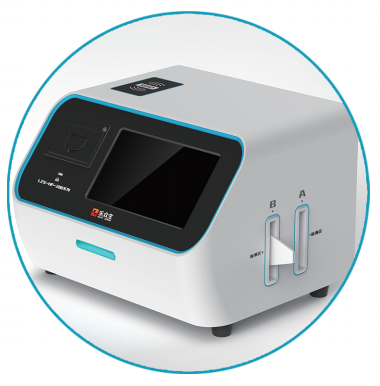
Helicobacter Pylori Detector
Contact
Contacts: Jenny Pan
Address: Liandong U-Valley Medical and Health Industry Park, Hefei City, Anhui Province


