


Understanding the Benefits and Functionality of Reusable Skin Staplers
Reusable skin staplers have emerged as essential tools in the medical field, particularly in surgical environments where efficient wound closure is paramount. Unlike traditional sutures, these staplers offer a quick and effective method for closing skin incisions or lacerations, making them increasingly popular among healthcare professionals. This article delves into the features, benefits, and op
Reusable skin staplers have emerged as essential tools in the medical field, particularly in surgical environments where efficient wound closure is paramount. Unlike traditional sutures, these staplers offer a quick and effective method for closing skin incisions or lacerations, making them increasingly popular among healthcare professionals. This article delves into the features, benefits, and operational insights associated with reusable skin staplers.
One of the primary advantages of reusable skin staplers is their efficiency. Surgeons can apply staples rapidly, significantly reducing the time spent on wound closure during surgical procedures. This efficiency is critical in emergency situations where time is a crucial factor for patient outcomes. The design of these staplers allows for easy one-handed operation, enabling surgeons to maintain focus on the patient while effectively managing the closure of the incision.
Additionally, reusable skin staplers can be cost-effective over time. While the initial investment may be higher than disposable counterparts, their durability allows for multiple uses, leading to long-term savings for healthcare facilities. The ability to sterilize and reuse these devices minimizes waste, aligning with the growing emphasis on sustainability in healthcare. Moreover, the consistent performance of reusable skin staplers ensures reliable wound closure, which is essential for minimizing the risk of complications such as infection or dehiscence.
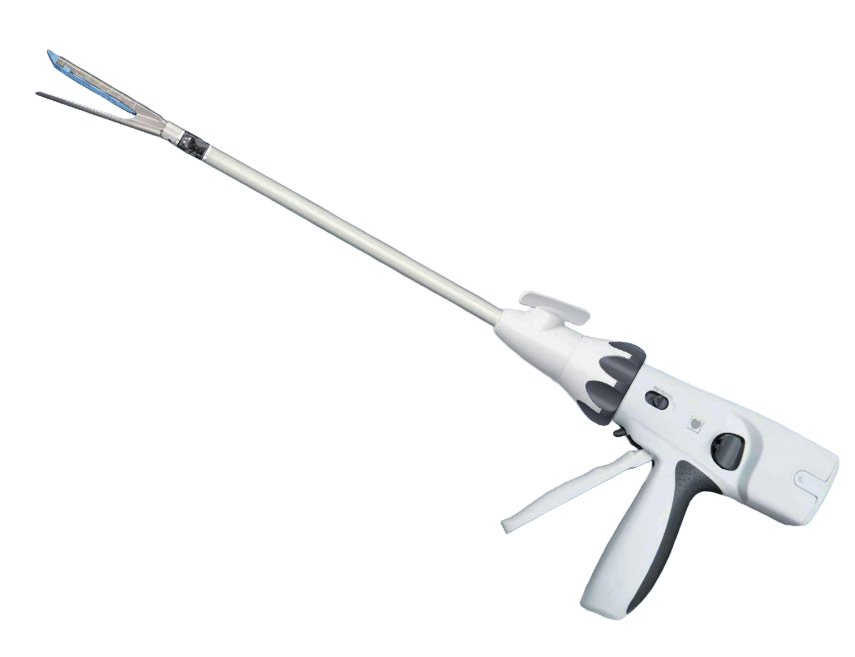
From a technical standpoint, reusable skin staplers typically feature a magazine that holds a series of stainless steel staples. The staples are deployed through a mechanism that ensures accurate placement, creating secure closures with minimal tissue trauma. This design not only facilitates a quick closure but also provides a robust hold, which is crucial for the healing process. Some models are designed to accommodate various staple sizes, allowing healthcare providers to tailor their approach based on the specific needs of the patient and the nature of the wound.
Training and proper usage of reusable skin staplers are vital for achieving optimal results. Healthcare professionals should be well-versed in the operational procedures, including how to load the staples and adjust the device for different types of wounds. Regular maintenance and proper sterilization techniques are also essential to ensure the longevity and effectiveness of these instruments.
In conclusion, reusable skin staplers represent a significant advancement in surgical wound closure technology. Their efficiency, cost-effectiveness, and reliability make them invaluable tools in the medical field. Understanding their functionality and benefits can help healthcare providers make informed decisions about their use in various surgical applications. As the medical industry continues to evolve, reusable skin staplers will likely play an increasingly important role in enhancing patient care and improving surgical outcomes.
reusable skin stapler
Contact
Contacts: Jenny Pan
Address: Liandong U-Valley Medical and Health Industry Park, Hefei City, Anhui Province


